Ancient Neanderthal DNA and Muscle Mass

scitechdaily evolutionary-biology genetics neanderthals muscle-growth

Zusammenfassung

Mindmap Titelbild
KI Generiertes Titelbild

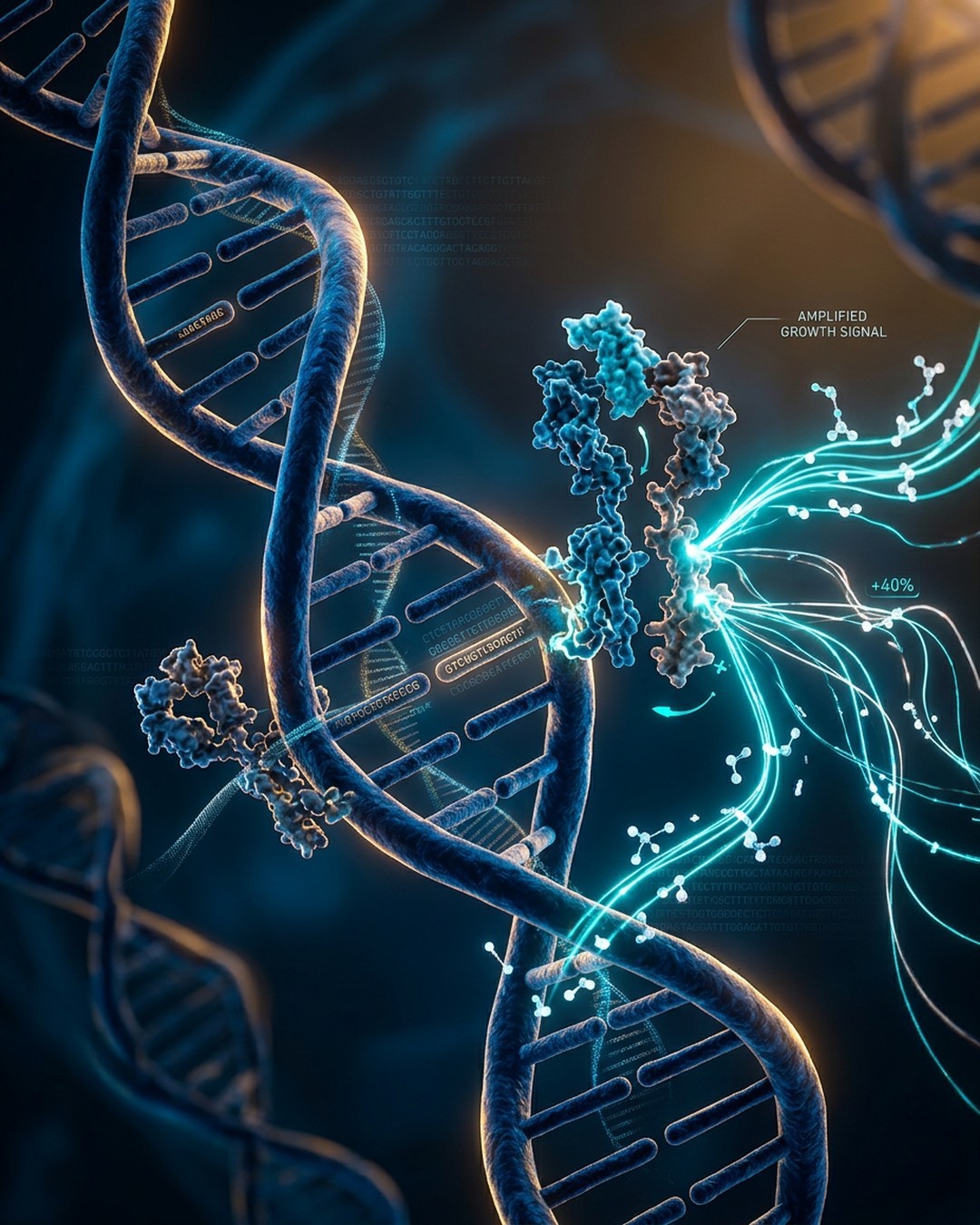
Researchers led by Hugo Zeberg of Karolinska Institutet and Philipp Kanis of the Max Planck Institute for Evolutionary Anthropology discovered that a Neanderthal-derived growth hormone receptor carried by some modern humans amplifies growth-related signals in cells by 40 percent. Published on August 13, 2026, the study reveals that interbreeding about 47,000 years ago introduced this variant into modern human gene pools, where up to 24 percent of people in certain South Asian populations and 0.5 percent of Europeans currently carry it. The authors emphasize the robust convergence of laboratory cell assays and population data from over a million individuals, demonstrating that this genetic variant correlates with an average increase of about 270 grams of muscle mass in adult carriers, along with subtle differences in skull shape and shorter tooth roots. The research highlights how specific archaic genetic traits continue to exert measurable physiological impacts on contemporary human biology without solely dictating overall physical appearance. The scientific investigation details how growth hormone produced by the pituitary gland attaches to cell surface receptors, with the Neanderthal variant containing two unique amino acid changes absent from typical modern receptors. Laboratory tests confirm that these structural alterations enhance intracellular signal transmission, leading to significantly amplified growth responses when stimulated by growth hormone. Practical applications of these findings provide deeper insights into human evolutionary genetics, pediatric endocrinology, and muscle physiology. Because the trait's effects manifest post-childhood and near puberty when growth hormone levels surge, researchers can better understand the multifactorial genetic architecture controlling human body shape, metabolic traits, and musculoskeletal development.

Schlüsselpunkte

01

🔹 Neanderthal Growth Hormone Receptor Discovery

Researchers Hugo Zeberg from Karolinska Institutet and Philipp Kanis from the Max Planck Institute for Evolutionary Anthropology examined an inherited growth hormone receptor variant originating from Neanderthals. The receptor features two specific amino acid changes absent in standard modern human receptors, entering the human gene pool through interbreeding approximately 47,000 years ago.

02

🔸 Cellular Amplification and Laboratory Findings

When tested in laboratory-grown cells, the Neanderthal receptor variant demonstrated a 40 percent stronger response to growth hormone stimulation compared to common modern human receptors. Most of this enhanced signaling capacity was directly traced to one of the two unique Neanderthal-specific structural modifications.

03

⭐ Population Frequencies and Geographic Distribution

The carrier frequency of this ancient genetic variant varies significantly across modern global populations. Up to 24 percent of individuals in certain South Asian populations carry the variant, it is notably common across East Asia, while European populations show a much lower frequency of approximately 0.5 percent.

04

📊 Physiological Impacts on Adult Body Composition

Analysis of data from over a million people revealed that adult carriers of the Neanderthal receptor possess an average of approximately 270 grams more muscle mass. Furthermore, children under age eleven showed no growth deviations, indicating that phenotypic effects emerge later in life, likely coinciding with elevated growth hormone levels around puberty.

05

💡 Skeletal Traits and Evolutionary Significance

Carriers of the inherited receptor variant also exhibit subtle cranial and dental traits reminiscent of Neanderthals, including a slightly shorter rear portion of the lower jaw and shorter tooth roots. While contributing to physical traits, researchers note this variant represents only one of numerous genetic factors influencing human body shape and stature.

Möchten Sie Ihre eigene Mindmap erstellen?

Melden Sie sich bei Neumap AI an und beginnen Sie mit der Erstellung Ihrer eigenen Mindmaps!

Loslegen