🌕 Lunar Oxygen Extraction via Plasma Technology

SciTechDaily SpaceExploration LunarRegolith SemiconductorTechnology OxygenExtraction PlasmaProcessing

Resumen

Mind Map Cover Image
Imagen de Portada Generada por IA

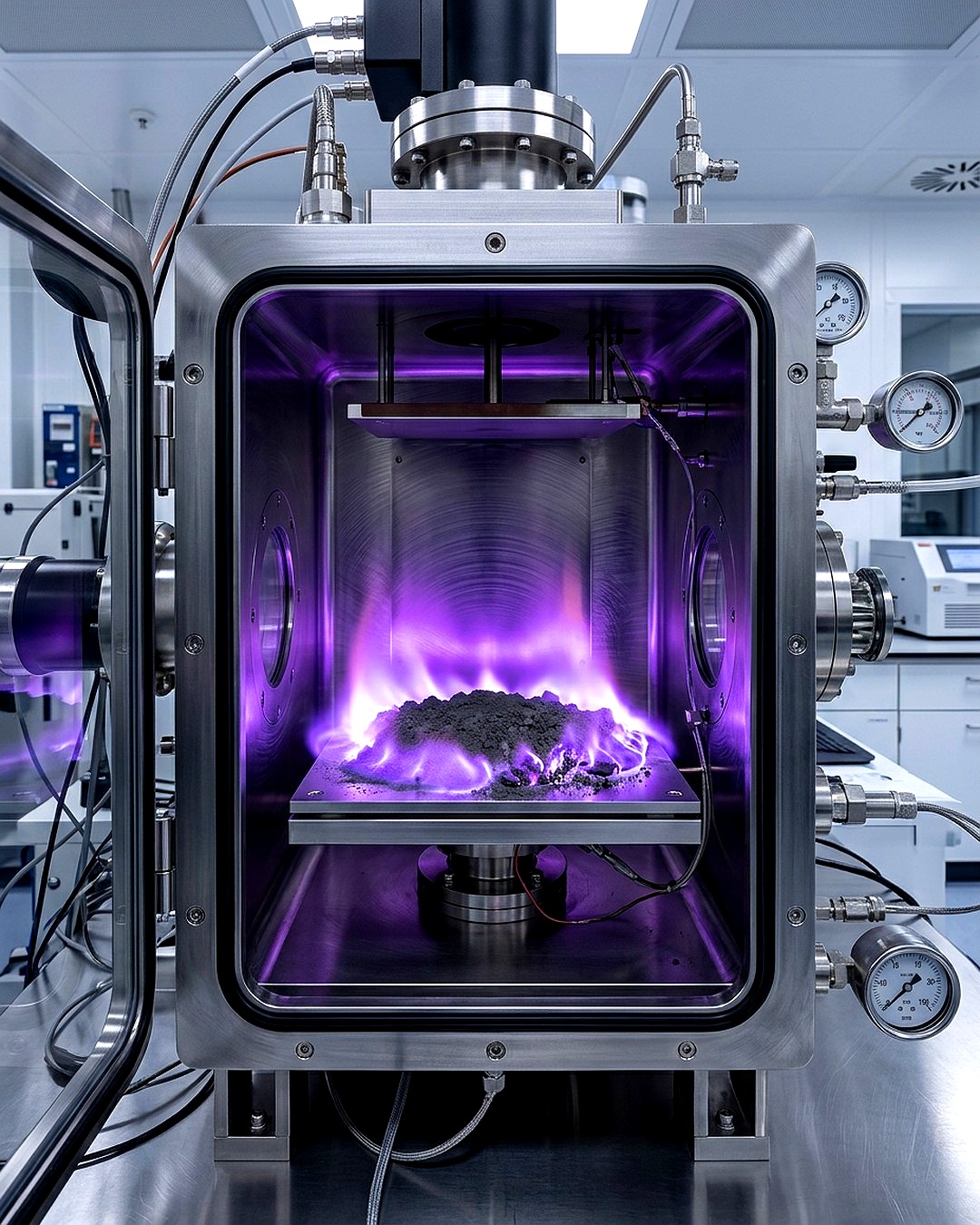
Researchers from Dublin City University and the European Space Agency have demonstrated that semiconductor manufacturing techniques can help extract oxygen from simulated lunar soil. The study, published on September 2, 2026, explores adapting low-temperature plasma processing to break strong chemical bonds in lunar minerals. Transporting oxygen from Earth for space exploration is prohibitively expensive, making in-situ resource utilization essential for future crewed lunar missions. Adapting established industrial methods allows space engineers to build on decades of existing research rather than starting from scratch. The authors argue that borrowing technology from the semiconductor industry offers a practical and energy-efficient alternative to conventional high-temperature extraction techniques. While many complex extraction methods require massive amounts of energy, lower-temperature plasma processing provides a dry alternative that avoids handling liquid reagents in space. The semiconductor sector has spent decades refining how fluorine plasmas interact with oxygen-bearing materials, providing a robust knowledge base. This continuity reduces developmental risks and leverages mature industrial systems that are already well-understood on Earth. The team exposed lunar regolith simulants to plasmas generated using common semiconductor manufacturing gases to evaluate the viability of the approach. During testing, the treatment successfully released oxygen and oxygen-containing gaseous products by chemically modifying specific oxygen-bearing minerals within the simulant. The results confirmed that certain lunar minerals react more readily with plasma than others, yielding valuable data on underlying chemical mechanisms. However, the authors note that oxygen yields must increase substantially before any practical lunar system can be deployed in the field. This research offers a foundational step toward sustainable space exploration by establishing that industrial plasma methods can mobilize trapped lunar oxygen resources. Future studies may investigate whether similar plasma-based processes can extract other useful elements like silicon, aluminum, and iron from the Moon's surface. Engineers and researchers can apply these insights by exploring cross-industry technology transfers to solve extreme space engineering challenges. Ultimately, mastering resource extraction on other worlds depends on adapting reliable terrestrial technologies to local extraterrestrial materials.

Puntos clave

01

🔹 Adapting Semiconductor Plasma Technology for Lunar Exploration

Researchers have successfully demonstrated that plasma-processing techniques widely used in semiconductor manufacturing can extract oxygen from simulated lunar soil. Computer chip manufacturing relies on plasma interacting with silicon dioxide, a process that underpins the production of billions of electronic devices annually. By asking whether similar methods could target oxygen-based compounds in lunar dust, the team bridged two completely different industrial worlds. This adaptation allows space engineers to leverage decades of existing terrestrial research instead of designing entirely new systems from scratch.

02

📊 Extracting Oxygen from Simulated Lunar Regolith

The study tested plasma treatment on artificial moon soil known as lunar regolith simulants using gases common in semiconductor fabrication. During the treatment, researchers detected the release of oxygen and oxygen-containing gaseous products as the plasma chemically modified oxygen-bearing minerals. Further analyses confirmed that certain lunar minerals react much more readily than others when exposed to the reactive plasma species. Understanding these specific reaction mechanisms is essential for enhancing overall process efficiency in future systems.

03

💡 Energy Efficiency and Practical Benefits of Plasma Processing

Plasma processing offers significant practical advantages over conventional, energy-intensive oxygen extraction methods by operating at much lower temperatures. Furthermore, plasma is a dry process that completely avoids the severe challenges associated with transporting and handling hazardous liquid reagents in space. Because the semiconductor industry has spent decades studying fluorine plasmas and oxygen-containing materials, future space missions can build directly upon an established and refined knowledge base.

04

🎯 Current Limitations and Future Research Directions

Despite the encouraging release of oxygen gas during testing, the authors emphasize that current oxygen yields are far too low for immediate practical deployment. Yields must increase substantially before any operational system can produce enough breathable air or rocket propellant on the Moon. Much more research is needed to fully understand the underlying chemistry, improve extraction rates, and determine whether the process can be scaled economically for space missions.

05

🏛️ Broader Implications for Extracting Other Lunar Resources

The implications of this research may extend well beyond providing life support oxygen for future lunar bases established on the Moon. Lunar soil contains several other useful elements, including silicon, aluminum, and iron, which could prove critical for building local infrastructure. While the current study focused specifically on oxygen-bearing reactions, future studies may explore whether plasma-based processes can contribute more broadly to utilizing other lunar resources.

¿Quieres crear tu propio mapa mental?

¡Inicia sesión en Neumap AI y comienza a crear tus propios mapas mentales!

Comenzar