Discovery of Explosive Ruptoblast Immune Cells

StanfordUniversity Immunology CellBiology PlanarianFlatworms Ruptoblasts BiomedicalResearch

Resumen

Mind Map Cover Image
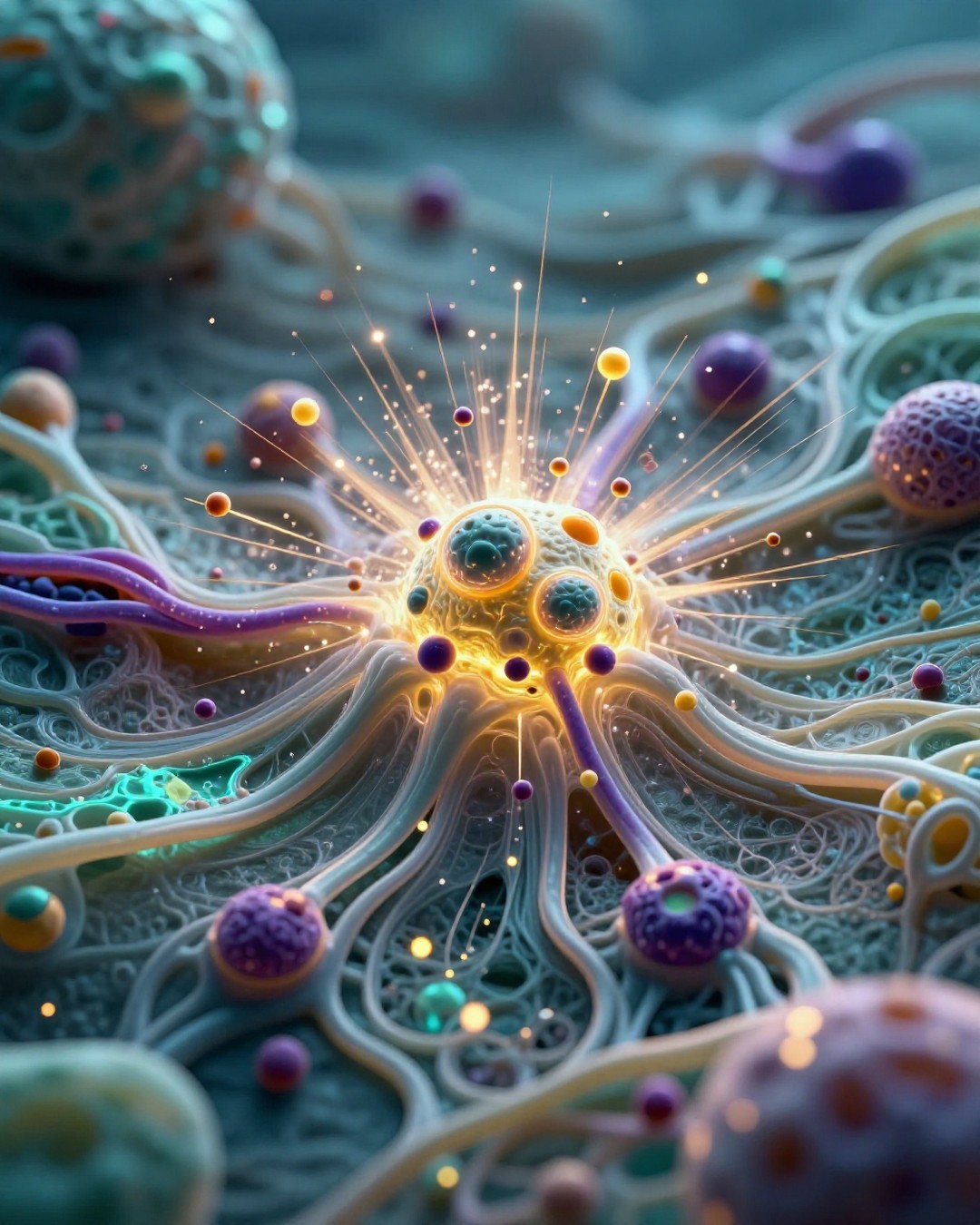
Imagen de Portada Generada por IA

Stanford University researchers have identified a novel immune cell type in planarian flatworms, termed ruptoblasts, which utilize a unique, rapid self-destructive mechanism to eliminate threats. Published on June 14, 2026, in the journal Cell, this discovery reveals an ancient, explosive defense strategy that operates on a timescale of seconds to minutes, significantly faster than known mammalian immune responses. The research team, led by Bo Wang and lead author Chew Chai, discovered that these cells are triggered by the hormone activin. Upon activation, ruptoblasts undergo a process named ruptosis, where they detonate to release toxic substances that destroy nearby targets, including bacteria and foreign cells, while leaving the surrounding tissue largely intact due to the localized nature of the blast. Unlike traditional hematopoietic immune cells found in bone marrow, ruptoblasts are glandular cells that rely on a sudden release of calcium from the endoplasmic reticulum to execute their function. This mechanism appears to be an evolutionary relic present in basal bilaterians, potentially lost in vertebrates due to their limited regenerative capacity compared to the highly regenerative planarian flatworms. This finding offers significant potential for future medical applications, particularly in developing precision therapies for bacterial infections or tumor destruction. By studying these unconventional biological strategies, scientists aim to uncover innovative approaches to complex medical challenges that traditional mammalian-focused research may have overlooked.

Puntos clave

01

🔹 Discovery of Ruptoblasts

Stanford researchers identified a new immune cell type in planarian flatworms called ruptoblasts. These cells function through a violent self-destruct sequence known as ruptosis, which destroys nearby threats within seconds to minutes. This mechanism is distinct from the slower, pore-forming cell death processes observed in mammals and bacteria.

02

🔸 The Role of Activin

The hormone activin acts as the primary trigger for the ruptoblast response. Research indicates that elevated activin levels, often associated with tissue rejection or stress, induce these cells to detonate. This hormonal surveillance system allows the flatworm to mount an extreme inflammatory response against foreign tissue or pathogens.

03

⭐ Mechanism of Ruptosis

Ruptosis is characterized by a rapid release of calcium from the endoplasmic reticulum, which facilitates the explosive discharge of toxic substances. Unlike T cells or neutrophils, ruptoblasts are glandular cells. The process is highly localized, ensuring that only the immediate vicinity of the threat is affected, preventing systemic toxicity.

04

📊 Evolutionary and Medical Implications

Ruptoblasts are found in basal bilaterians, suggesting an ancient evolutionary origin. Scientists hypothesize that vertebrates may have lost this mechanism because it requires robust regenerative capabilities to repair the resulting tissue damage. This precision-based destruction could inspire new medical therapies for targeting tumors or resistant bacterial infections.

05

💡 Research Methodology

The study, published June 14, 2026, utilized live cell microscopy and flow cytometry to analyze cell behavior. Researchers tested the efficacy of ruptoblasts against E. coli, human kidney cells, and mouse blood cells, confirming their ability to destroy diverse targets. The findings emphasize the value of studying non-conventional species to expand biological knowledge.

¿Quieres crear tu propio mapa mental?

¡Inicia sesión en Neumap AI y comienza a crear tus propios mapas mentales!

Comenzar