K-Beauty Industry Trends: Human Cadaver Skin Treatments

K-Beauty Dermatology MedicalEthics SouthKorea AestheticMedicine Bloomberg

Resumen

Mind Map Cover Image
Imagen de Portada Generada por IA

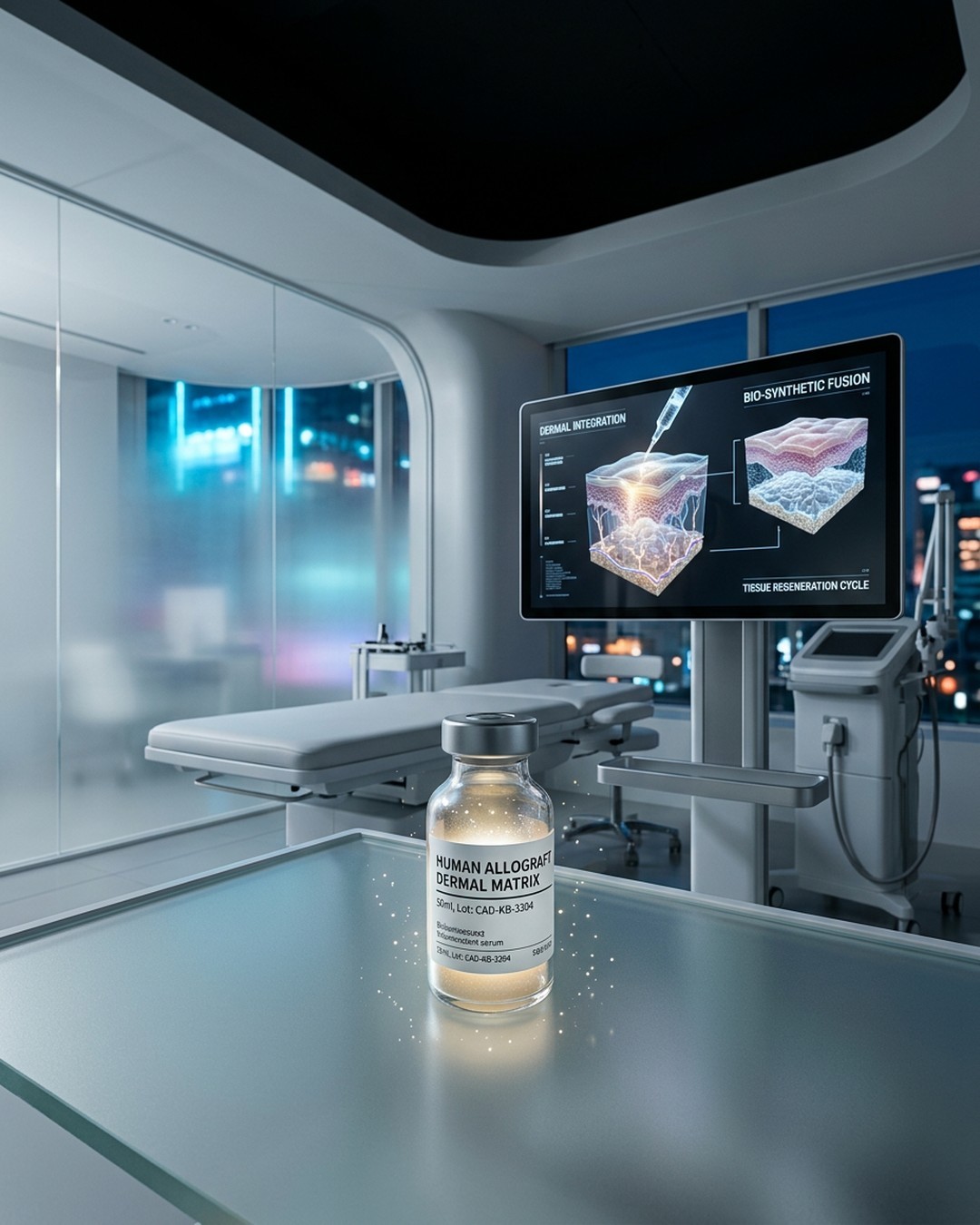
The K-beauty industry in South Korea is experiencing a controversial evolution as dermatological clinics begin offering skin treatments derived from human cadaver tissue. This emerging trend, highlighted in a July 16, 2026 report, reflects the extreme lengths to which the beauty market will go to achieve anti-aging results, moving beyond traditional synthetic or plant-based ingredients into the realm of human-derived biological materials. The author highlights the shock and ethical complexity surrounding these procedures, where patients are presented with treatments sourced from deceased individuals. This development underscores a significant shift in consumer appetite for high-efficacy, albeit ethically challenging, medical aesthetics in the competitive Seoul beauty landscape. The essence of this trend lies in the intersection of advanced regenerative medicine and cosmetic vanity. By utilizing human-derived components, clinics claim superior skin rejuvenation capabilities, though the practice raises profound questions regarding medical ethics, consent, and the commodification of human remains for aesthetic purposes. For consumers and industry observers, this serves as a critical warning regarding the lack of transparency in medical aesthetic marketing. Users should exercise extreme caution and conduct thorough due diligence before undergoing experimental procedures that involve biological materials, as the long-term health implications and ethical standards remain largely unregulated or opaque.

Puntos clave

01

🔹 Emergence of Cadaver-Derived Skin Treatments

As of July 16, 2026, South Korean dermatological clinics have begun offering skin treatments utilizing human cadaver tissue. This practice represents a radical shift in the K-beauty sector, moving from standard cosmetic ingredients to biological materials sourced from deceased individuals to promise advanced anti-aging results.

02

🔸 Ethical and Moral Implications

The use of human remains for aesthetic enhancement raises significant ethical concerns. The report highlights the shock experienced by patients when informed of the origin of these treatments, pointing to a potential disconnect between clinical marketing and the moral boundaries of medical practice.

03

⭐ The Seoul Beauty Market Landscape

Seoul remains a global epicenter for cosmetic innovation and aggressive aesthetic marketing. The willingness of clinics to introduce such extreme treatments reflects the intense competition in the market and the constant pressure to offer the next breakthrough in skin rejuvenation technology.

04

📊 Consumer Awareness and Risk

Patients are often confronted with these options during consultations, where the technical nature of the treatment is framed as a high-end medical solution. The lack of widespread public discourse on the safety and ethical sourcing of these materials poses a risk to uninformed consumers seeking cosmetic improvements.

05

💡 Regulatory and Transparency Challenges

The industry faces scrutiny regarding how these biological materials are procured, processed, and approved for cosmetic use. The transition from medical regenerative therapy to commercial beauty treatment necessitates stricter oversight to ensure patient safety and ethical compliance.

¿Quieres crear tu propio mapa mental?

¡Inicia sesión en Neumap AI y comienza a crear tus propios mapas mentales!

Comenzar