Qi601: A Postbiotic Solution for Microplastic Mitigation

microplastics biotechnology health-supplement Qi601 Quorum-Innovations postbiotics

Resumen

Mind Map Cover Image
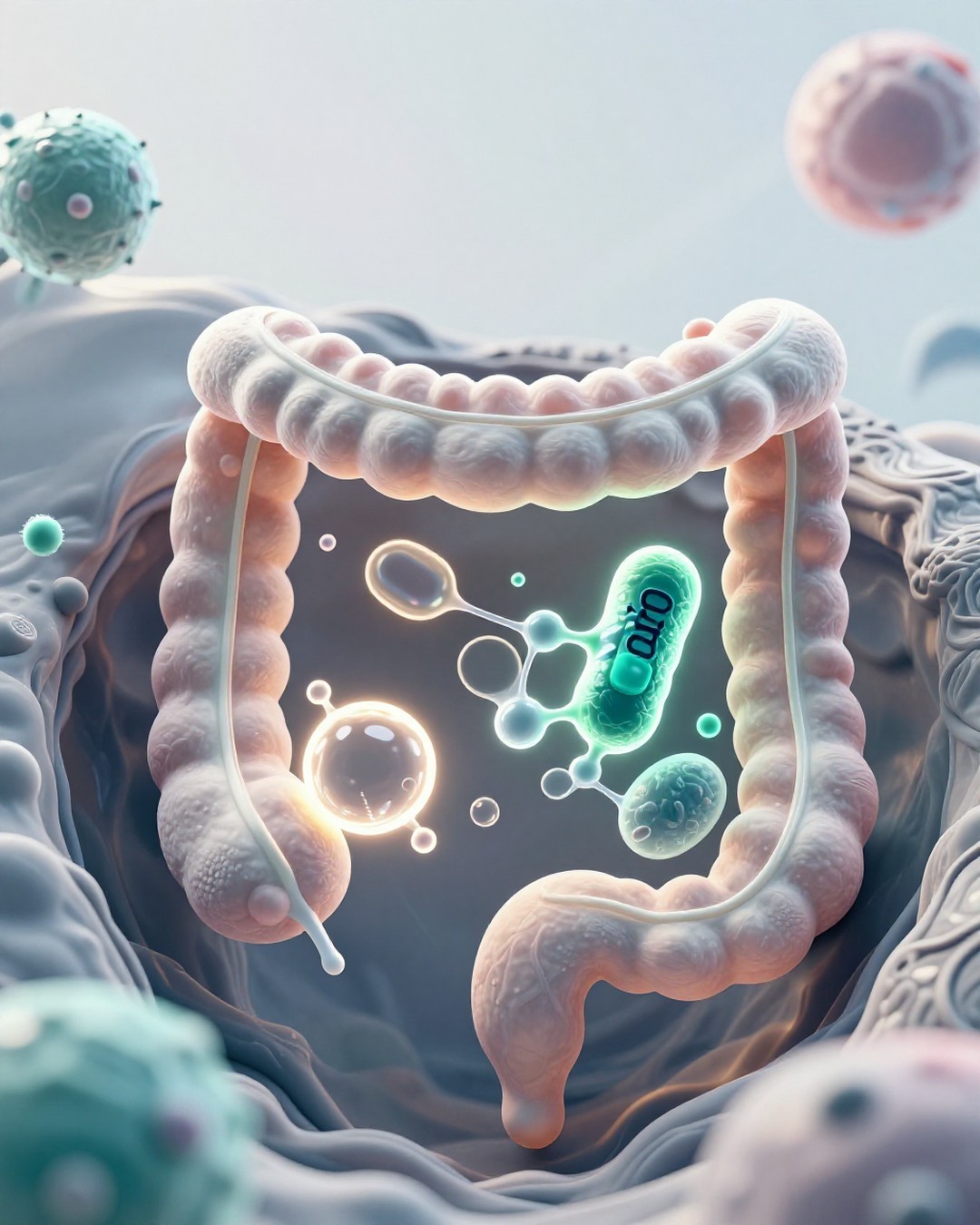
Imagen de Portada Generada por IA

A novel postbiotic supplement, Qi601, developed by Quorum Innovations, shows potential in mitigating microplastic absorption by binding to plastic particles. The supplement utilizes the rough cell walls of heat-killed Limosilactobacillus fermentum to capture microplastics, preventing their accumulation in human cells. This breakthrough offers a proactive approach to reducing the internal burden of environmental microplastics, which have been linked to cardiovascular and neurological health risks. The research team, led by Eva Berkes, demonstrated that Qi601 can bind up to 92 percent of nanoplastics in simulated digestive fluids and reduce intracellular plastic accumulation by 43 percent in laboratory settings. A human trial involving chewing gum confirmed a significant reduction in free-floating plastic particles in saliva, dropping from 2152 to 185 particles when the supplement was introduced. While these findings are promising, experts like Martin Wagner caution that the supplement does not address inhaled microplastics or the continuous nature of environmental exposure. The study serves as a foundational step in microplastic mitigation, though further research is required to confirm its efficacy in the complex environment of the human gut and its ability to facilitate the excretion of captured particles. For practical application, this supplement represents a potential tool for individuals seeking to reduce their internal microplastic load. However, it should be viewed as a complementary strategy rather than a replacement for source-reduction efforts, such as minimizing plastic consumption and exposure in daily life.

Puntos clave

01

🔹 Mechanism of Action: Qi601

Qi601 is a postbiotic supplement derived from the heat-killed bacterium Limosilactobacillus fermentum. Its effectiveness relies on the rough surface structure of the bacterial cell walls, which act as a physical trap for microplastics and nanoplastics, preventing them from being absorbed by human cells.

02

🔸 Experimental Efficacy Data

In simulated digestive environments, Qi601 bound up to 92 percent of nanoplastics. Laboratory tests on human intestinal-like cells showed a 43 percent reduction in intracellular plastic particles when the supplement was added, demonstrating its ability to capture plastics during vesicle recycling processes.

03

⭐ Human Trial Results

A human trial using commercial gum as a source of microplastics showed a dramatic reduction in free-floating particles. Saliva analysis revealed 2152 particles after chewing gum alone, which decreased to 185 particles when 10 milligrams of powdered Qi601 were introduced, proving the binding effect in a real-world scenario.

04

📊 Health Implications and Risks

Microplastics (less than 5mm) are linked to increased risks of heart attack and stroke in patients with arterial plaques. Furthermore, higher concentrations have been observed in the brains of Alzheimer's patients, though a direct causal link between microplastics and these conditions remains to be definitively proven.

05

💡 Expert Perspectives and Limitations

Martin Wagner of the Norwegian University of Science and Technology emphasizes that Qi601 does not address inhaled microplastics, which constitute a major exposure route. He argues that source reduction remains the most efficient health protection strategy, as the supplement only addresses retrospective removal rather than preventing continuous exposure.

¿Quieres crear tu propio mapa mental?

¡Inicia sesión en Neumap AI y comienza a crear tus propios mapas mentales!

Comenzar