Discovery of New Snail Species in Montenegro

scitechdaily biology new-species montenegro conservation ecology

Resumen

Mind Map Cover Image
Imagen de Portada Generada por IA

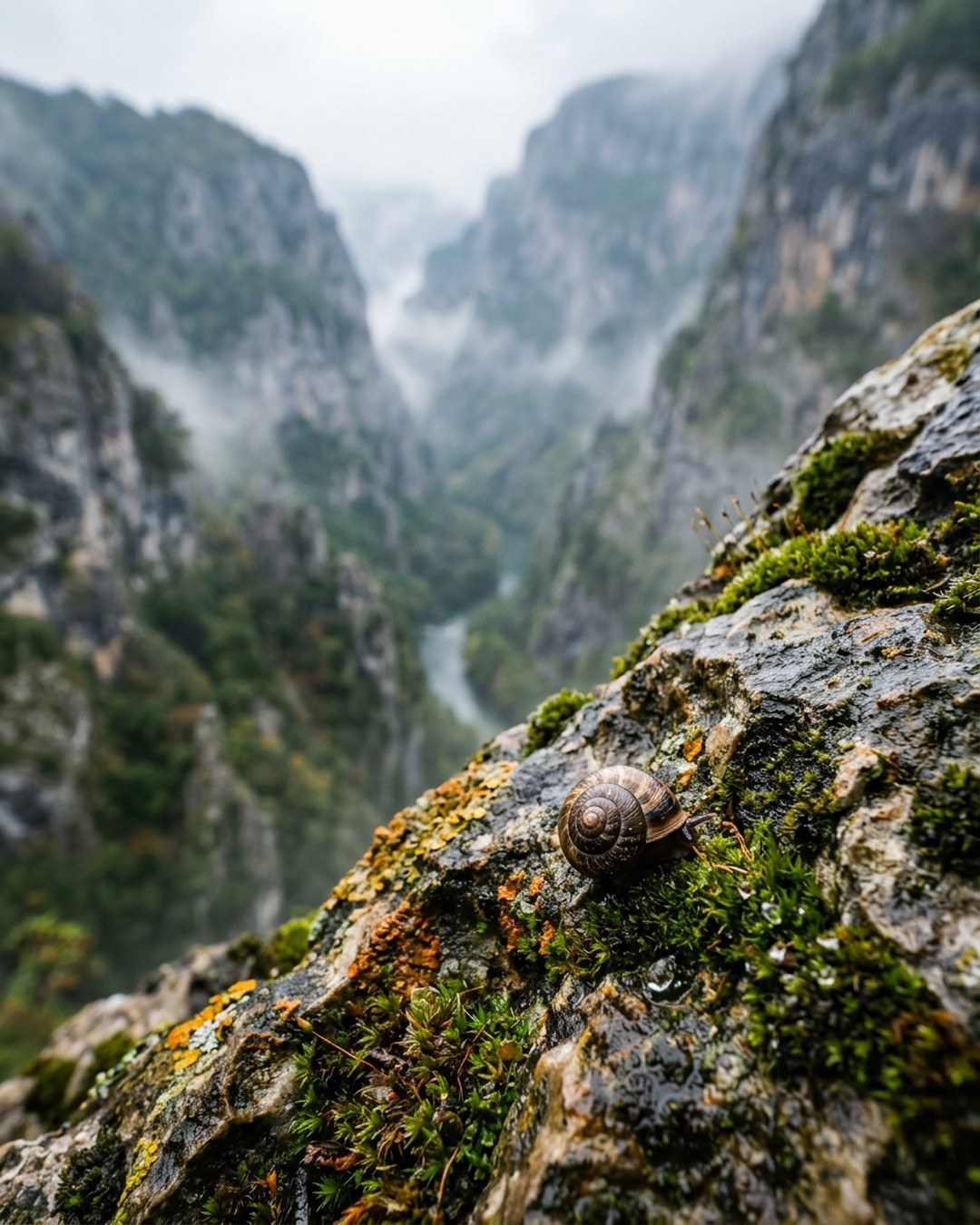
Scientists and citizen volunteers discovered two new snail species, named Cochlostoma komarnica and Cochlostoma dobrido, in the mountainous regions of northwestern Montenegro on July 27, 2026. Formally described in the open-access Biodiversity Data Journal, these cone-shaped land snails measure about 6 mm long, live on limestone rocks, feed on algae and lichens, and feature unique biological traits such as eyes on the sides of their heads and a tail disk acting like a door. The author highlights how collaborative fieldwork involving Taxon Expeditions, the Taxon Foundation, and the Montenegrin Ecologists Society successfully uncovered hidden biodiversity in Europe. The discovery emphasizes that even well-studied European regions still harbor unknown species waiting to be documented through integrated citizen science and genetic analysis. The overarching message addresses urgent conservation concerns, particularly regarding the proposed hydropower dam and reservoir project slated to flood the Komarnica Canyon. Conservationists argue that this development threatens to destroy irreplaceable ecosystems and eliminate species unknown to science before they can be thoroughly studied. Researchers and local environmental groups strongly advocate for abandoning the hydropower project and expanding the Durmitor World Heritage Site to officially protect the Komarnica Canyon. The findings serve as a powerful scientific argument that green energy initiatives must not compromise unique and fragile natural habitats.

Puntos clave

01

🔹 Discovery of New Snail Species in Montenegro

【📌 Key Finding】On July 27, 2026, scientists and citizen volunteers formally described two new snail species, Cochlostoma komarnica and Cochlostoma dobrido, in the Biodiversity Data Journal. 【🔸 Habitat & Morphology】Both species measure about 6 mm long, inhabit limestone rocks, feed on algae and lichens, and possess distinct anatomical features including side-positioned eyes and a circular tail disk sealing their shells. 【⭐ Expedition Background】The specimens were collected between 2018 and 2025 through expeditions organized by Taxon Expeditions, the Taxon Foundation, and the Montenegrin Ecologists Society.

02

🔸 Collaborative Citizen Science Methodology

【📌 Public Participation】International researchers worked directly with citizen scientists, local students, and conservationists to thoroughly document wildlife across Durmitor National Park and Komarnica Canyon. 【🔸 Verification Process】While field collections identified potential candidates, final confirmation of new species status required rigorous field laboratory dissections and genetic analyses led by experts like Menno Schilthuizen and Enrico Zallot. 【⭐ Naming Convention】Expedition participants voted at camp to name the new snails after their specific discovery locations, honoring the Dobri Do Plateau and the unprotected Komarnica Canyon.

03

⭐ Biodiversity Significance and Hidden Wildlife

【📌 Undocumented Ecosystems】Biologist Jovana Đokić from the Montenegrin Ecologists Society noted that extensive portions of Balkan biological diversity remain entirely unmapped. 【🔸 Canyons and Gorges】Rugged mountain landscapes, canyons, and gorges across Montenegro continue to harbor numerous species completely unknown to modern science. 【⭐ Scientific Value】These ongoing discoveries prove that even within densely studied European territories, remarkable hidden biodiversity awaits documentation through targeted field expeditions.

04

📊 Conservation Threats from Hydropower Development

【📌 Imminent Destruction】The scenic Komarnica Canyon faces an imminent threat of being flooded to construct a hydropower dam and reservoir. 【🔸 Environmental Impact】This planned development would completely obliterate a wild river canyon and destroy fragile ecosystems housing many undiscovered species. 【⭐ Conservation Stance】Local environmental advocates emphasize that hydropower projects destroying unique natural habitats cannot be classified as genuinely green or sustainable energy.

05

💡 Policy Recommendations and Protection Efforts

【📌 Strategic Action】The Montenegrin Ecologists Society is actively pushing for systematic biodiversity surveys to strengthen the legal and scientific case for conservation. 【🔸 UNESCO Integration】Advocates demand that Komarnica Canyon be formally integrated into the existing UNESCO World Heritage site of Durmitor. 【⭐ Permanent Cancellation】Conservationists call for the immediate and permanent abandonment of all hydropower construction plans in the region to safeguard irreplaceable European wildlife.

¿Quieres crear tu propio mapa mental?

¡Inicia sesión en Neumap AI y comienza a crear tus propios mapas mentales!

Comenzar