Zombie Cells Drive Chronic Inflammation

scitechdaily mayo-clinic aging cellular-senescence mitochondria inflammation epigenetics

Résumé

Image de couverture du mindmap
Image de Couverture Générée par IA

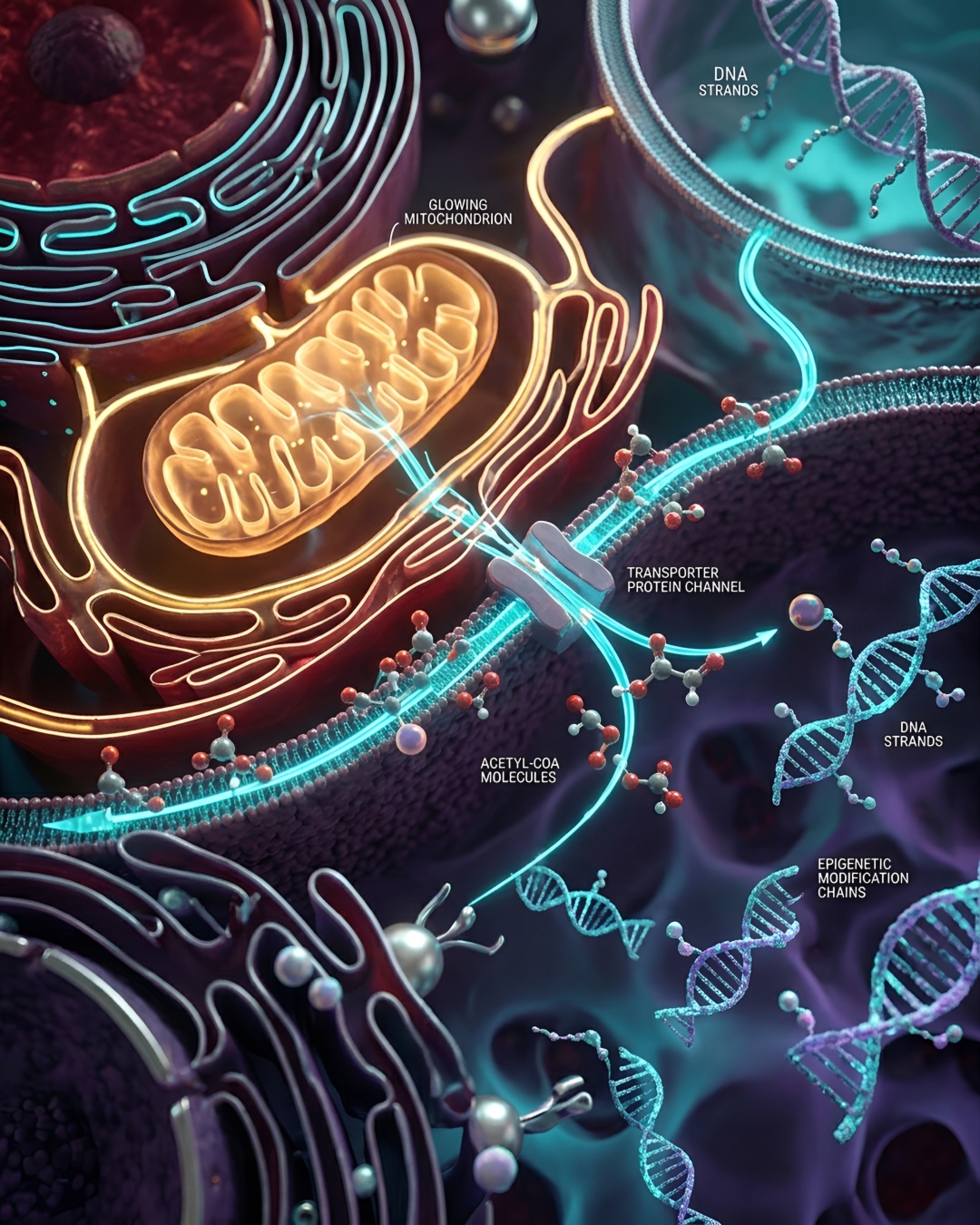
Researchers from Mayo Clinic and Sanford Burnham Prebys Medical Discovery Institute published a study in Nature on August 29, 2026, revealing that senescent or zombie cells drive age-related chronic inflammation through a two-part mitochondrial process. As people age, these metabolically active yet non-dividing cells accumulate and secrete inflammatory molecules linked to frailty, cancer, and cardiovascular disease. The senior author João Passos and first author Hélène Martini discovered that dysfunctional mitochondria not only leak immune-activating genetic material but also supply a metabolic signal via acetyl-CoA. This molecular permission supports epigenetic modifications, making inflammatory genes more accessible and fully active without destroying the cells themselves. The investigation identified SLC25A1, a mitochondrial citrate transporter supplying acetyl-CoA, as a critical control point for therapeutic intervention. By blocking SLC25A1, researchers successfully limited inflammatory gene activation while leaving original immune alarm signals intact, pointing toward novel anti-aging treatments. This breakthrough strategy shifts the aging research paradigm from eliminating senescent cells entirely to specifically turning off their harmful inflammatory secretions. Targeting this mitochondrial-epigenetic pathway could promote healthier aging and mitigate chronic disease risks across older populations.

Points clés

01

🔹 Zombie Cells and Age-Related Chronic Inflammation

【📌 Key Finding】Senescent cells accumulate in aging bodies, stopping cell division while remaining metabolically active to release harmful inflammatory molecules. 【🔸 Impact Factors】These secretions contribute significantly to persistent inflammation associated with frailty, cardiovascular disease, cancer, and neurodegeneration. 【⭐ Research Shift】Published in Nature on August 29, 2026, Mayo Clinic researchers led by João Passos focused on turning off harmful inflammation rather than eliminating the cells.

02

🔸 Two-Part Mitochondrial Inflammatory Mechanism

【📌 Dual Signals】Mitochondria send two distinct signals to sustain inflammation: leaking mitochondrial DNA and RNA to activate immune pathways, and providing a metabolic signal. 【⭐ Acetyl-CoA Role】Damaged mitochondria produce higher levels of acetyl-CoA, which drives epigenetic modifications that change gene activity without altering underlying DNA sequences. 【🔗 Cause-Effect Chain】Leaked genetic material triggers the inflammatory alarm, while mitochondrial metabolism supplies molecular permission for inflammatory genes to become fully accessible and active.

03

⭐ Epigenetic Cross-Talk and Gene Accessibility

【📌 Process Steps】Mitochondrial dysfunction → Increased acetyl-CoA production → Enhanced histone acetylation → Improved inflammatory gene accessibility. 【⭐ Molecular Control】Chemical changes driven by mitochondrial metabolism allow cellular machinery to read and express inflammatory genes much more strongly. 【💡 Core Insight】Inflammatory signaling alone is insufficient for full gene activation; metabolic signals from mitochondria are mandatory for complete SASP (senescence-associated secretory phenotype) expression.

04

📊 Therapeutic Intervention via SLC25A1 Blocking

【📌 Target Protein】Researchers focused on SLC25A1, a mitochondrial citrate transporter responsible for supplying acetyl-CoA needed for epigenetic changes. 【⭐ Experimental Outcome】Blocking SLC25A1 successfully reduced available acetyl-CoA and limited inflammatory gene activation even when original immune signals persisted. 【🎯 Clinical Implication】Targeting this transporter offers a promising therapeutic pathway to promote healthier aging without requiring the destruction of senescent cells.

05

💡 Collaborative Research Background and Authorship

【📌 Lead Institutions】Study conducted by Mayo Clinic researchers in collaboration with Sanford Burnham Prebys Medical Discovery Institute. 【⭐ Key Personnel】Senior author João Passos, Ph.D., and first author Hélène Martini, Pharm.D., Ph.D., led the research published in the journal Nature on July 29, 2026 (DOI: 10.1038/s41586-026-10791-2). 【📋 Supporting Evidence】Builds upon prior findings regarding mitochondrial DNA leakage in fatty liver disease and broadens the understanding of senescence mechanisms.

Voulez-vous créer votre propre mindmap ?

Connectez-vous à Neumap AI et commencez à créer vos propres mindmaps !

Commencer