Honey Bee Colony as a Single Living Organism

biology entomology ecology bees lund-university

Résumé

Image de couverture du mindmap
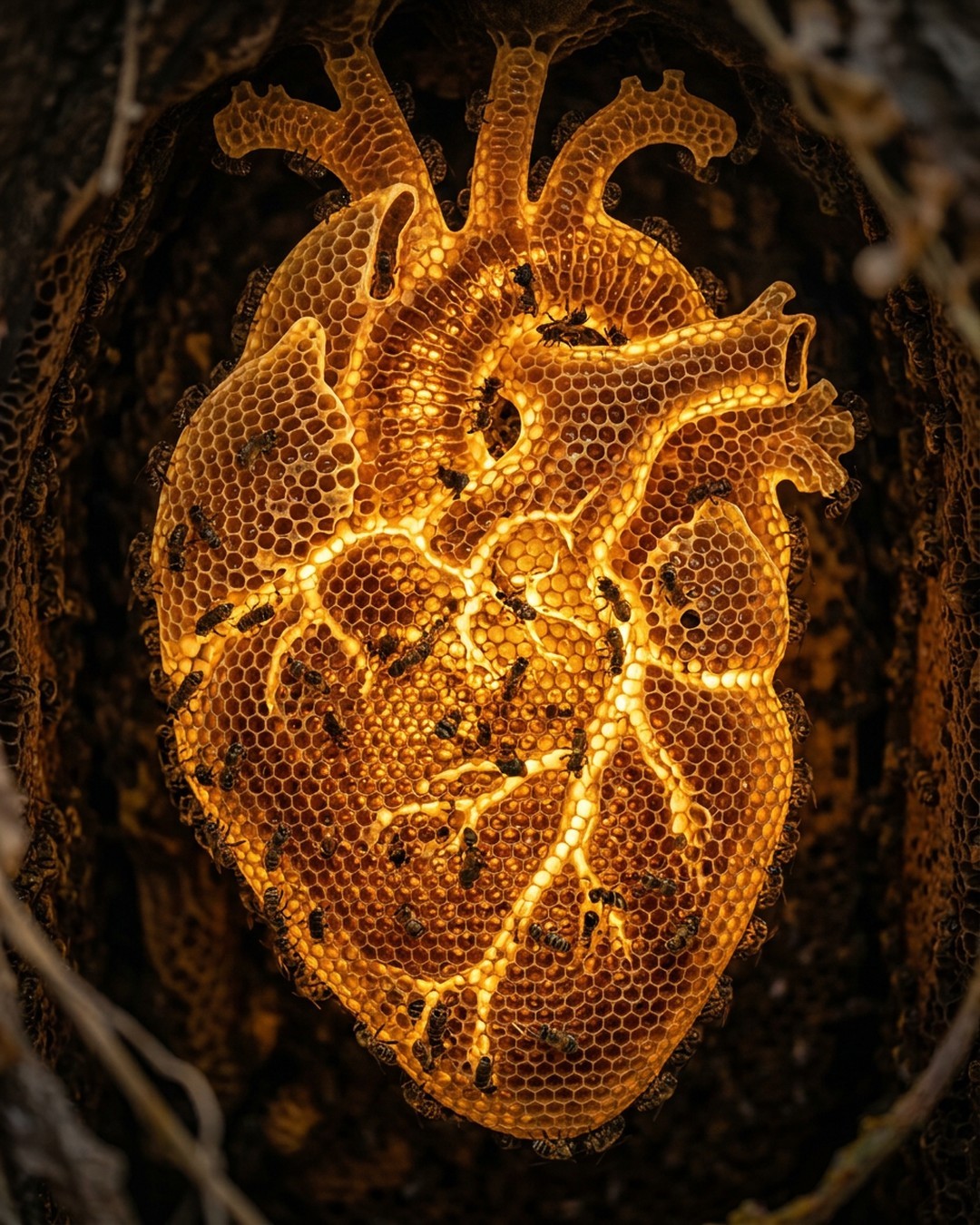
Image de Couverture Générée par IA

A new study published on October 16, 2026, by researchers Hannes Bonhoff from Lund University and Heikki Helanterä from the University of Oulu proposes that a honey bee colony functions as a single living organism rather than merely a society of thousands of individual insects. This superorganism framework considers the queen, drones, and worker bees as specialized cells within a larger biological body that undergoes distinct developmental stages, biological aging, and eventual death. The authors argue that traditional beekeeping practices, such as regularly replacing queens and actively preventing swarming, fundamentally conflict with the colony's natural reproductive and developmental strategies. Swarming is reinterpreted as a form of advanced parental care where the parent colony provides the offspring with an established nest, food resources, and shelter while the old queen risks her life to found a new home elsewhere. This biological perspective challenges modern management approaches that attempt to keep colonies indefinitely young and healthy. By viewing the colony as a cohesive animal with a complete life cycle, researchers hope to improve future strategies for coping with threats such as Varroa mites and other parasitic arachnids that endanger global honey bee populations. Practical application of this research suggests that beekeepers should reevaluate intensive interventions that disrupt natural colony behaviors and reproductive cycles. Understanding the honey bee colony as a superorganism offers a valuable lens for balancing commercial beekeeping productivity with the biological well-being and evolutionary adaptations of insect populations.

Points clés

01

🔹 Honey Bee Colony as a Superorganism

【📌 Key Finding】Research published on October 16, 2026, by Hannes Bonhoff and Heikki Helanterä argues that a honey bee colony functions as a single living organism. 【🔸 Impact Factors】Instead of treating the queen, 200 to 300 drones, and tens of thousands of workers as separate insects, the framework views them like specialized cells within a single animal body. 【⭐ Data Support】The study was published on August 3, 2026, in the journal Insectes Sociaux.

02

🔸 Life Cycle, Aging, and Mortality

【📌 Key Finding】A honey bee colony progresses through mammalian-like life stages from embryo and fetus to juvenile and adult. 【🔸 Impact Factors】Colonies experience biological aging and die after several years, shifting focus from the short lifespans of individual bees to the developmental cycle of the entire colony. 【⭐ Data Support】This perspective provides a novel approach to understanding insect longevity and colony continuity.

03

⭐ Swarming as Advanced Parental Care

【📌 Key Finding】Swarming is reinterpreted as a parental reproductive strategy rather than simple insect dispersal. 【🔸 Impact Factors】The departing queen and half the colony risk their lives to establish a new nest, while the remaining generation inherits food resources, shelter, and experienced worker bees in the original hive. 【⭐ Data Support】Established workers communicate food locations using the honey bee dance language to support the new generation.

04

📊 Implications for Modern Beekeeping

【📌 Key Finding】Common beekeeping practices like replacing queens and preventing swarming disrupt natural colony reproduction. 【🔸 Impact Factors】Interfering with these natural cycles conflicts with the colony's ability to cope with parasites such as Varroa mites. 【⭐ Data Support】Modern methods attempting to keep colonies young indefinitely clash with their evolutionary reproductive strategy.

05

💡 Origins and Academic Context

【📌 Key Finding】The research originated from Hannes Bonhoff's master's thesis at Lund University. 【🔸 Impact Factors】Supervised by Heikki Helanterä and Niklas Wahlberg, the work bridges theoretical superorganism concepts with genuine biological contexts. 【⭐ Data Support】Niklas Wahlberg noted that this study advances the scientific understanding of how biological individuality extends beyond single insects.

Voulez-vous créer votre propre mindmap ?

Connectez-vous à Neumap AI et commencez à créer vos propres mindmaps !

Commencer