Complete Fruit Fly Connectome Mapping

Neuroscience Connectome FruitFly HarvardMedicalSchool PrincetonUniversity BrainResearch NatureJournal

Résumé

Image de couverture du mindmap
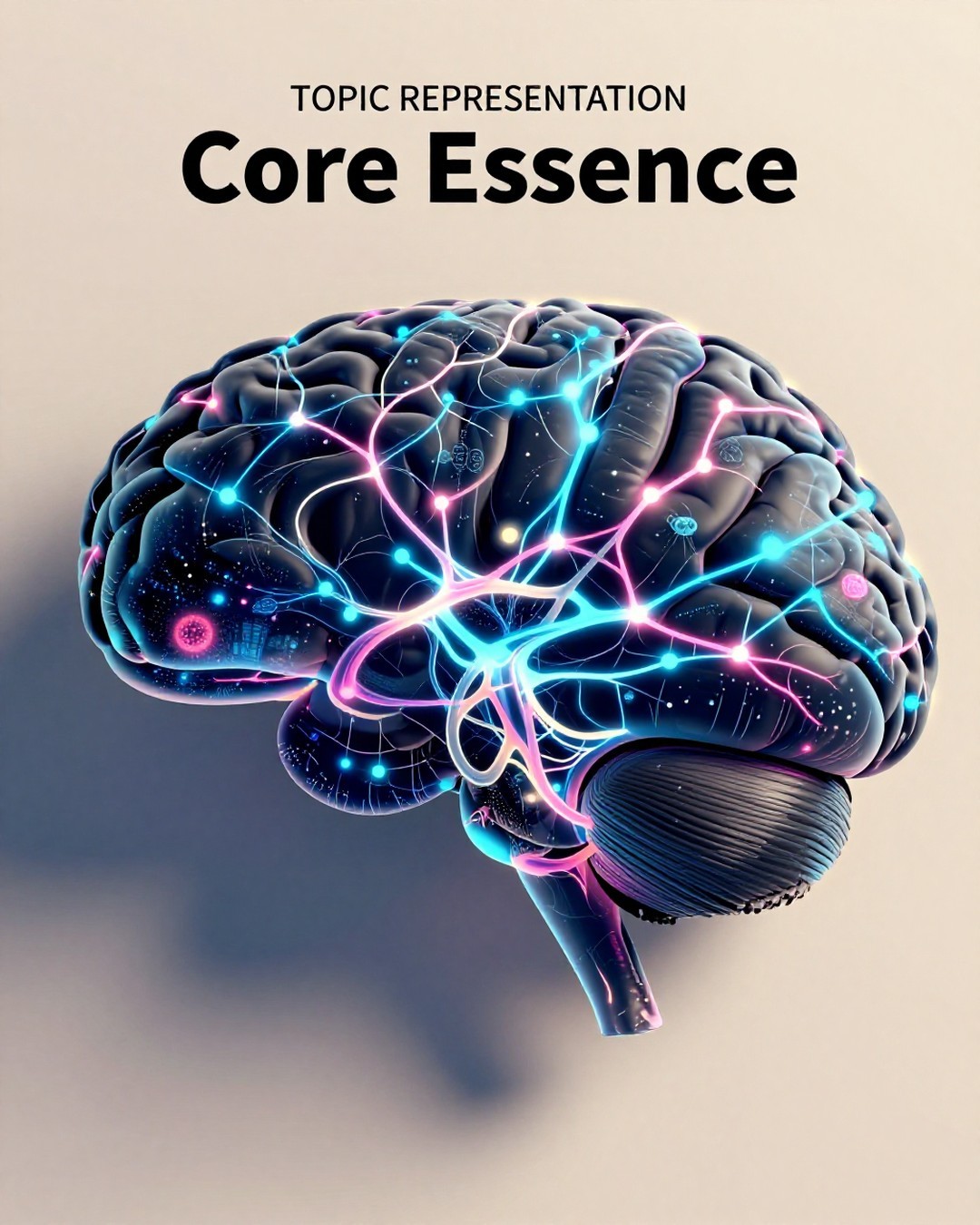
Image de Couverture Générée par IA

Researchers from Harvard Medical School and Princeton University have achieved a major neuroscience milestone by mapping the complete neural wiring diagram (connectome) of an adult fruit fly, Drosophila melanogaster. Published on June 8, 2026, in the journal Nature, this comprehensive map integrates the brain with the nerve cord, providing a holistic view of the central nervous system. The study reveals that complex behaviors are not solely directed by a central brain controller but are instead managed by distributed local neural circuits within the body. The research team, led by experts including Rachel Wilson, Wei-Chung Allen Lee, and Mala Murthy, challenges the traditional view of centralized motor control. By utilizing advanced electron microscopy and AI-driven image assembly, they successfully mapped approximately 160,000 neurons. This breakthrough provides a foundational resource for understanding how information flows from sensation to action, offering insights that may extend to more complex organisms and artificial intelligence development. The connectome serves as a high-resolution map, similar to Google Maps, allowing scientists to generate and test complex hypotheses regarding neural cooperation. The findings indicate that motor circuits for legs, wings, and mouthparts operate as local modules that communicate with each other to produce coordinated movement. This distributed architecture suggests that neural teamwork is a fundamental principle of biological behavior. This open-access resource is expected to drive future discoveries in neuroscience, mirroring the impact of the Human Genome Project. Researchers can now explore how neuropeptides and other signaling molecules influence behavior, while also investigating whether similar distributed control mechanisms exist in mammals. The study provides a critical framework for future experiments in both biological and artificial intelligence systems.

Points clés

01

🔹 Milestone in Neural Mapping

【📌 Key Finding】Scientists successfully mapped the complete neural wiring diagram (connectome) of an adult fruit fly, integrating the brain and the nerve cord. 【⭐ Data Support】The map covers approximately 160,000 neurons, providing a synapse-level view of the central nervous system. This research was published in Nature on June 8, 2026, and represents a significant leap in understanding how the brain and body cooperate to produce behavior.

02

🔸 Distributed Motor Control

【📌 Key Finding】Contrary to the theory of a centralized brain controller, motor control in fruit flies is highly distributed. 【🔸 Impact Factors】Movement of specific body parts like legs or wings is primarily managed by local neural circuits. These local modules communicate with each other to ensure coordinated actions, suggesting that complex behavior arises from neural teamwork rather than top-down commands.

03

⭐ Methodology and Technology

【📌 Process】The team prepared thousands of thin serial sections from a single fruit fly, imaged them using electron microscopy, and utilized AI tools to align millions of images into a unified 3D map. 【⭐ Data Support】This 'embodied' connectome links central nervous system neurons to sensory organs and appendages, allowing researchers to trace information flow from sensation to action.

04

📊 Significance for Future Research

【📌 Research Framework】The connectome acts as a foundational resource for neuroscience, similar to the Human Genome Project. 【🔸 Impact Factors】It enables scientists to test complex hypotheses about neural circuits, including the role of neuropeptides. Future studies will investigate if this distributed control mechanism is conserved in more complex organisms, such as mice, and how it can inform the design of advanced AI agents.

05

💡 Why Fruit Flies (Drosophila melanogaster)

【📌 Category】Fruit flies are ideal models due to their relatively simple nervous systems and sophisticated genetic toolkits. 【⭐ Data Support】Despite having only 160,000 neurons, they exhibit complex behaviors like navigation, social interaction, and learning. Their accessibility allows researchers to record and control activity from single neurons, making them the perfect subject for bridging the gap between brain structure and physical behavior.

Voulez-vous créer votre propre mindmap ?

Connectez-vous à Neumap AI et commencez à créer vos propres mindmaps !

Commencer