567-Million-Year-Old Fossils and Early Animal Evolution

paleontology evolution fossils Ediacaran science-research

Riepilogo

Immagine Copertina Mappa Mentale
Immagine Copertina Generata da AI

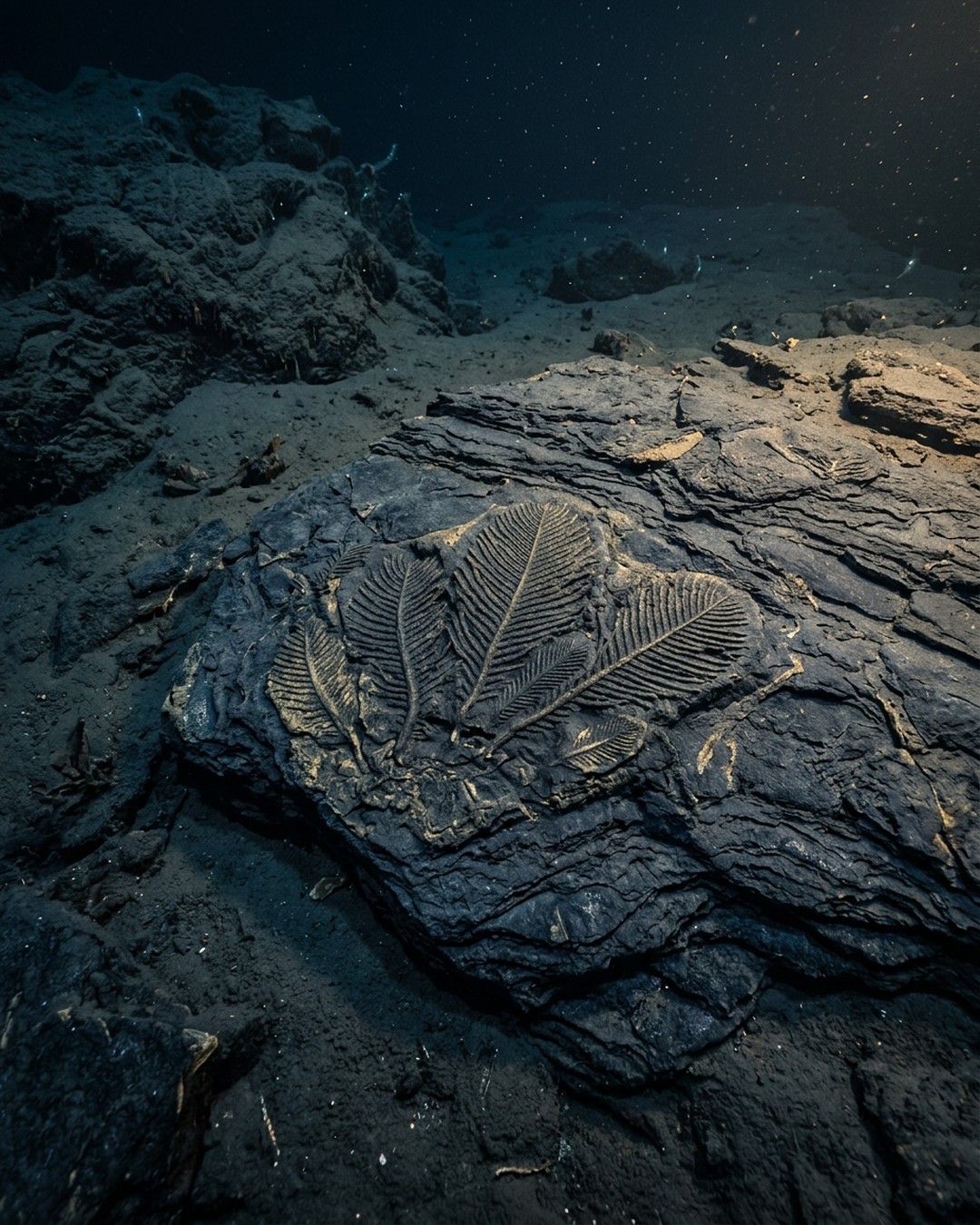
A study published in Science Advances on July 14, 2026, reveals that complex animal life evolved significantly earlier than previously understood. By analyzing 567-million-year-old fossils discovered in Canada's Northwest Territories, researchers led by Scott Evans have identified that diverse animal communities existed in deep-water environments much earlier than the established timeline for the White Sea assemblage. The authors argue that early animal evolution was a gradual ecological expansion rather than a series of sudden, distinct transitions. This discovery challenges the traditional view of the Ediacaran Period as a sequence of isolated, non-overlapping chapters, suggesting instead that different types of organisms coexisted and adapted to various marine environments over a longer duration. The research highlights that deep-water settings likely served as a cradle for early animal life, providing stable conditions for experimentation with body shapes and movement. This finding blurs the boundaries between known Ediacaran fossil assemblages and emphasizes the role of environmental pressures in driving evolutionary innovation through convergent evolution. These findings provide a more nuanced understanding of the origins of modern animal diversity. For researchers and enthusiasts, this suggests that the history of life on Earth is more interconnected and continuous, encouraging a re-evaluation of how environmental factors and ecological niches shaped the earliest ancestors of complex animals.

Punti Chiave

01

🔹 Discovery of 567-Million-Year-Old Fossils

【📌 Key Finding】Researchers discovered rare fossils in the Mackenzie Mountains of Canada's Northwest Territories dated to approximately 567–566 million years ago. 【⭐ Data Support】These fossils are significantly older than the classic White Sea assemblage (560–550 million years ago), pushing back the timeline for the emergence of complex, mobile animals like Dickinsonia.

02

🔸 Redefining Ediacaran Assemblages

【📌 Key Finding】The traditional division of the Ediacaran Period into three distinct chapters (Avalon, White Sea, and Nama) is being challenged. 【🔸 Impact Factors】The discovery of White Sea-style fossils in deep-water Canadian sites suggests that these communities were more geographically widespread and environmentally flexible than previously recognized, indicating an overlap rather than a clean, sequential handover between evolutionary stages.

03

⭐ Deep-Water Environments as Evolutionary Cradles

【📌 Key Finding】Early animal ecosystems likely developed in deep-water slope environments before expanding into shallower seas. 【🔸 Impact Factors】This shift in understanding suggests that deep-water settings provided a stable, protected environment for early animals to experiment with new body shapes, feeding strategies, and movement, acting as a nursery for complex life.

04

📊 Gradual Ecological Expansion

【📌 Key Finding】Early animal evolution appears to be a gradual process of ecological expansion rather than a series of sudden, isolated events. 【⭐ Data Support】The coexistence of Avalon-style frond-like organisms and more diverse White Sea-style animals in the same deep-water settings supports a model of continuous, long-term evolutionary experimentation.

05

💡 Convergent Evolution and Environmental Pressure

【📌 Key Finding】Evolution acts as a repeated problem-solving mechanism shaped by environmental rules. 【🔸 Impact Factors】Different environments (deep-water vs. shallow-water) imposed unique pressures, leading to convergent evolution where unrelated organisms developed similar solutions—such as tubes, fronds, and flattened bodies—to survive and thrive on the ancient seafloor.

Vuoi creare la tua mappa mentale?

Accedi a Neumap AI e inizia a creare le tue mappe mentali!

Inizia Ora