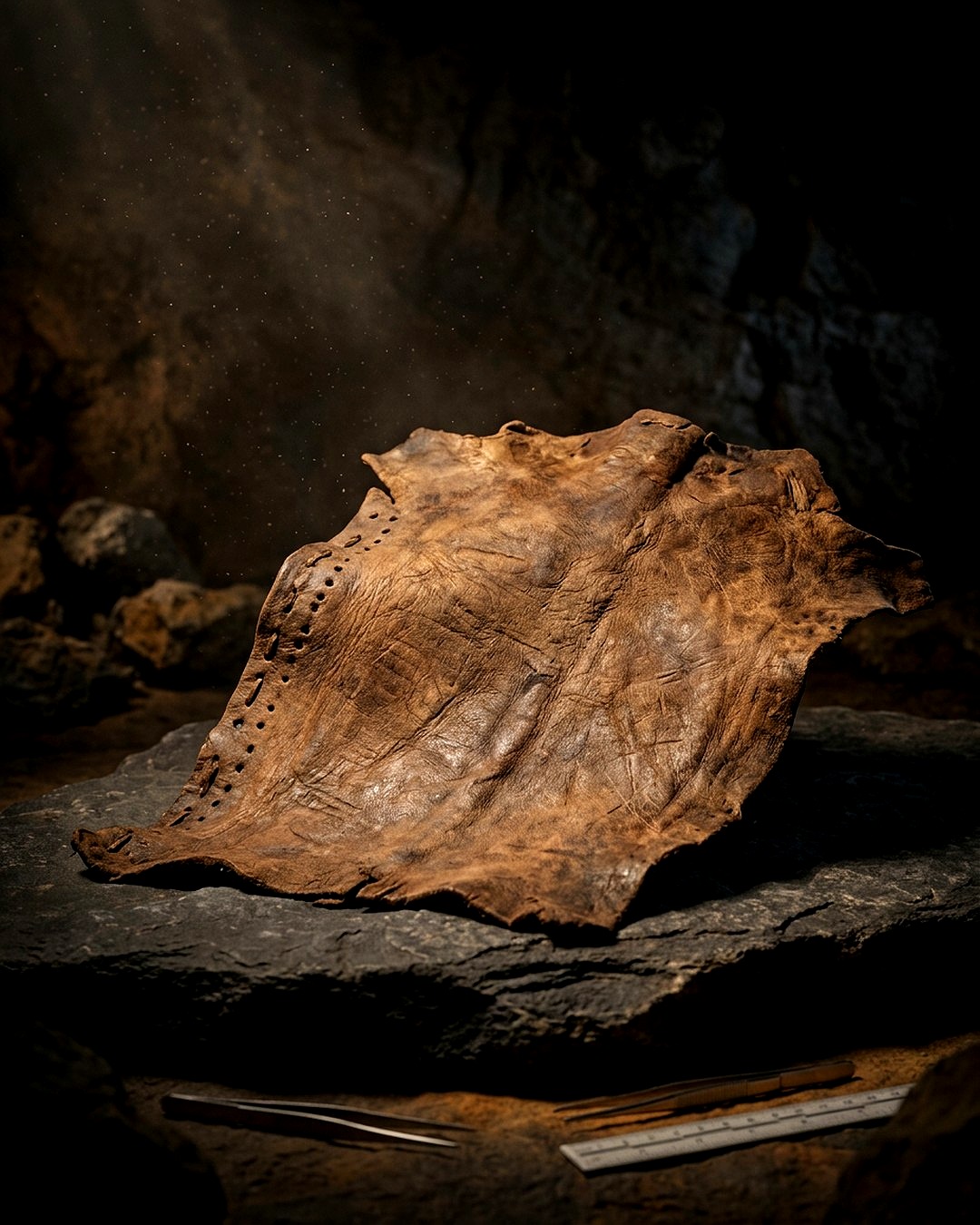
7,000-Year-Old Goat Leather DNA Discovery

scitechdaily archaeology genetics evolution anthropology

Riepilogo

Immagine Copertina Mappa Mentale
Immagine Copertina Generata da AI

Researchers have successfully recovered ancient mitochondrial and nuclear DNA from a 7,000-year-old tanned goat leather fragment discovered in Cueva de los Murciélagos located in Albuñol, Granada, Spain. Radiocarbon dating and surface analysis confirm the specimen dates back to approximately 5,000 BCE and provides direct evidence of Early Neolithic animal hide processing and craftsmanship. The study, led by Jolijn A. M. Erven of University College Dublin and published in the journal PLOS One on November 4, 2026, reveals a direct genetic link between the prehistoric specimen and modern goat breeds living in Spain today, specifically the Bermeya goat breed of northern Spain. This indicates that a related genetic lineage has persisted on the Iberian Peninsula for seven millennia. Despite warmer regional conditions that typically accelerate the degradation of organic genetic material, multidisciplinary researchers successfully extracted both maternal and biparental DNA. The genetic analysis confirmed the leather originated from a domestic goat rather than a wild Iberian ibex, offering crucial insights into prehistoric animal husbandry and human-animal interactions. Interestingly, the ancient DNA showed no evidence of African genetic ancestry, which is commonly found in modern European goats. This finding suggests that significant genetic exchanges involving African goat populations occurred after the Neolithic period, though further research is required to map the exact timeline of these prehistoric interactions between Iberia and Africa.

Punti Chiave

01

🔹 Discovery of 7,000-Year-Old Goat Leather

【📌 Key Finding】A remarkably preserved piece of tanned goat leather was recovered from Cueva de los Murciélagos in Albuñol, Granada, Spain. 【🔸 Impact Factors】Radiocarbon dating confirmed the artifact is approximately 7,000 years old, placing it in the Early Neolithic period. 【⭐ Data Support】Surface marks indicate the hide was tanned and perforated, suggesting use in prehistoric garments or protective coverings before being buried with human remains.

02

🔸 Genetic Link to Modern Spanish Goats

【📌 Key Finding】Scientists successfully extracted both mitochondrial DNA and nuclear DNA from the ancient leather fragment. 【🔸 Impact Factors】Genetic analysis proved the specimen came from a domestic goat and shows a close relationship to the modern Bermeya goat breed of northern Spain. 【⭐ Data Support】This demonstrates that a specific genetic lineage has persisted on the Iberian Peninsula across a span of 7,000 years.

03

⭐ Absence of African Genetic Ancestry

【📌 Key Finding】The ancient goat DNA lacked the African genetic ancestry currently detected in modern European goat populations. 【🔸 Impact Factors】This absence indicates that genetic exchange involving African goat populations took place after the Neolithic period. 【⭐ Data Support】Limited sample size and DNA fragmentation prevent definitive conclusions about the exact timing of prehistoric interactions between Iberia and Africa.

04

📊 Multidisciplinary Research Collaboration

【📌 Key Finding】The study was led by Jolijn A. M. Erven of University College Dublin alongside a large international team and the VarGoats consortium. 【🔸 Impact Factors】Published on November 4, 2026, in the journal PLOS One under research projects funded by institutions including the Comunidad de Madrid and Universidad de Alcalá. 【⭐ Data Support】Advanced laboratory techniques successfully overcame southern European climate barriers that normally destroy ancient organic genetic material.

05

💡 Implications for Prehistoric Animal Husbandry

【📌 Key Finding】The discovery provides direct evidence of Early Neolithic communities processing domesticated animal hides in southern Europe. 【🔸 Impact Factors】Offers a rare investigation into prehistoric technologies, animal husbandry, and early relationships between human communities and livestock. 【⭐ Data Support】Transforms a fragile archaeological textile into a concrete genetic bridge connecting modern zoology with prehistoric European life.

Vuoi creare la tua mappa mentale?

Accedi a Neumap AI e inizia a creare le tue mappe mentali!

Inizia Ora