Oral Bacteria and Heart Valve Calcification Link

CardiovascularHealth PeriodontalDisease MedicalResearch AHA2026 OralHealth

Riepilogo

Immagine Copertina Mappa Mentale
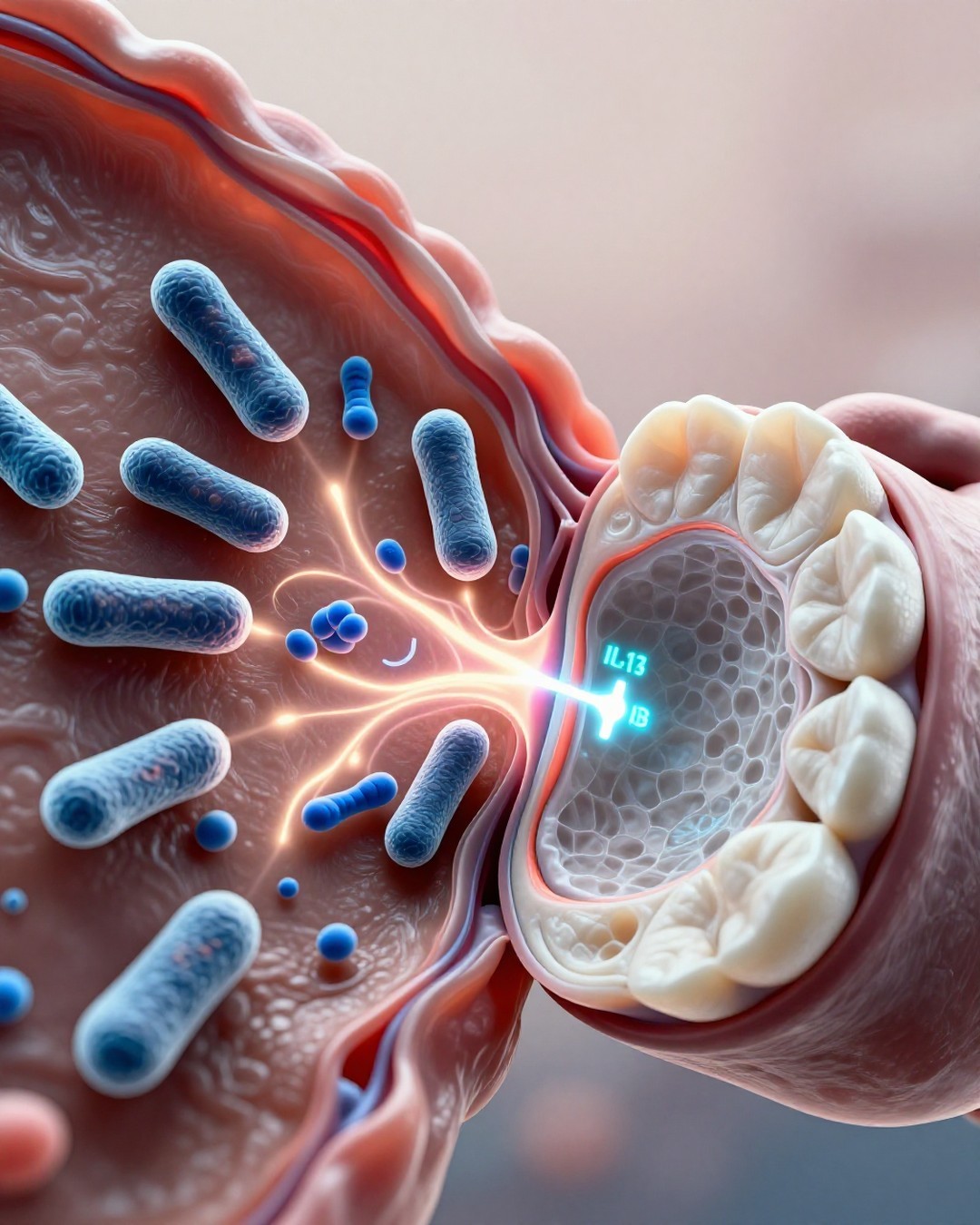
Immagine Copertina Generata da AI

Research presented on July 16, 2026, at the American Heart Association’s Basic Cardiovascular Sciences Scientific Sessions identifies a potential biological link between the oral bacterium Porphyromonas gingivalis (P. gingivalis) and calcific aortic valve stenosis (CAVS). This condition involves calcium accumulation in the heart's aortic valve, leading to narrowing, restricted blood flow, and potentially severe health outcomes like heart failure. The study suggests that chronic periodontal disease may act as a catalyst for heart valve damage through inflammatory pathways. By analyzing human tissue and conducting mouse experiments, researchers observed that P. gingivalis triggers an inflammatory response involving the signaling protein interleukin-1 beta (IL-1β), which promotes calcium buildup in valve tissues. While the findings are preliminary and require further clinical validation in human subjects, they highlight a critical intersection between oral hygiene and cardiovascular health. The research underscores the importance of dental health as a potential preventive measure against serious heart valve disorders. For practical application, individuals should prioritize consistent oral hygiene to mitigate the risk of periodontal disease. Dental professionals are encouraged to act as early detection partners, as their regular interactions with patients provide a unique opportunity to identify systemic health risks before they escalate into life-threatening cardiovascular conditions.

Punti Chiave

01

🔹 Research Overview and Core Findings

Presented at the AHA Basic Cardiovascular Sciences Scientific Sessions on July 16, 2026, the study links Porphyromonas gingivalis (P. gingivalis) to calcific aortic valve stenosis (CAVS). The research demonstrates that this common gum disease bacterium contributes to valve hardening through inflammation, potentially offering a new target for preventive cardiovascular medicine.

02

🔸 Understanding Calcific Aortic Valve Stenosis (CAVS)

CAVS is a serious heart valve disorder where calcium deposits cause the aortic valve to thicken and narrow. This obstruction restricts blood circulation, leading to symptoms such as chest pain, shortness of breath, fatigue, and heart failure. Currently, no medication exists to stop or slow the disease, often necessitating surgical valve replacement.

03

⭐ The Role of Porphyromonas gingivalis (P. gingivalis)

P. gingivalis is a bacterium known for causing gum inflammation and tissue breakdown. Researchers found significantly higher levels of this bacterium in calcified human heart valves compared to healthy ones. In mouse models, exposure to live P. gingivalis directly increased calcium deposits in the aortic valve, while antibiotic treatment successfully reduced these effects.

04

📊 Inflammatory Pathway Mechanism (IL-1β)

The study identified that P. gingivalis activates interleukin-1 beta (IL-1β), a signaling protein that triggers inflammation. When researchers genetically disabled the IL-1β pathway in mice, the bacteria failed to induce significant valve calcification, confirming that this specific inflammatory response is a primary driver of the damage caused by the infection.

05

💡 Clinical Implications and Future Directions

While the findings are preliminary, they emphasize that oral health is a vital component of cardiovascular wellness. The research team, led by Chenyang Li, M.D., is currently conducting clinical studies to confirm these findings in human patients. The American Heart Association stresses that dental professionals play a crucial role in early health screening and referral.

Vuoi creare la tua mappa mentale?

Accedi a Neumap AI e inizia a creare le tue mappe mentali!

Inizia Ora