Koala Evolutionary History and Genomic Study

Genetics EvolutionaryBiology Conservation Koala UniversityOfSydney MolecularBiology

Riepilogo

Immagine Copertina Mappa Mentale
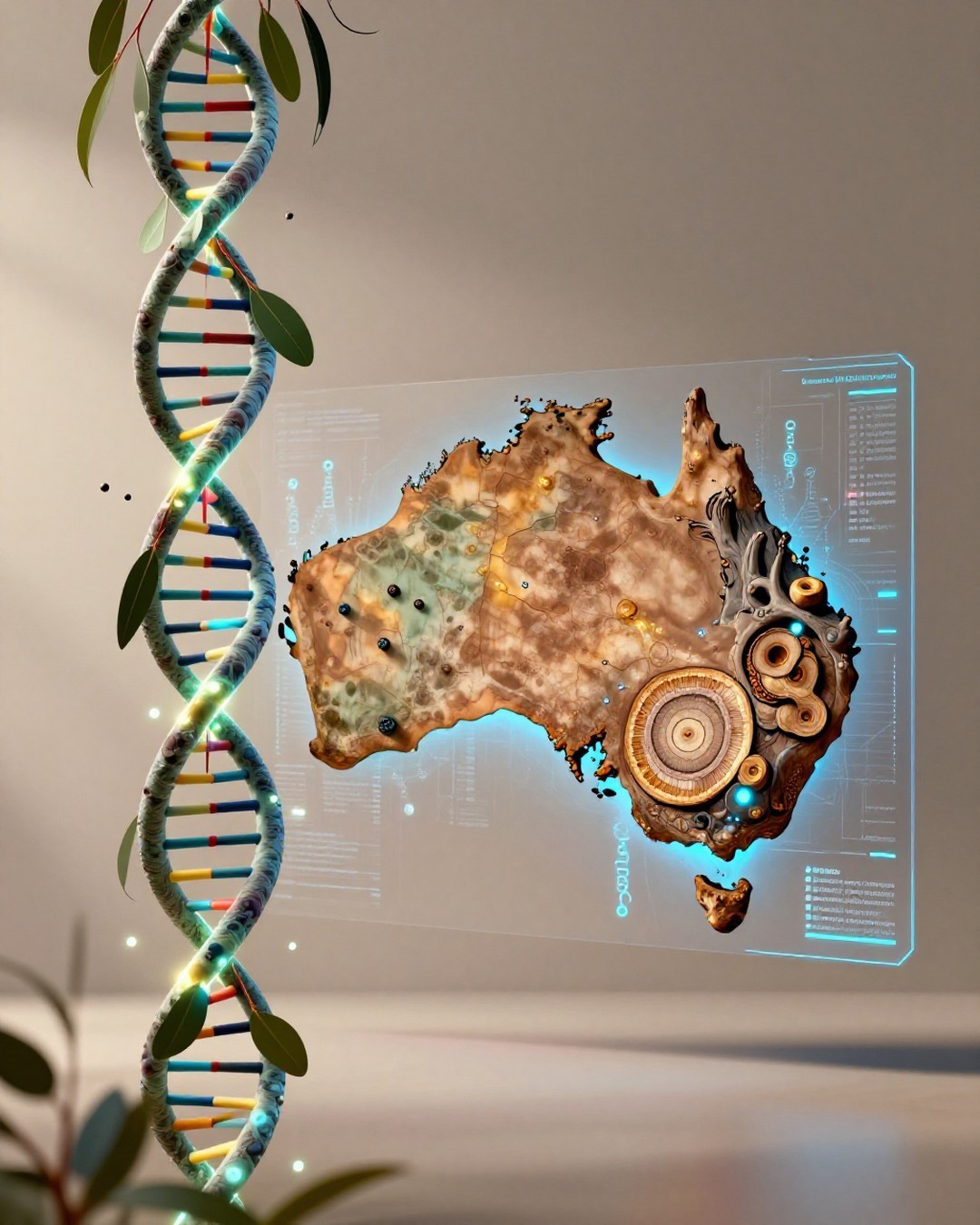
Immagine Copertina Generata da AI

A groundbreaking genomic study published on June 21, 2026, reveals that koalas (Phascolarctos cinereus) experienced a severe population collapse approximately 100,000 years ago, long before human arrival in Australia. By calculating the first direct mutation rate for koalas, researchers determined that modern populations descend from a single group that survived extreme climate-driven environmental shifts during the late Pleistocene. The research, led by the University of Sydney and Texas A&M University, challenges previous assumptions that attributed major koala declines primarily to human activity. While human-induced threats like habitat loss and hunting are critical today, the study highlights that the species has a deep history of surviving natural climate-induced bottlenecks, providing essential context for modern conservation strategies. The team sequenced four parent-offspring trios to establish a mutation rate roughly half that of humans. Applying this to 457 koala genomes, they mapped a population bottleneck around 60,000 years ago caused by the expansion of the Nullarbor Plain and arid, fire-prone conditions. This data allows scientists to better understand the species' adaptive capacity and genetic diversity. These findings offer a scientific foundation for future conservation efforts by clarifying the evolutionary timeline and genetic resilience of koalas. Understanding how the species recovered from past climate-driven declines helps experts develop more effective, evidence-based management plans to protect current populations from contemporary anthropogenic threats.

Punti Chiave

01

🔹 Genomic Discovery of Ancient Bottleneck

【📌 Key Finding】Koalas underwent a massive population decline starting 100,000 years ago, reaching a critical bottleneck 60,000 years ago. 【⭐ Data Support】The study analyzed 457 koala genomes to reconstruct this timeline, proving the decline occurred well before human arrival in Australia (~65,000 years ago).

02

🔸 First Direct Mutation Rate Measurement

【📌 Methodology】Researchers sequenced four parent-offspring trios to calculate the koala mutation rate. 【⭐ Data Support】The resulting rate is approximately half that of humans. This is the first direct measurement for any member of the Diprotodontia order, which includes kangaroos, wombats, and possums.

03

⭐ Climate-Driven Environmental Causes

【📌 Cause】The expansion of the Nullarbor Plain 70,000 years ago and repeated glacial cycles created arid, fire-prone environments. 【🔸 Impact Factors】These conditions fragmented habitats, causing the extinction of western populations while a small eastern group survived to repopulate the continent.

04

📊 Evolutionary Recovery and Modern Diversity

【📌 Process】Following the harsh Pleistocene conditions, populations expanded during the current interglacial period. 【⭐ Data Support】Between 16,500 and 6,000 years ago, the surviving koalas diverged into the five distinct genetic populations currently found along the Australian east coast.

05

💡 Conservation Implications

【📌 Application】The new mutation rate allows for more accurate reconstruction of population history and adaptive capacity. 【⭐ Strategic Value】By distinguishing between natural historical declines and modern human-caused threats (habitat loss, disease, bushfires), conservationists can create more targeted, science-based protection strategies.

Vuoi creare la tua mappa mentale?

Accedi a Neumap AI e inizia a creare le tue mappe mentali!

Inizia Ora