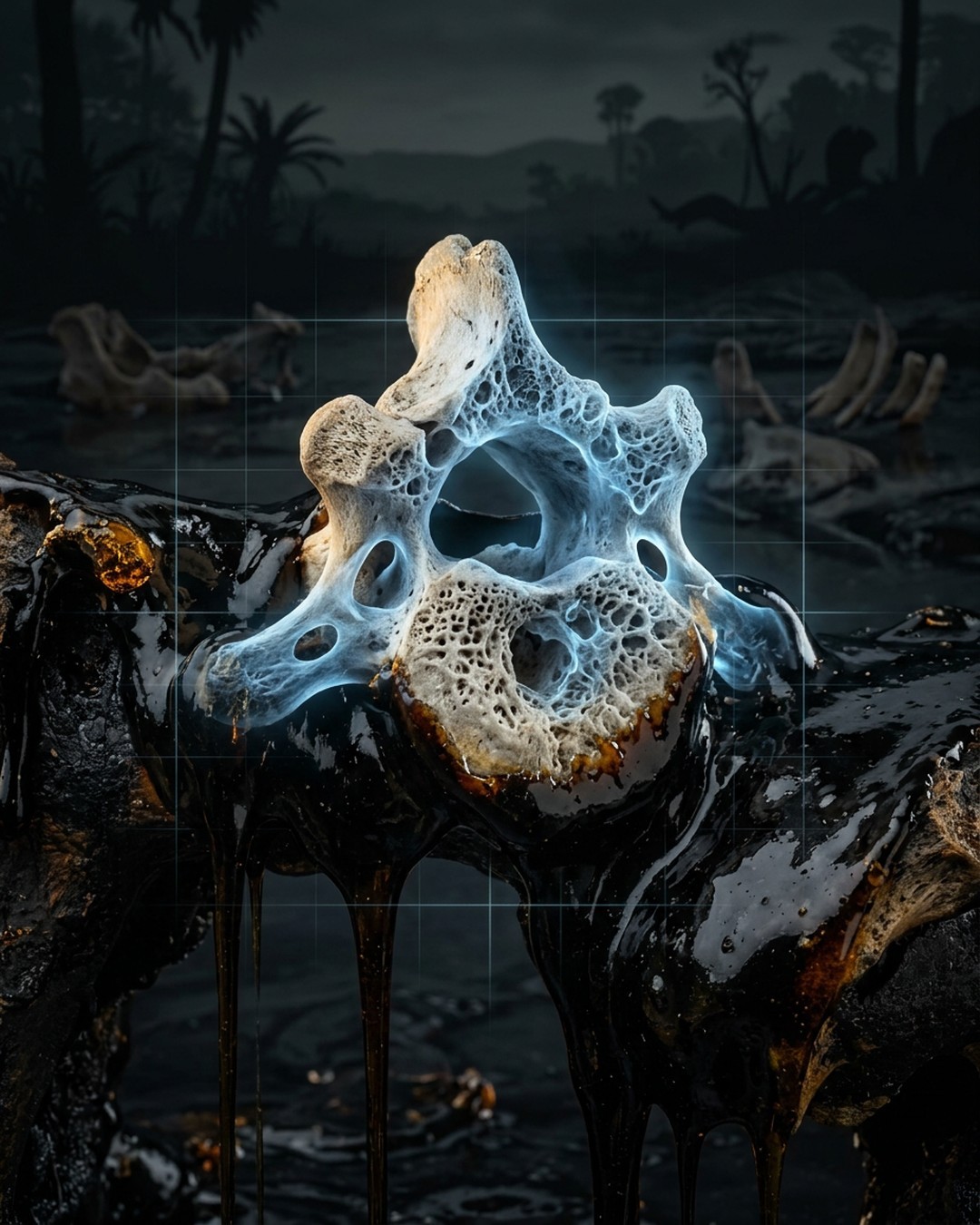
Spines of Saber-Toothed Cats Reveal Extinction Clues

sciencenews.org paleontology saber-toothed-cat la-brea-tar-pits extinction-mechanisms

Riepilogo

Immagine Copertina Mappa Mentale
Immagine Copertina Generata da AI

Fossils of saber-toothed cats (Smilodon fatalis) recovered from California's La Brea Tar Pits reveal a remarkably high frequency of spinal maladies, including rare spinal nerve tumors dating back to 12,000 and 13,000 years ago. Researchers led by veterinary surgeon Hugo Schmökel analyzed over 3,000 vertebrae, discovering that three individual cats exhibited cavernous hollows in their lower back vertebrae caused by tumors, at a rate roughly 1,000 times higher than modern humans and dogs. The researchers hypothesize that these spinal tumors and deformities were driven by severe inbreeding during the declining twilight years of the species as populations shrank and became increasingly isolated before total extinction at the end of the Pleistocene Epoch. This study provides critical biological insight into the mechanisms of prehistoric extinction, suggesting that shrinking population sizes and reduced genetic diversity manifest as physical deformities that further compromise an endangered species' ability to survive.

Punti Chiave

01

🔹 La Brea Fossil Analysis

Veterinary surgeon Hugo Schmökel and colleagues systematically analyzed over 3,000 vertebrae from saber-toothed cats (Smilodon fatalis) preserved in California's La Brea Tar Pits, utilizing careful bone observations and X-ray scans to uncover hundreds of spinal deformities.

02

🔸 Rare Spinal Tumors Discovered

Three saber-toothed cat fossils displayed massively inflated nerve and blood vessel openings in their lower back vertebrae, indicating slow-growing spinal nerve tumors occurring at a rate approximately 1,000 times higher than in modern humans and dogs.

03

⭐ Impact on Predatory Mechanics

The spinal tumors and associated pain would have severely impaired the cats' hunting strategy, which required bracing on their hind legs and grappling with heavy prey like bison, likely increasing the likelihood of sick cats getting trapped in the tar.

04

📊 Inbreeding as Extinction Driver

Two of the tumor-bearing fossils date back to 12,000 and 13,000 years ago near the close of the Pleistocene Epoch, supporting the hypothesis that dwindling population sizes caused severe inbreeding, reduced genetic diversity, and widespread skeletal maladies prior to extinction.

05

💡 Broader Paleontological Implications

Paleontologist Mairin Balisi notes that similar physical signs of inbreeding appear in other extinct Ice Age mammals like mammoths, woolly rhinos, and giant deer, marking a potential physical fingerprint of how isolated populations collapse toward final extinction.

Vuoi creare la tua mappa mentale?

Accedi a Neumap AI e inizia a creare le tue mappe mentali!

Inizia Ora