Vitamin C and Common Colds Research Analysis

scitechdaily health nutrition vitamins immune-system

要約

マインドマップカバー画像
AI生成カバー画像

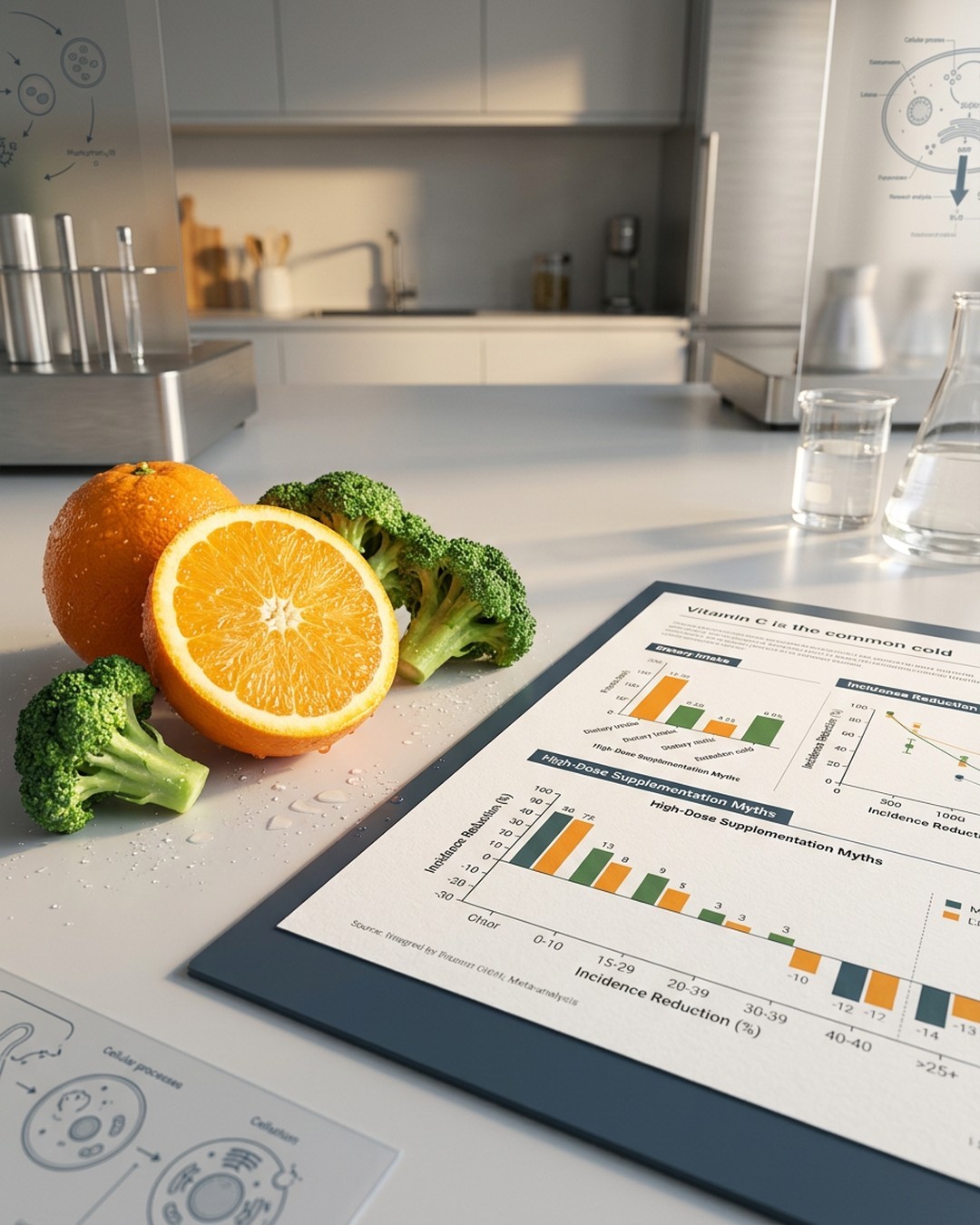
Vitamin C does not prevent the common cold for the general population, though regular intake can modestly reduce the severity and duration of symptoms by about 10% to 15%. The widespread belief that high-dose vitamin C prevents colds originates largely from chemist Linus Pauling's 1970 bestselling book, which recommended daily doses of 1,000 to 2,000 milligrams based on limited and widely criticized evidence. Modern meta-analyses, including a 2023 study involving 2,736 participants, show that taking vitamin C only after cold symptoms start has no therapeutic benefit. To achieve any reduction in symptom severity, individuals must consume vitamin C regularly and preventatively before falling ill, with specific populations such as athletes and military personnel showing occasional reductions in cold frequency. Exceeding the recommended daily intake of 45 mg for Australian adults by consuming high-dose supplements above 1,000 mg daily far exceeds nutritional needs. Less than 4% of Australians are actually deficient in vitamin C, and obtaining sufficient amounts is easily accomplished through dietary sources like half an orange or a few florets of broccoli. Consuming high doses of vitamin C continually poses health risks, including gastrointestinal discomfort, increased risk of kidney stones from oxalate excretion, enhanced iron absorption dangerous for individuals with hemochromatosis, and negative drug interactions with chemotherapy, radiation, and statins. Consumers should consult their general practitioner before starting supplements and keep daily doses below 1,000 mg.

キーポイント

01

🔹 Origin of the Vitamin C Cold Myth

【📌 Historical Context】+ 【🔸 Linus Pauling Influence】+ 【⭐ Scientific Criticism】Two-time Nobel Prize winner Linus Pauling published a 1970 book promoting 1,000 to 2,000 mg of daily vitamin C to prevent colds, driving long-lasting consumer habits. However, his recommendations relied on mathematical errors, low-quality trials, and an excessive emphasis on a Swiss Alpine ski camp children study, drawing widespread criticism from modern infectious disease experts.

02

🔸 Modest Scientific Evidence on Cold Severity

【📌 2023 Meta-Analysis】+ 【🔸 Symptom Reduction】+ 【⭐ Preventive Requirement】A meta-analysis of ten placebo-controlled trials with 2,736 healthy participants showed regular vitamin C intake led to a 15% reduction in severe cold symptoms but did not prevent catching colds. Taking supplements only after symptoms start is completely ineffective; regular preventative consumption is mandatory to reduce severe symptom duration by approximately 10%.

03

⭐ Dietary Requirements vs High Supplements

【📌 Recommended Daily Intake】+ 【🔸 Food Sources】+ 【⭐ Upper Safety Limits】The recommended daily intake for Australian adults over 19 is 45 mg, easily obtained from half an orange, one-third of a glass of orange juice, or three to four broccoli florets. Expert guidelines in Australia and the United States set adult upper limits between 1,000 mg and 2,000 mg per day, noting that less than 4% of Australians suffer from actual vitamin C deficiency.

04

📊 Risks of Excessive Vitamin C Intake

【📌 Adverse Gastrointestinal Effects】+ 【🔸 Kidney Stones and Iron Overload】+ 【⭐ Medication Interactions】Consuming over 1,000 mg of vitamin C daily increases the risk of diarrhea, nausea, stomach cramps, and bloating. It elevates oxalate excretion raising kidney stone risks, accelerates iron absorption causing tissue damage in undiagnosed hemochromatosis patients, and interferes negatively with cholesterol-lowering statin medications, radiation therapy, and chemotherapy.

05

💡 Practical Consumer Takeaways and Recommendations

【📌 GP Consultation】+ 【🔸 Dose Limitation】+ 【⭐ Dietary Priority】Consumers considering vitamin C supplementation should discuss it with their general practitioner and restrict doses to under 1,000 mg per day. Because most people obtain adequate nutrition from whole foods without deficiency, individuals must remain mindful of potential side effects and prioritize balanced dietary intake over unnecessary high-dose supplements.

自分のマインドマップを作成したいですか?

Neumap AIにログインして、あなた専用のマインドマップの作成を始めましょう!

今すぐ始める