Future of Obesity Care: Beyond GLP-1 Drugs

obesity-care GLP-1 gastroenterology medical-innovation personalized-medicine

要約

マインドマップカバー画像
AI生成カバー画像

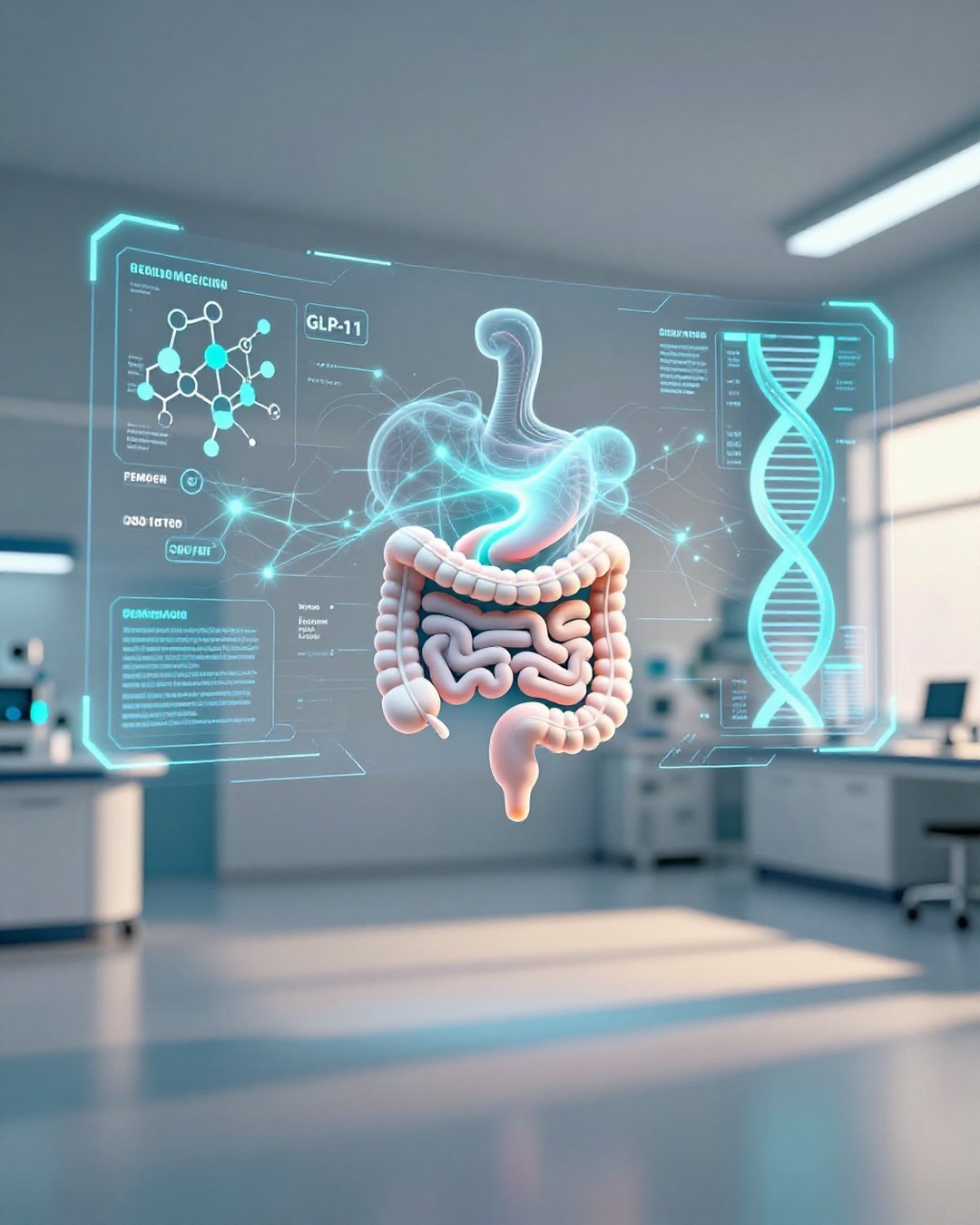
The landscape of obesity management is undergoing a significant transformation, moving beyond the singular reliance on GLP-1 receptor agonists like semaglutide and tirzepatide. A 2026 update to the Practice Guide on Obesity and Weight Management, Education, and Resources (POWER) framework emphasizes that while these medications are revolutionary, they represent only one component of a comprehensive, multidisciplinary approach to treating obesity as a chronic, systemic disease. The authors advocate for a shift away from traditional body mass index (BMI) metrics toward more holistic health assessments. By integrating pharmacological interventions with endoscopic bariatric therapies and surgical procedures, clinicians can achieve more sustainable and significant weight loss outcomes. This evolution reflects a broader commitment to personalized medicine, where genetic insights and individual patient profiles guide the selection of therapeutic combinations. Gastroenterologists and hepatologists are positioned at the forefront of this shift, managing the complex interplay between obesity and related conditions such as metabolic dysfunction-associated steatotic liver disease (MASLD) and gastroesophageal reflux disease (GERD). The updated framework provides a structured, multidisciplinary process designed to optimize patient care through evidence-based, multi-modal strategies. For patients and practitioners, the future of obesity care lies in the strategic combination of therapies rather than reliance on a single drug class. This approach promises to improve long-term health outcomes by addressing the systemic nature of obesity through tailored, multi-disciplinary interventions that evolve alongside emerging medical research and technological advancements.

キーポイント

01

🔹 Evolution of the POWER Framework

The 2026 update to the Practice Guide on Obesity and Weight Management, Education, and Resources (POWER) framework, published in the journal Gastroenterology, marks a shift from the original 2017 guidelines. It acknowledges the transformative impact of GLP-1 receptor agonists while emphasizing that these drugs are part of a broader, multidisciplinary strategy for managing obesity as a chronic, systemic disease.

02

🔸 Limitations of BMI and Shift in Focus

Experts argue that body mass index (BMI) is an insufficient metric for assessing overall health risk in patients with obesity. The updated guidance encourages clinicians to view obesity through a systemic lens, prioritizing comprehensive health assessments over simple weight-to-height ratios to better understand individual patient needs and risks.

03

⭐ Multidisciplinary Treatment Modalities

Effective obesity management now involves combining multiple treatment avenues: 1) Pharmacological agents (semaglutide, tirzepatide) / 2) Endoscopic bariatric and metabolic therapies (e.g., endoscopic sleeve gastroplasty) / 3) Bariatric surgery. Combining these methods is shown to produce more durable and significant weight loss than relying on any single intervention.

04

📊 Role of Gastroenterology Specialists

Gastroenterologists and hepatologists are increasingly central to obesity care due to their expertise in managing obesity-related comorbidities. Key conditions treated include metabolic dysfunction-associated steatotic liver disease (MASLD), gastroesophageal reflux disease (GERD), and gallbladder disease, highlighting the necessity of specialized gastrointestinal oversight in weight management.

05

💡 Precision Medicine and Future Outlook

Advances in genetics and precision medicine are expected to revolutionize treatment selection. By identifying specific genetic markers, doctors will be able to predict which patients are most likely to benefit from particular combinations of medications, endoscopic procedures, or surgeries, leading to highly personalized and effective care plans.

自分のマインドマップを作成したいですか?

Neumap AIにログインして、あなた専用のマインドマップの作成を始めましょう!

今すぐ始める