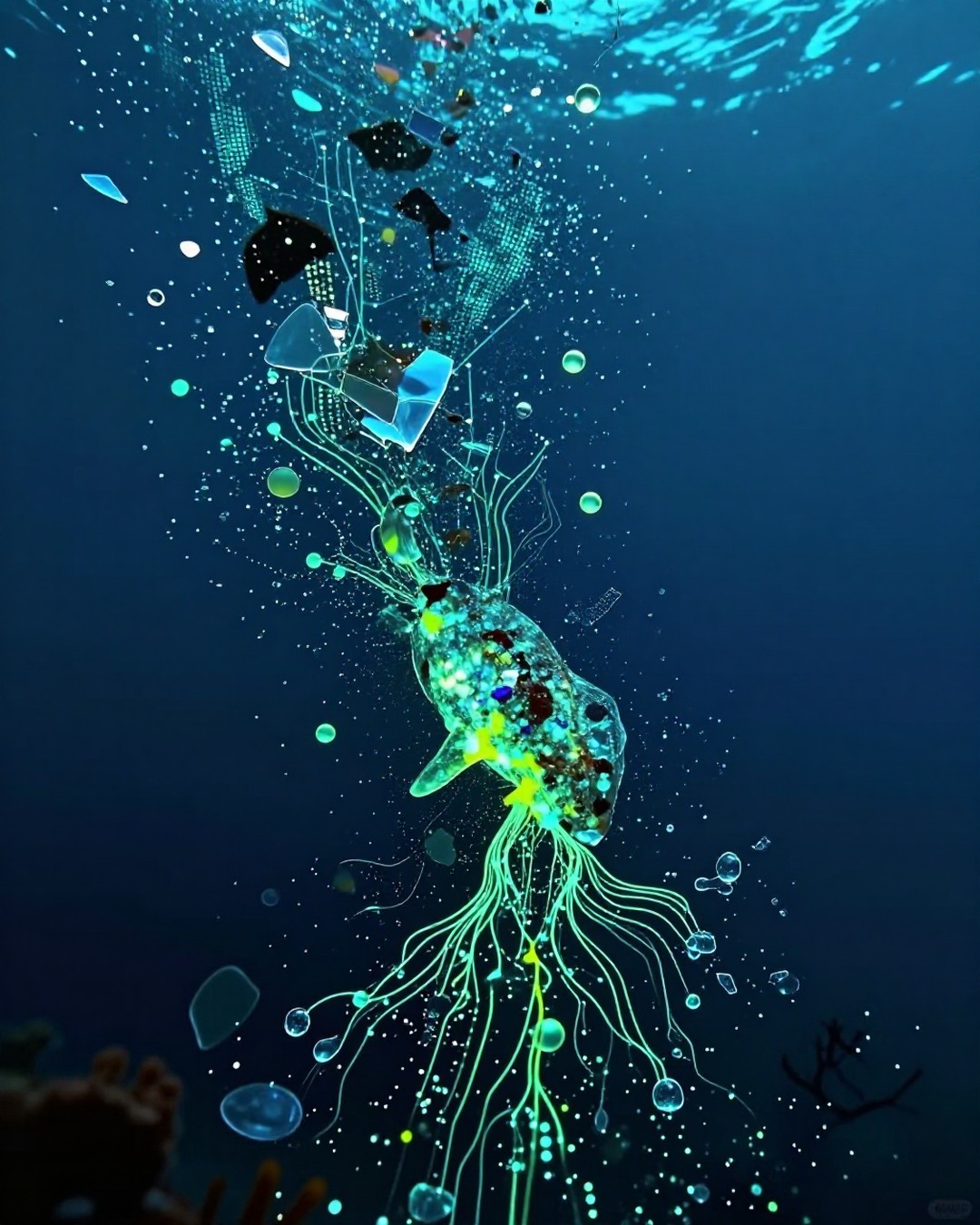
Impact of Electronic Waste Pollutants on Marine Mammal Brains

EnvironmentalScience MarineBiology ElectronicWaste Pollution PublicHealth

要約

マインドマップカバー画像
AI生成カバー画像

A 14-year study published in Environmental Science and Technology reveals that liquid crystal monomers (LCMs) from electronic waste are accumulating in the tissues and brains of Indo-Pacific finless porpoises and Chinese white dolphins in the South China Sea. These persistent chemicals, primarily originating from television and computer screens, have been found to bypass the blood-brain barrier, a discovery that raises significant concerns regarding potential neurotoxicity and long-term health impacts on marine mammals. The research team, led by Yuhe He from the City University of Hong Kong, analyzed 62 types of LCMs in dolphin tissues collected between 2007 and 2021. The findings indicate that these pollutants enter the marine food chain through wastewater and dust, eventually concentrating in the fatty tissues and brains of apex predators. The study highlights that these chemicals can alter DNA activity, interfere with cell repair, and potentially cause severe health issues such as immune suppression and cancer. With global electronic waste production reaching 62 million metric tons in 2022, the study serves as a critical warning for both marine conservation and human health. The persistence of these chemicals in the environment suggests that human exposure through contaminated seafood or water supplies could lead to similar neurological risks, necessitating urgent policy interventions and improved electronic waste management. To mitigate these risks, the researchers advocate for extending the lifespan of electronic devices through repair, adopting certified recycling practices, and implementing stricter regulatory oversight on the chemical composition of consumer electronics. Proactive measures are essential to prevent irreversible damage to marine ecosystems and to safeguard human health before the long-term consequences become fully realized.

キーポイント

01

🔹 Discovery of LCMs in Marine Mammal Brains

Researchers identified liquid crystal monomers (LCMs) in the brain tissues of Indo-Pacific finless porpoises and Chinese white dolphins. This confirms that these persistent chemicals can cross the blood-brain barrier (BBB), a protective mechanism previously thought to block such pollutants. The study analyzed 62 types of LCMs, with the highest concentrations found in fatty tissues, indicating significant bioaccumulation through the marine food chain.

02

🔸 Sources and Composition of Pollutants

The study identified that 89% of the detected LCMs originated from television (56%) and computer (33%) screens, with mobile phones accounting for the remaining 11%. These chemicals are used to provide high-definition imagery and vibrant colors in LCD technology. Their chemical stability, while beneficial for product durability, makes them highly resistant to environmental degradation.

03

⭐ Biological Impact and Toxicity

Laboratory tests on dolphin cells revealed that common LCMs interfere with DNA activity, disrupt cell division, and inhibit repair mechanisms. This leads to cellular stress and potential neurotoxicity. Conservationists warn that this 'toxic soup' of chemicals contributes to immune system suppression, congenital deformities, stillbirths, and increased cancer risks in marine populations.

04

📊 Global Electronic Waste Statistics

The scale of the problem is underscored by the rapid growth of electronic waste, which has nearly doubled since 2010. According to the International Telecommunication Union (ITU) and the United Nations Institute for Training and Research (UNITAR), 62 million metric tons of e-waste were generated in 2022, equivalent to 1.55 million fully loaded 40-ton trucks.

05

💡 Mitigation and Policy Recommendations

The research team emphasizes three primary strategies to reduce environmental impact: 1) Extending the lifespan of electronic devices through repair; 2) Utilizing certified electronic waste recycling methods; and 3) Implementing stricter regulatory reviews for chemicals used in consumer electronics. Immediate action is urged to protect both marine health and human populations consuming seafood.

自分のマインドマップを作成したいですか?

Neumap AIにログインして、あなた専用のマインドマップの作成を始めましょう!

今すぐ始める