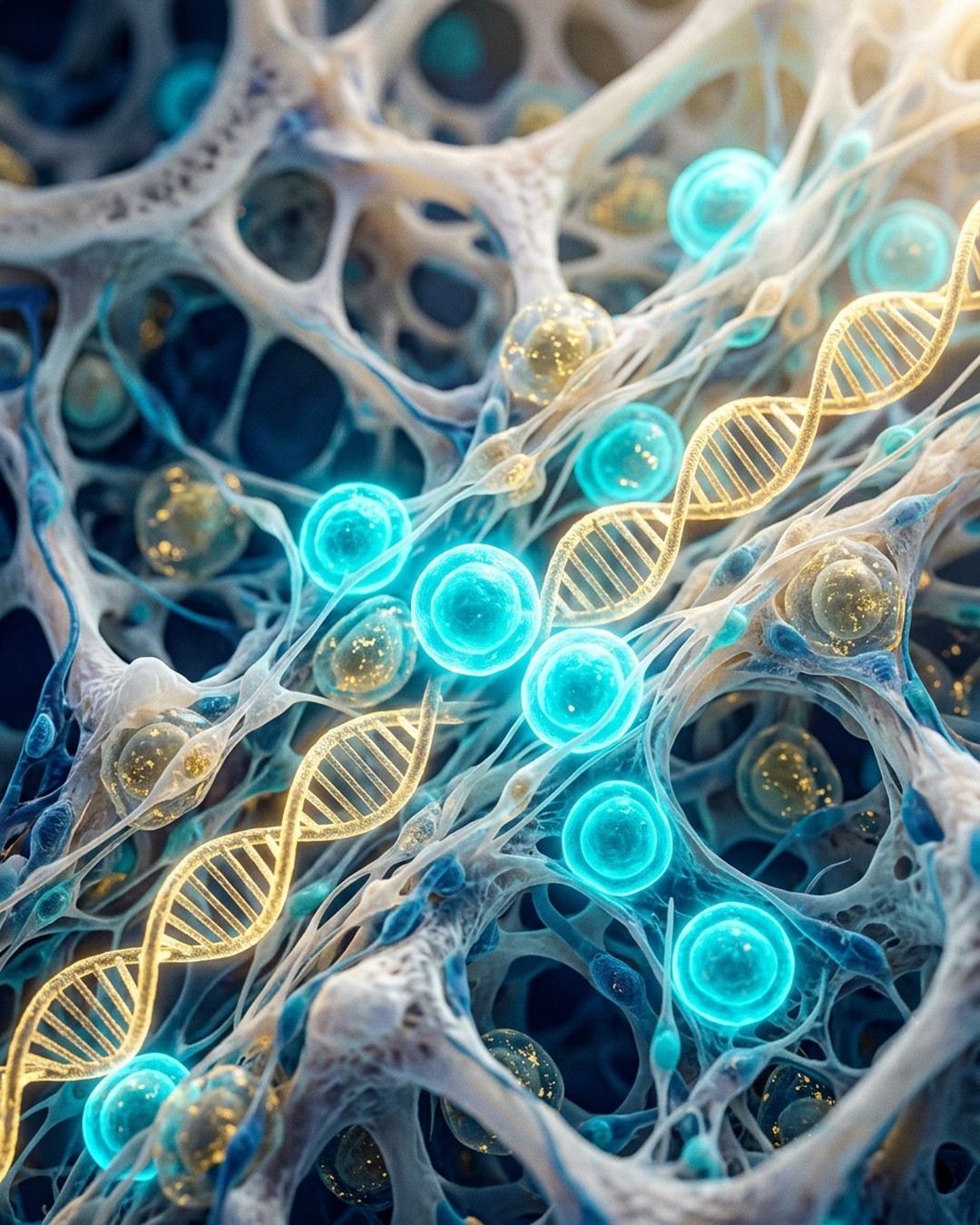
Young Stem Cells for Healthier Aging

StemCells AgingResearch LundUniversity HealthTech Immunology

要約

マインドマップカバー画像
AI生成カバー画像

Recent research published on July 23, 2026, by scientists at Lund University led by Professor David Bryder demonstrates that transplanting young blood stem cells into older mice successfully restores key blood-forming and immune functions without requiring harsh chemotherapy or radiation. The study addresses the natural deterioration of the blood-producing system during aging, which typically leads to immune vulnerability, increased risk of leukemia, and severe infections by showing that young stem cells can safely replace aging and defective stem cells. The researchers achieved a gentler transplant process by temporarily drawing older blood stem cells into the bloodstream using an antibody medicine and injecting expanded supplies of young stem cells, allowing the healthier cells to win the race to the bone marrow. While clinical treatments for humans remain a distant goal and caution is advised against unverified commercial stem cell procedures, the findings suggest that preventive collection and freezing of stem cells in youth could eventually provide significant medical and economic value for healthier aging.

キーポイント

01

🔹 Breakthrough in Rejuvenating Aging Blood Systems

Researchers at Lund University published a study in Nature Communications on June 2, 2025, showing that young blood stem cells can restore key blood-forming and immune functions in aged mice. Led by Professor David Bryder, the study proves that replacing aging and defective blood stem cells is biologically possible, offering a potential pathway toward healthier human aging.

02

🔸 Gentler Transplant Method Without Chemotherapy

Traditional stem cell transplants require harsh chemotherapy or radiation to clear bone marrow space. The new research utilized an antibody medicine to target defective stem cells and temporarily draw older stem cells into the bloodstream, allowing expanded supplies of young, healthy stem cells to outcompete them and settle in the bone marrow safely.

03

⭐ Restoration of Immune System Function

Following the transplantation procedure, the older mice regained substantial production of naïve B and T lymphocytes, which are critical immune cells that normally decline with age. These young cells successfully survived and reshaped the entire immune landscape, improving the body's ability to respond to viruses, bacteria, and pathogens.

04

📊 Clinical Reality and Human Application Timeline

Although biological aging in mice and humans shares similarities, clinical treatments for humans remain a distant goal. Professor Bryder cautions patients and families against expensive, unverified stem cell procedures sold abroad or commercial umbilical cord blood banking, emphasizing that rigorous safety and practical protocols must be established first.

05

💡 Future Potential for Preventive Medicine

The long-term vision of this research involves preventive healthcare where individuals could collect and freeze their own healthy stem cells in their twenties, then receive a transplant in their forties or fifties. This approach could parallel joint replacement surgery, mitigating donor shortages and significantly boosting immunity and quality of life in aging populations.

自分のマインドマップを作成したいですか?

Neumap AIにログインして、あなた専用のマインドマップの作成を始めましょう!

今すぐ始める