Bees Nutritional Superpower Study 2026

Bees Nutrition OxfordUniversity Ecology Conservation CurrentBiology

요약

마인드맵 커버 이미지
AI 생성 커버 이미지

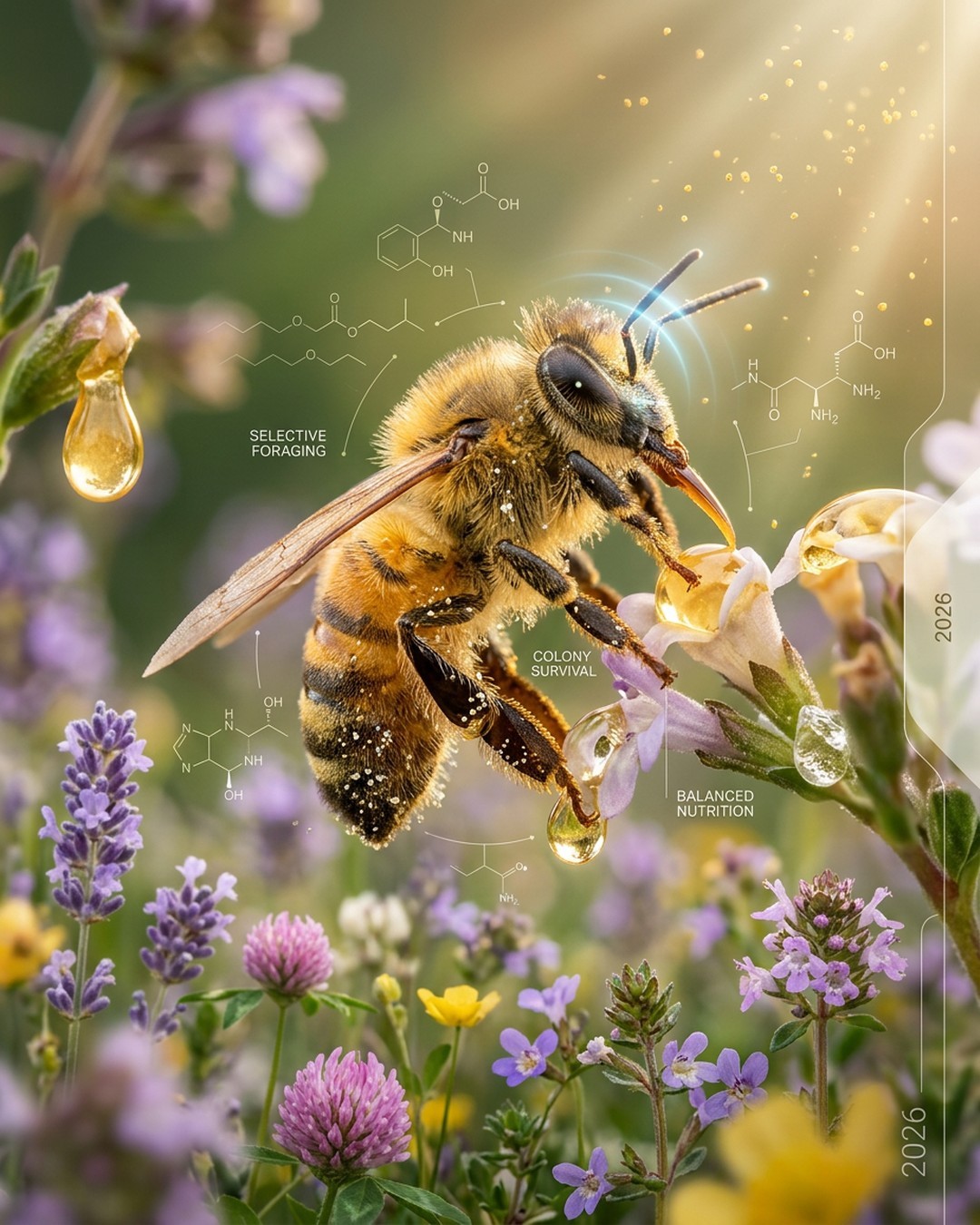
A study published on July 20, 2026, in Current Biology by the University of Oxford reveals that honeybees possess a sophisticated nutritional sensing mechanism. Contrary to the assumption that pollen is a perfect food, bees actively detect imbalances in essential amino acids and adjust their intake to avoid consuming harmful nutrient ratios. This discovery highlights the complex biological strategies bees use to maintain health and support larval development. The researchers emphasize that bees are not merely passive foragers but selective consumers. By analyzing pollen from 99 UK plant species, the team demonstrated that bees prioritize diets resembling their own tissue composition. When faced with high levels of specific amino acids like histidine, bees reduce their total food consumption, suggesting a protective feedback system that regulates appetite based on nutritional safety. Honeybee colonies further mitigate nutritional risks through collective processing. By gathering diverse pollen sources and converting them into glandular secretions like royal jelly, nurse bees create a balanced diet for larvae. This process effectively corrects the nutritional deficiencies inherent in individual flower species, a capability that wild bees lacking such social structures may not possess. These findings have significant implications for conservation and land management. To support pollinator health, it is essential to move beyond simple flower abundance and prioritize floral diversity. Providing a wide variety of pollen sources throughout the season is critical to ensuring bees can construct a nutritionally complete diet, thereby enhancing their resilience against environmental stressors.

핵심 포인트

01

🔹 Nutritional Sensing Mechanism

【📌 Key Finding】Bees possess a biological feedback system that detects imbalances in essential amino acids. 【🔸 Impact Factors】When histidine levels are disproportionately high compared to branched-chain amino acids (leucine and isoleucine), bees actively reduce their total intake of both protein and carbohydrates to avoid toxicity. 【⭐ Data Support】The study compared honeybee tissue composition against pollen from 99 UK plant species, confirming that most individual pollens do not match the nutritional requirements of the bees.

02

🔸 The Role of Social Processing

【📌 Key Finding】Honeybee colonies act as a nutritional buffer for their offspring. 【🔸 Impact Factors】Nurse bees consume diverse pollen sources and transform them into glandular secretions, such as royal jelly. 【⭐ Data Support】These secretions provide a more balanced essential amino acid profile than raw pollen, ensuring that developing larvae receive the precise nutrients required for optimal growth.

03

⭐ Wild Bee Vulnerability

【📌 Key Finding】Wild bees, including bumblebees and solitary species, face higher risks due to their lack of complex social processing. 【🔸 Impact Factors】Unlike honeybees, these species often feed pollen directly to offspring. 【⭐ Data Support】In landscapes with low floral diversity, these bees are forced to rely on limited pollen sources that may lack the necessary amino acid balance, potentially leading to developmental issues.

04

📊 Research Methodology

【📌 Key Finding】The study utilized controlled laboratory conditions to isolate the effects of amino acid profiles on bee behavior. 【🔸 Impact Factors】Researchers created artificial diets based on the amino acid composition of various pollens versus bee tissue. 【⭐ Data Support】Bees offered diets mimicking their own tissue composition showed higher protein selection, increased food intake, and greater body mass gain.

05

💡 Conservation Implications

【📌 Key Finding】Effective pollinator conservation requires a shift in strategy. 【🔸 Impact Factors】Planting initiatives must prioritize floral diversity over mere quantity. 【⭐ Data Support】Providing a broad menu of flowering species available throughout the entire season allows bees to mix and match pollen sources, enabling them to overcome the nutritional limitations of individual plants.

자신만의 마인드맵을 만들고 싶으신가요?

Neumap AI에 로그인하고 나만의 마인드맵 만들기를 시작하세요!

지금 시작하기