AI Agents in Behavioral Research

ScienceNews ArtificialIntelligence BehavioralResearch DigitalTwins LargeLanguageModels

요약

마인드맵 커버 이미지
AI 생성 커버 이미지

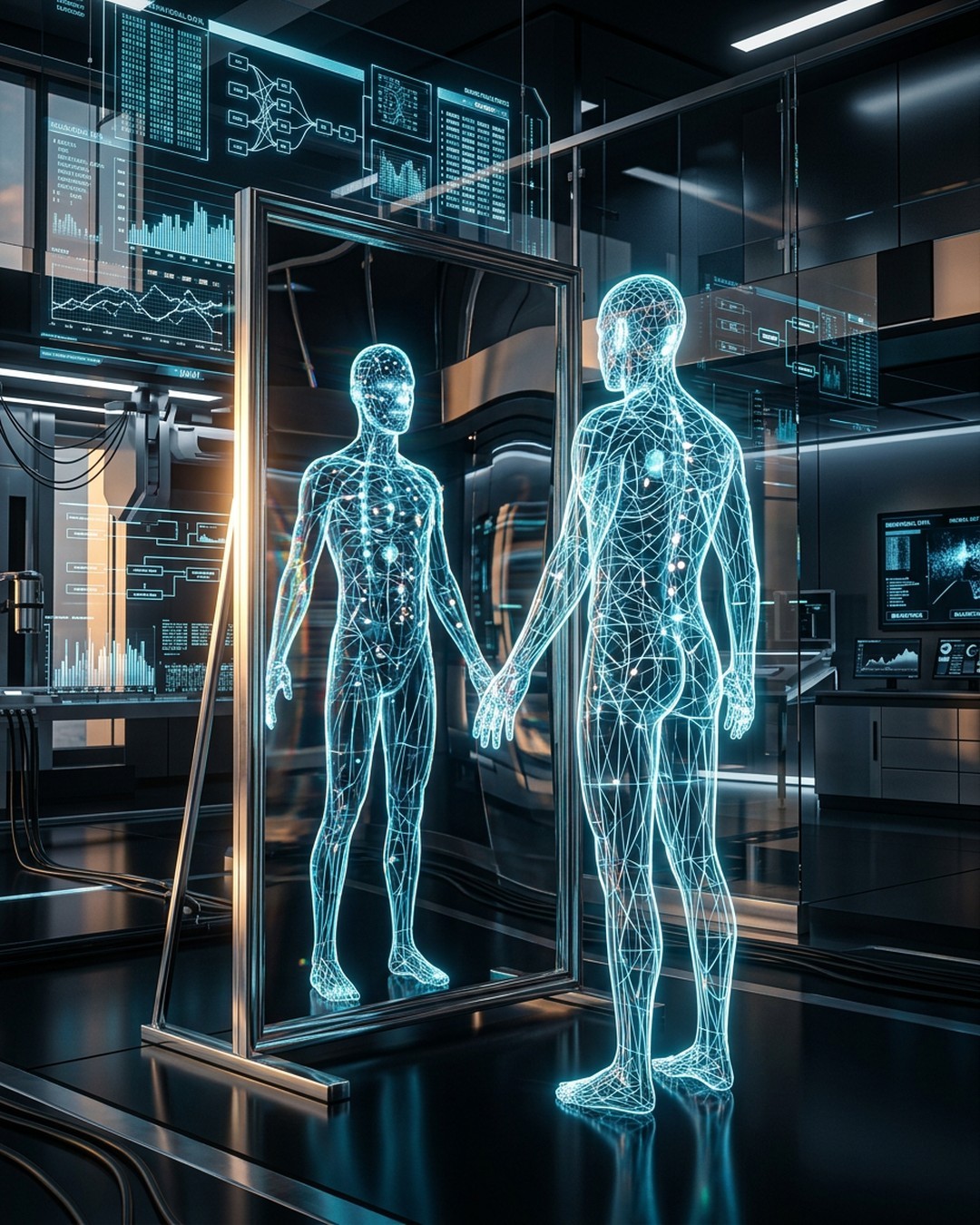
Recent research published on September 2 in Science Advances reveals that artificial intelligence agents, or digital twins designed to mimic human behavior, are not yet ready to completely replace human subjects in behavioral and social science research. Led by computational social scientist Olivier Toubia and his colleagues, the study evaluated digital twins generated by feeding extensive survey data from over 2,000 U.S. respondents into large language models to assess how accurately they could mirror individual human responses across 19 experiments. The authors emphasize that while these digital twins perform better than chance and outperform chatbots relying solely on demographic information by capturing real individual variations, they are still wrong on average about a quarter of the time. The primary finding indicates that AI surrogates distort human views, creating a funhouse mirror effect where responses become excessively homogenous, skewed toward demographic stereotypes, and artificially hyper-rational compared to actual human participants. The research highlights critical structural limitations in current large language models, including static questioning methodologies and biases toward higher trust in others and lower concern regarding technological threats. Despite these shortcomings, the authors note that digital twins hold practical value for pretesting experimental designs, saving human respondent bandwidth, and generating detailed essay-length responses where tired human subjects might provide single-sentence answers. Researchers such as Hadi Hosseini suggest that improving digital twins requires transitioning from static questioning to more dynamic approaches, such as continuous chatbot shadowing or regular conversational tracking. Ultimately, social scientists are urged to maintain realistic expectations regarding synthetic data, recognizing that predicting complex human behavior and psychological nuances through machine learning remains an extraordinary challenge.

핵심 포인트

01

🔹 Study Overview and Publication Details

Published on September 2 in Science Advances, research led by computational social scientist Olivier Toubia at Columbia Business School evaluated whether AI agents can replace human subjects in behavioral science research by testing digital twins generated from large language models.

02

🔸 Methodology and Dataset Foundation

Researchers utilized an open-source dataset from a previous Marketing Science study featuring over 2,000 U.S. respondents who answered more than 500 questions covering demographics, psychological scales, spending habits, political preferences, and cognitive biases.

03

⭐ Performance and Accuracy Findings

Digital twins performed better than random chance and surpassed chatbots equipped with demographic data alone by capturing individual response variations, yet they remained inaccurate approximately 25 percent of the time across 19 social science experiments.

04

📊 Identified Distortions and Biases

The study identified a funhouse mirror effect where AI twins exhibited homogenous responses, skewed toward demographic stereotypes, displayed excessive rationality, showed higher trust in others, and demonstrated less concern about technological threats compared to human surrogates.

05

💡 Practical Applications and Future Improvements

While not ready to fully replace humans, digital twins are useful for pretesting experimental designs and generating detailed responses; experts like Hadi Hosseini propose shifting from static questionnaires to dynamic approaches like daily chatbot shadowing to improve accuracy.

자신만의 마인드맵을 만들고 싶으신가요?

Neumap AI에 로그인하고 나만의 마인드맵 만들기를 시작하세요!

지금 시작하기