Natural Gut Compound UroA and IBD Treatment

scitechdaily health microbiome ibd urolithina

요약

마인드맵 커버 이미지
AI 생성 커버 이미지

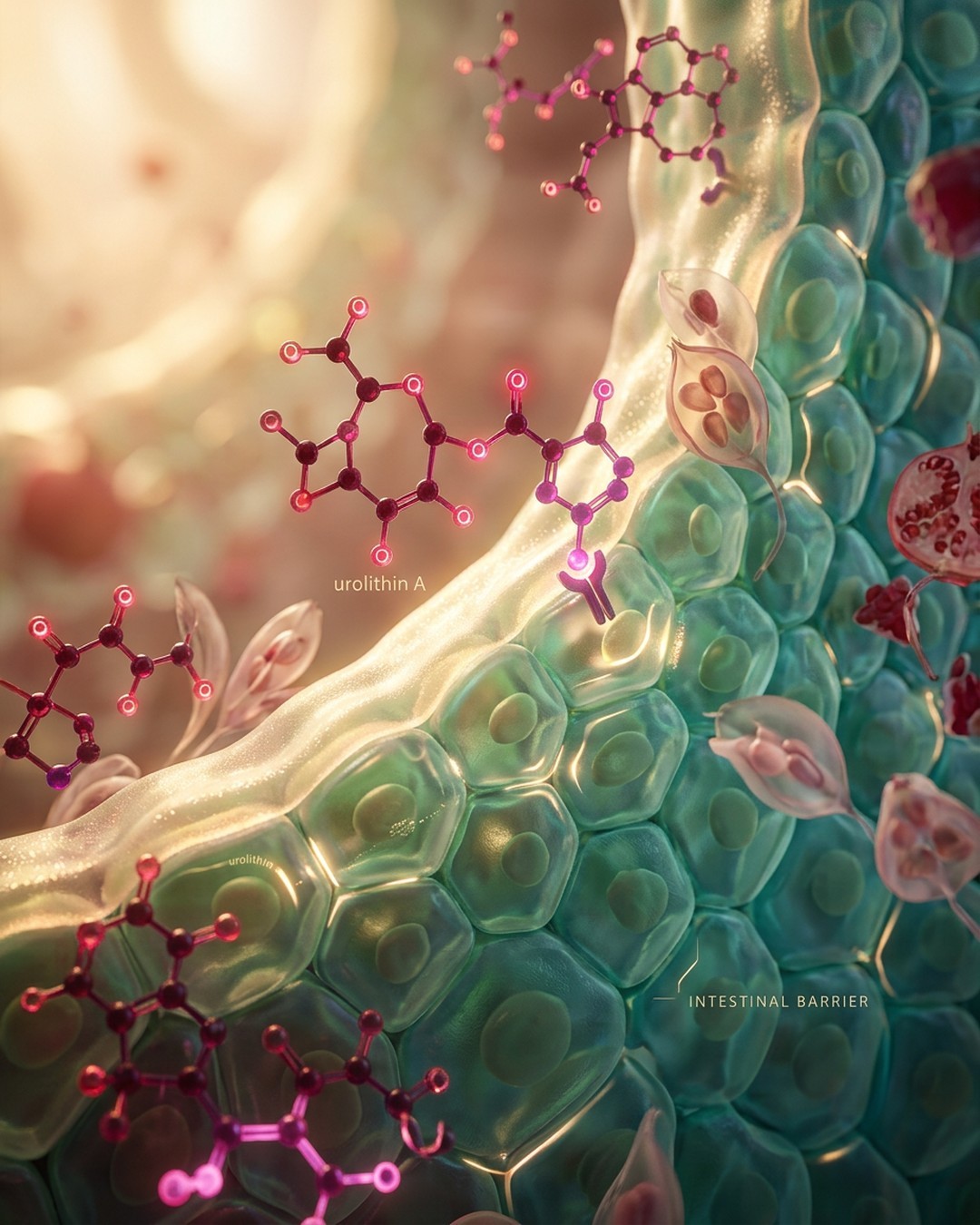
Researchers at the University of Louisville have discovered a diet-microbe signaling pathway involving urolithin A (UroA), a natural compound produced when gut bacteria break down ellagitannins and ellagic acid found in foods like pomegranates, walnuts, and berries. Published in Nature Communications on June 23, 2026, the study reveals that UroA activates the aryl hydrocarbon receptor (AHR) specifically in intestinal epithelial cells, subsequently turning on the NLRP6 inflammasome to promote targeted tissue repair, mucus production, and barrier strength rather than causing destructive inflammation. The authors emphasize a crucial paradigm shift in understanding mucosal immunity, demonstrating that specific inflammatory pathways can play a constructive, healing role when activated in the correct cellular context. Traditional treatments for inflammatory bowel disease (IBD) like Crohn's disease and ulcerative colitis rely on broad immunosuppression, which often compromises normal patient defenses and fails to address the underlying structural damage of a broken intestinal barrier. The essence of this strategic breakthrough lies in identifying how diet-microbe metabolites communicate directly with host cellular machinery to restore intestinal balance. Because individual gut microbiome compositions vary significantly among people consuming identical diets, future therapeutic developments will likely require personalized interventions focusing on specific microbial profiles or targeted metabolite delivery rather than simple dietary modifications. Practical applications of these findings point toward the development of precise pharmacological treatments and microbiome-targeted therapies for IBD patients. By harnessing the body's natural tissue repair mechanisms instead of relying solely on broad immunosuppressants, clinicians may soon offer treatments that actively restore gut barrier integrity and long-term mucosal health.

핵심 포인트

01

🔹 Discovery of Urolithin A Protective Pathway

Researchers at the University of Louisville identified that urolithin A (UroA), a microbial metabolite derived from dietary ellagitannins found in pomegranates, walnuts, and berries, protects damaged intestinal tissue by activating the aryl hydrocarbon receptor (AHR) in intestinal epithelial cells.

02

🔸 Mechanism of NLRP6 Inflammasome Activation

UroA specifically targets AHR to switch on the NLRP6 inflammasome within epithelial cells, shifting its function from a destructive inflammatory weapon into a controlled healing system that promotes mucus production, antimicrobial defense, and gut barrier strength.

03

⭐ Human Tissue Validation for IBD Treatment

Testing across cell studies, organoids, and intestinal tissue samples from patients with inflammatory bowel disease (IBD) confirmed that UroA activates the exact same protective pathway in human tissue, validating its relevance for treating conditions like Crohn's disease and ulcerative colitis.

04

📊 Microbiome Variability and Therapeutic Limitations

Because UroA is produced only when specific gut microbes transform plant compounds, individuals eating identical diets produce varying amounts of UroA, indicating that simple dietary changes alone cannot treat IBD and necessitating targeted microbial or metabolite therapies.

05

💡 Shift from Immunosuppression to Barrier Repair

Led by Venkatakrishna Rao Jala and published in Nature Communications on June 23, 2026, the study proposes that restoring intestinal balance through natural host repair pathways offers a superior therapeutic alternative to broad immunosuppressive drugs that weaken normal immune defenses.

자신만의 마인드맵을 만들고 싶으신가요?

Neumap AI에 로그인하고 나만의 마인드맵 만들기를 시작하세요!

지금 시작하기