Fat Before Carbs Reduces Blood Sugar Spikes

scitechdaily health diabetes nutrition kyoto-university

요약

마인드맵 커버 이미지
AI 생성 커버 이미지

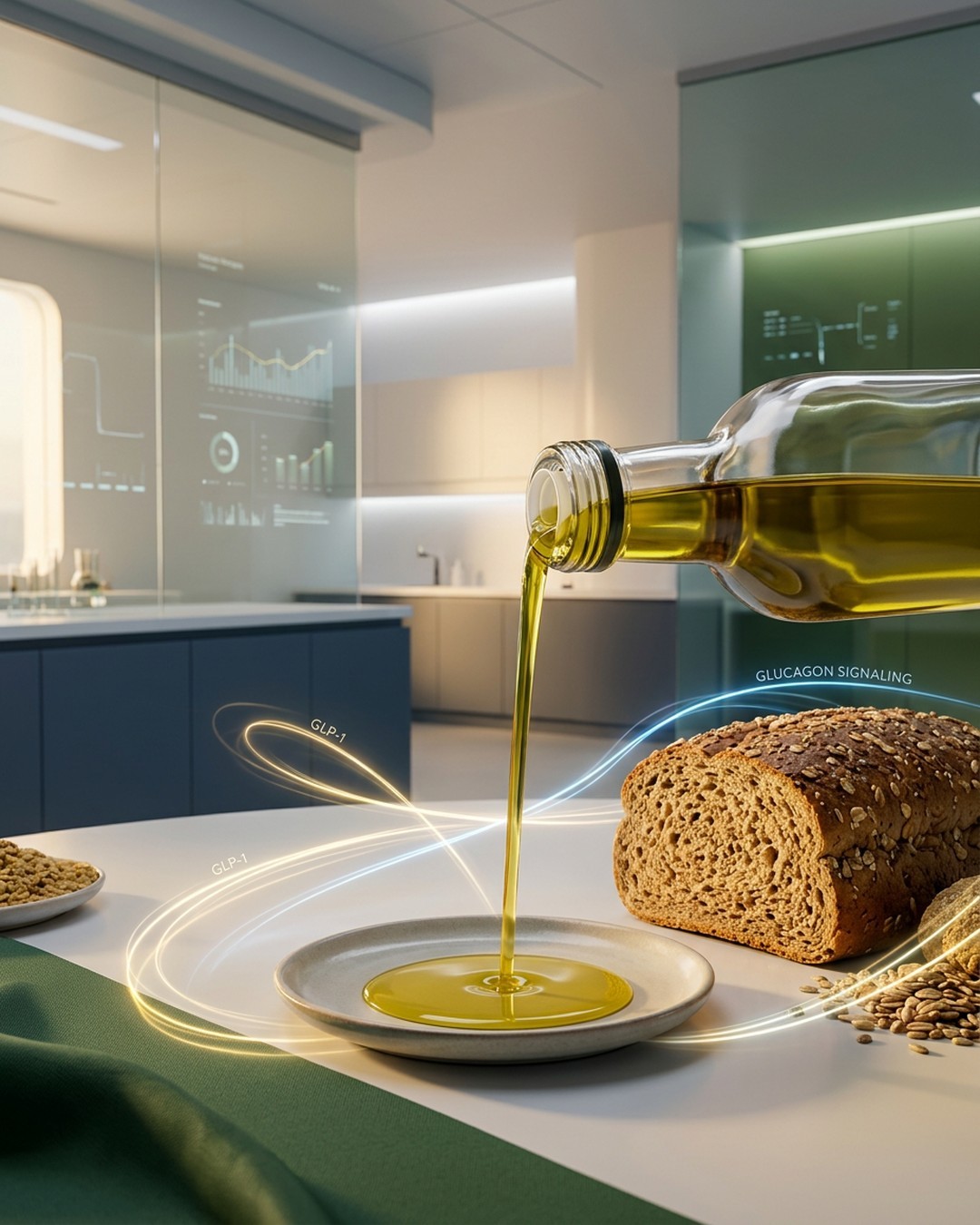
Recent scientific research published by Kyoto University on October 15, 2026, reveals the physiological mechanisms behind how eating fat before carbohydrates reduces post-meal blood sugar spikes. By conducting experiments on mice using olive oil followed by glucose, researchers demonstrated that fat reaching the gut first triggers a coordinated hormone and nerve response that delays gastric emptying and tempers blood glucose elevation. The study highlights the critical roles of glucagon and GLP-1 (glucagon-like peptide-1) signaling pathways, alongside vagal nerve pathways, working in a partially redundant manner to control glucose delivery to the intestine. These findings provide empirical support for meal sequencing as a practical dietary strategy for diabetes management and metabolic health without requiring the elimination of entire food groups. The research team, led by corresponding author Daisuke Yabe, established that administering dietary fats like olive oil prior to carbohydrates increases the early secretion of key metabolic hormones including glucagon, GIP (glucose-dependent insulinotropic polypeptide), and GLP-1. These effects were observed even in mice with type 2 diabetes and severe insulin deficiency, emphasizing the robust nature of this physiological response across different metabolic states. Practical application of these insights suggests that individuals, including those managing diabetes, can effectively moderate blood glucose levels by strategically altering the order of food consumption during meals. Future clinical investigations will focus on translating these hormone and nerve mechanisms into reliable guidelines for everyday human dietary habits and long-term metabolic health outcomes.

핵심 포인트

01

🔹 Kyoto University Study Overview

Published on October 15, 2026, by Kyoto University researchers led by Daisuke Yabe, a study published in the journal Diabetes reveals why consuming fat before carbohydrates mitigates post-meal blood sugar spikes by altering nutrient delivery speed to the intestine.

02

🔸 Physiological Mechanism of Meal Sequencing

Administering olive oil 15 minutes prior to glucose in fasted mice resulted in slower stomach emptying and a smaller early blood sugar rise compared to reversing the food order or consuming water first.

03

⭐ Hormone and Nerve Pathway Interaction

Giving fat first increased early secretion of glucagon, GIP, and GLP-1. Blocking both glucagon and GLP-1 signaling simultaneously eliminated the glucose-lowering effect, while vagal nerve pathways also contributed significantly to this coordinated response.

04

📊 Relevance to Type 2 Diabetes

The glucose-lowering effects and enhanced hormone secretion persisted even in mice models featuring type 2 diabetes and severe insulin deficiency, demonstrating broad therapeutic implications for metabolic disorders.

05

💡 Practical Dietary Implications

Meal sequencing offers a sustainable dietary intervention that modifies the order of food intake rather than restricting entire food groups, supporting easier everyday management for individuals with and without diabetes.

자신만의 마인드맵을 만들고 싶으신가요?

Neumap AI에 로그인하고 나만의 마인드맵 만들기를 시작하세요!

지금 시작하기