Antarctic Guides Quit Due to Tourism Damage

scitechdaily antarctica climate-change tourism-impact environmental-ethics

Samenvatting

Mindmap Omslagafbeelding
AI Gegenereerde Omslagafbeelding

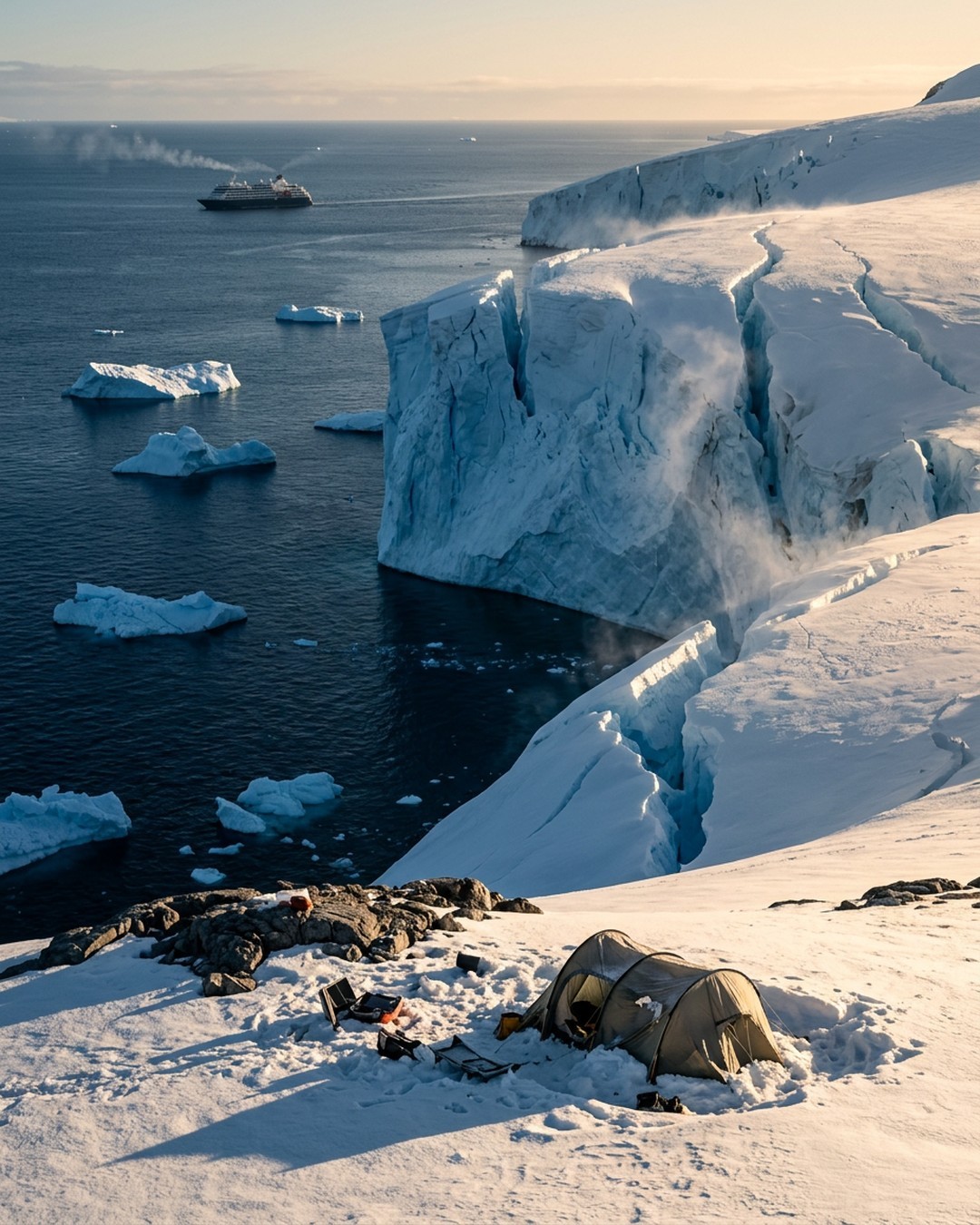
A study published on August 9, 2026, in the Annals of Tourism Research by researchers Zdenka Sokolickova, Elizabeth Cooper, and Christy Hehir reveals that numerous Antarctic tour guides are quitting their dream jobs due to profound moral conflicts regarding tourism-induced environmental damage. With over 120,000 tourist visits recorded in the 2025-26 season and projections reaching up to 450,000 summer visitors within a decade, these guides found themselves unable to reconcile their deep love for the pristine polar environment with the severe carbon dioxide emissions and ecological degradation driven by expanding polar tourism. The qualitative study, which interviewed 25 former Antarctic guides, highlights how witnessing climate change impacts firsthand—such as record high temperatures and rapid glacier calving—created intense psychological distress when contrasted with the celebratory ignorance of tourists. Rather than experiencing a single breaking point, the guides described a gradual, painful realization that their employment made them complicit in the destruction of the fragile ecosystems they sought to protect. The research emphasizes the heavy personal and emotional toll carried by workers whose livelihoods clash directly with their ethical values. Many participants reported physical symptoms of stress and persistent anxiety while working, noting that stepping away from their high-profile careers brought immense relief and restored their sense of personal integrity and well-being. Ultimately, the study suggests that true environmental stewardship sometimes demands walking away from cherished careers and unsustainable lifestyles. By highlighting the hidden human cost of environmental degradation, the findings encourage broader reflection on professional alignment with ecological preservation and the necessity of leaving vulnerable wilderness areas untouched.

Belangrijke punten

01

🔹 Rapid Growth of Antarctic Tourism

Antarctic tourism is experiencing unprecedented expansion, recording over 120,000 visits during the 2025-26 season with projections soaring up to 450,000 annual summer visitors within a decade. This rapid influx generates massive carbon dioxide emissions and places severe logistical and environmental pressures on fragile polar ecosystems, sparking intense debates about overtourism in remote wilderness areas.

02

🔸 Psychological Toll on Tour Guides

A study published on August 8, 2026, in Annals of Tourism Research by Zdenka Sokolickova, Elizabeth Cooper, and Christy Hehir surveyed 25 former tour guides who resigned from their dream jobs. The research reveals that guides suffered significant emotional distress, moral conflict, and physical stress symptoms while witnessing climate change impacts alongside unconcerned tourists.

03

⭐ The Contrast Between Reality and Tourism

Guides experienced profound cognitive dissonance when observing severe environmental degradation, such as historic high temperatures in 2020 and massive glacier calvings, while tour groups cheered obliviously. This disconnect between the stark reality of climate change and the celebratory nature of leisure cruises made continued employment morally untenable for the guides.

04

📊 Personal Cost and Relief of Resignation

The decision to quit was a gradual, painful process rather than an overnight choice, involving long-term reflection on personal integrity and future legacy. However, former guides reported experiencing immediate psychological relief and a restoration of well-being upon walking away from their unsustainable careers.

05

💡 Broader Environmental Implications

The study concludes that true environmental responsibility sometimes requires individuals to abandon unsustainable careers and remote travel sectors. For these former guides, protecting Antarctica ultimately meant leaving it alone, offering a powerful perspective on balancing professional life with ecological preservation.

Wilt u uw eigen mindmap maken?

Log in op Neumap AI en begin met het maken van uw eigen mindmaps!

Aan de Slag