ANO6 Weakness in Pancreatic Cancer

cancer-research pancreatic-cancer immunology nature-cancer fox-chase-cancer-center

Samenvatting

Mindmap Omslagafbeelding
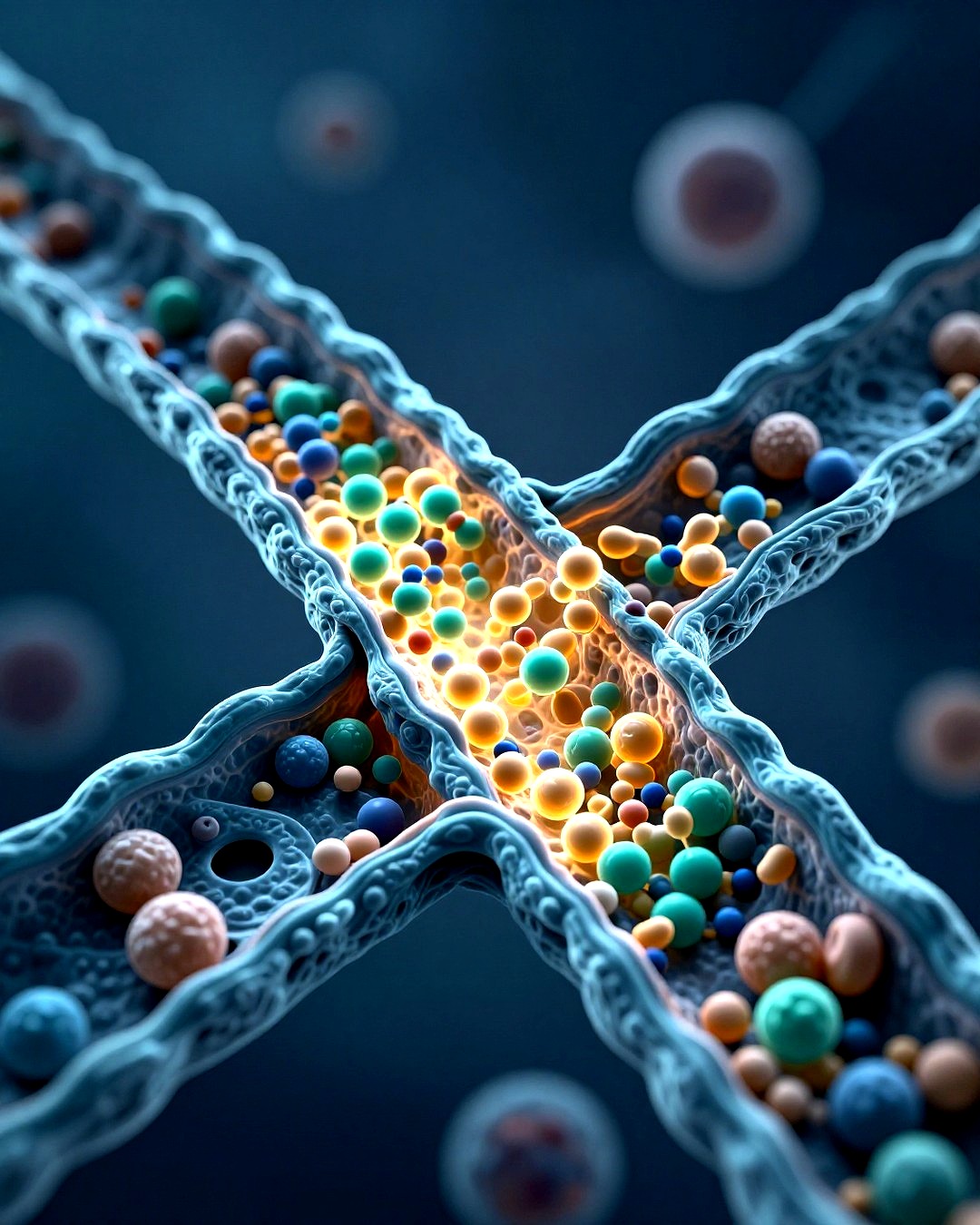
AI Gegenereerde Omslagafbeelding

Researchers at Fox Chase Cancer Center published a study in Nature Cancer identifying anoctamin 6 (ANO6) as a critical protein that controls lipid transfer and immune suppression in pancreatic ductal adenocarcinoma (PDAC). The study reveals that cancer-associated fibroblasts (CAFs) actively nourish pancreatic tumor cells with cholesterol and lipids via trogocytosis while simultaneously exhausting cancer-fighting cytotoxic T lymphocytes through the same mechanism. By targeting the ANO6 protein using existing drugs such as niclosamide or clofazimine, preclinical mouse models demonstrated significantly reduced tumor weight and restored immune cell activity against the cancer. These findings establish ANO6 as a promising therapeutic target to simultaneously cut off tumor nutrient supplies and overcome immune suppression, paving the way for future clinical translation.

Belangrijke punten

01

🔹 Pancreatic Cancer Lipid Acquisition Mechanism

【📌 Key Finding】Pancreatic ductal adenocarcinoma (PDAC) cells obtain essential cholesterol and lipids from cancer-associated fibroblasts (CAFs) despite dense surrounding tissue that compresses blood vessels. 【🔸 Impact Factors】This nutrient transfer occurs through trogocytosis, a process where cancer cells directly acquire membrane fragments containing lipids from CAFs during cell-to-cell contact. 【⭐ Data Support】Published in Nature Cancer on October 30, 2026, by researchers including Edna Cukierman and Igor Astsaturov from Fox Chase Cancer Center.

02

🔸 Role of Anoctamin 6 (ANO6) Protein

【📌 Key Finding】The transfer of cholesterol and lipids depends heavily on the protein anoctamin 6 (ANO6), which prepares the CAF membrane for successful exchange. 【🔸 Impact Factors】When researchers reduced or eliminated ANO6 expression in CAFs, the supporting cells became much less effective at promoting pancreatic cancer cell survival. 【⭐ Data Support】Mouse models showed that tumors supported by CAFs with functional ANO6 grew substantially faster than those lacking functional ANO6.

03

⭐ Immune System Suppression and T-Cell Exhaustion

【📌 Key Finding】The same lipid transfer mechanism driven by CAFs interferes with cytotoxic T lymphocytes (CTLs), which are responsible for recognizing and destroying cancer cells. 【🔸 Impact Factors】When T cells contact CAFs, they acquire cholesterol-containing membrane material, leading to excess cholesterol accumulation and immune cell exhaustion. 【⭐ Data Support】Exhausted T cells become significantly less effective at fighting cancer, allowing tumors to evade immune surveillance.

04

📊 Preclinical Therapeutic Intervention with Existing Drugs

【📌 Key Finding】Targeting ANO6 with specific pharmacological treatments successfully disrupted both tumor-nourishing and immune-suppressive functions simultaneously. 【🔸 Impact Factors】Treatment with existing drugs niclosamide or clofazimine significantly reduced tumor weight in mouse models. 【⭐ Data Support】Niclosamide specifically decreased cholesterol delivery to pancreatic cancer cells and reduced cholesterol accumulation in tumor-infiltrating T cells.

05

💡 Unification of Decade-Long Research and Future Outlook

【📌 Key Finding】The discovery of ANO6 acts as the missing mechanistic link uniting nearly a decade of research into the stromal synapse-mimicry circuit surrounding pancreatic tumors. 【🔸 Impact Factors】The identified drugs could potentially be investigated for treating other difficult and aggressive cancers beyond PDAC. 【⭐ Data Support】While preclinical results in mice are highly promising, further clinical research is required to evaluate safety and efficacy in human patients.

Wilt u uw eigen mindmap maken?

Log in op Neumap AI en begin met het maken van uw eigen mindmaps!

Aan de Slag