Why Physicians Are Losing Their Friends and How to Maintain Social Connections

Medscape PhysicianWellBeing DoctorFriendships MentalHealth MedicalBurnout

Samenvatting

Mindmap Omslagafbeelding
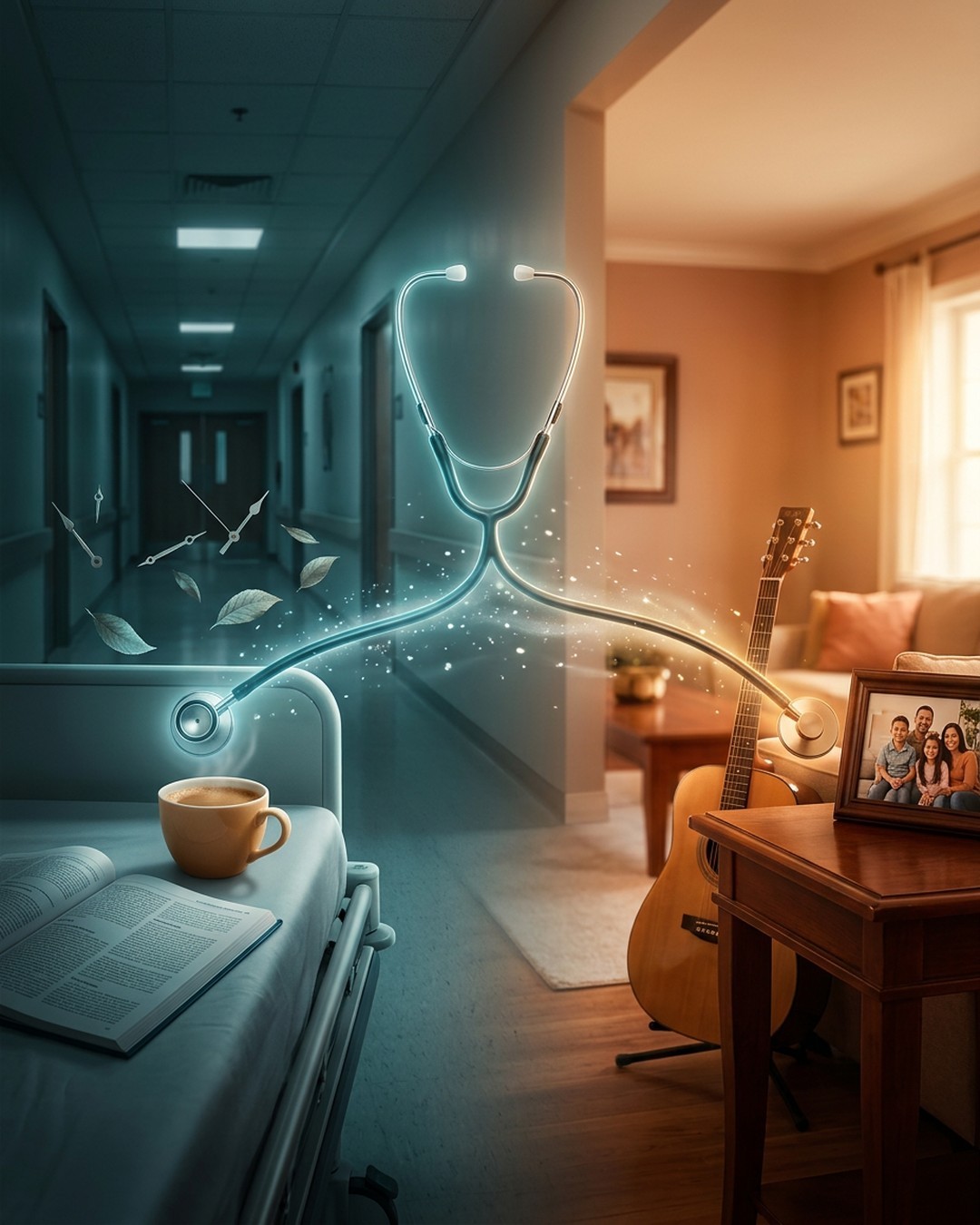
AI Gegenereerde Omslagafbeelding

Published in 2026, Medscape reports that 8 in 10 physicians state their friendships have stayed the same or worsened, while only 16 percent report improvement due to demanding medical careers. Loneliness among doctors poses severe health risks comparable to smoking up to 15 cigarettes a day, directly contributing to burnout, anxiety, and chronic illnesses. Experts emphasize that strong social connections are critical for emotional health, helping physicians decompress, share professional trauma, and find joy outside the hospital environment. Despite being surrounded by people all day, emergency physicians and clinical staff struggle with isolation, irregular schedules, and canceled social plans. Building and maintaining relationships requires deliberate intentionality, such as stepping away from purely work-related conversations, utilizing brief digital check-ins during hectic shifts, and actively engaging in nonmedical hobbies. Younger physicians increasingly prioritize work-life balance and emotional wellness compared to previous generations of medical professionals. Cultivating friendships both within medicine for peer support and outside medicine for broader life perspective is essential for long-term career sustainability. Doctors who invest time in community groups, music, sports, and family life significantly reduce burnout and enhance their overall quality of life.

Belangrijke punten

01

🔹 Medscape 2026 Survey Findings on Physician Friendships

【📌 Statistical Reality】 Medscape's Mental Health & Well-Being Report 2026 revealed that 8 in 10 surveyed doctors reported their friendships have stayed the same or worsened. 【🔸 Strained Relationships】 Only 16 percent of physicians indicated that their friendships have improved over time. 【⭐ Career Impact】 Busy medical careers and demanding work schedules frequently cause physicians' social relationships to deteriorate.

02

🔸 The Severe Health Risks of Physician Loneliness

【📌 Loneliness Epidemic】 Gregory Scott Brown, MD, noted that loneliness correlates with higher risks of chronic illnesses, elevated blood pressure, and generalized anxiety. 【⭐ Mortality Impact】 The US Surgeon General equated the mortality impact of being socially disconnected to smoking up to 15 cigarettes daily. 【⚖️ Burnout Correlation】 Overworked physicians lacking social support face significantly heightened rates of professional burnout and emotional exhaustion.

03

⭐ The Unique Challenges Doctors Face in Maintaining Social Ties

【📌 Chronic Isolation】 Emergency physician Jeff Goodloe, MD, highlighted the irony that doctors are surrounded by people all day, but interactions remain strictly work-related. 【🔸 Unpredictable Schedules】 Frequent dinner cancellations and emergency hospital call-ins make doctors difficult friends to maintain relationships with. 【💡 Insular Lifestyle】 The intense clinical environment creates a parallel universe that makes separating work and personal life exceptionally difficult.

04

📊 The Dual Necessity of Peer and Nonmedical Friendships

【📌 Medical Peers】 Brian Garibaldi, MD, emphasized that physician friends understand unique medical traumas, such as losing a patient or medical errors. 【🔵 Nonmedical Friends】 Friendships outside medicine through running clubs, church groups, or community activities provide essential grounding, perspective, and balance. 【⚖️ Holistic Well-Being】 Engaging in nonmedical hobbies like playing guitar or softball helps doctors unplug and prevents overly insular thinking.

05

💡 Intentional Strategies for Building and Preserving Relationships

【📌 Deliberate Action】 Doctors must be intentional about scheduling social time and consciously talking about non-work interests like hobbies and family. 【🔄 Practical Maintenance】 Utilizing quick text messages during busy shifts, such as sending a note to family or friends, helps preserve relationships despite demanding hours. 【📈 Generational Shift】 Younger physicians and residents increasingly reject 60-hour workweeks to prioritize personal wellness, mental health, and meaningful relationships.

Wilt u uw eigen mindmap maken?

Log in op Neumap AI en begin met het maken van uw eigen mindmaps!

Aan de Slag