Blood Test for Biological Organ Age

StanfordMedicine Longevity Biomarkers AgingResearch Proteomics HealthTech

Resumo

Imagem de Capa do Mapa Mental
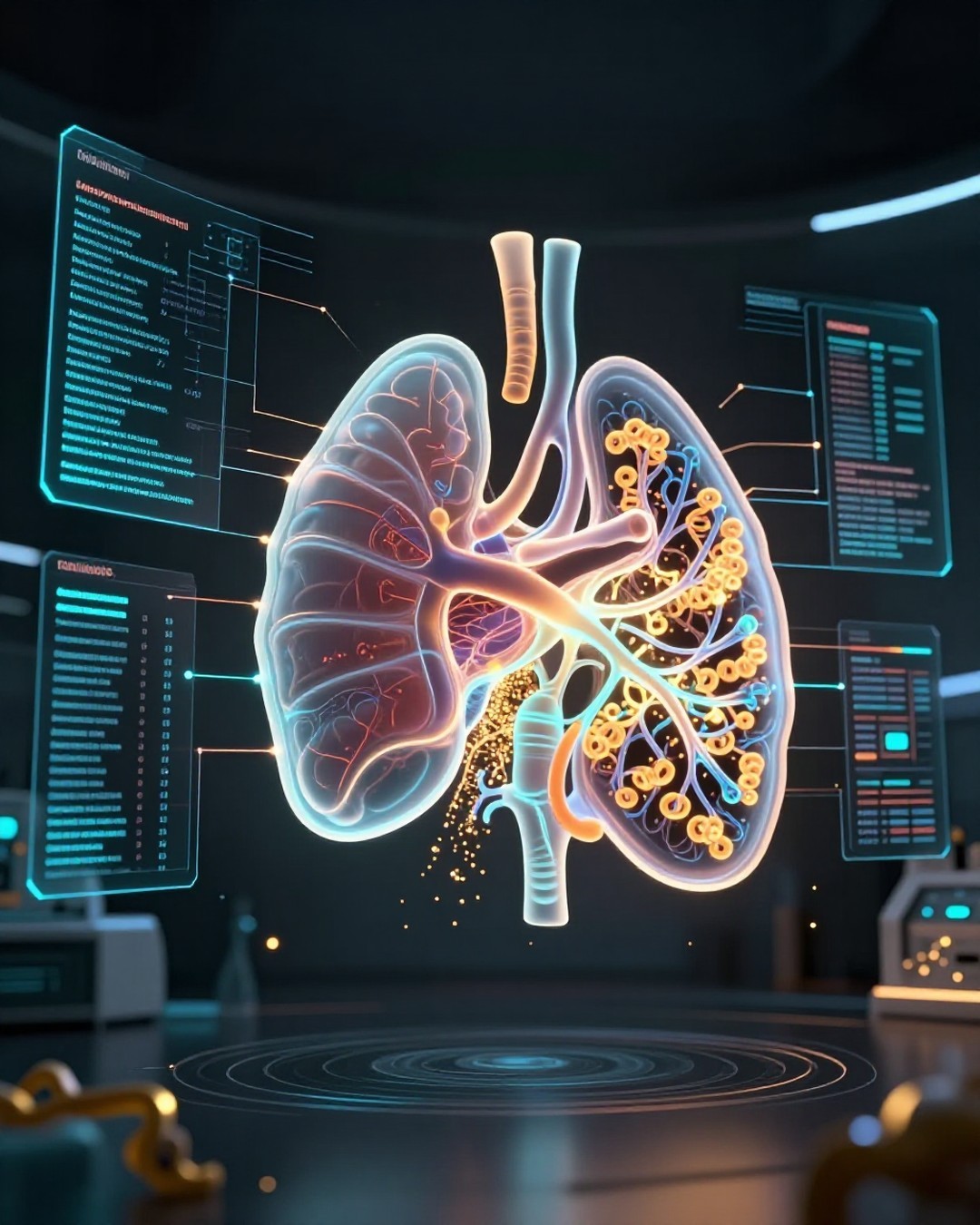
Imagem de Capa Gerada por IA

Stanford Medicine researchers have developed a groundbreaking blood test capable of estimating the biological age of 11 distinct organ systems, including the brain, heart, and lungs. By analyzing nearly 3,000 proteins in blood samples from 44,498 participants, the study demonstrates that organs age at different rates, and identifying 'extremely aged' organs can predict future disease risks years before clinical symptoms manifest. The research team, led by Dr. Tony Wyss-Coray, emphasizes that the brain acts as a primary 'gatekeeper of longevity.' The study reveals that individuals with biologically older brains face a significantly higher risk of Alzheimer's disease and overall mortality, while youthful organ profiles serve as protective factors. This shift from reactive 'sick care' to proactive 'health care' allows for early intervention strategies. The methodology utilizes an advanced algorithm to compare individual protein patterns against age-adjusted averages. When an organ's biological age deviates by more than 1.5 standard deviations, it is classified as 'extremely aged' or 'extremely youthful.' This classification provides a precise biomarker for assessing systemic health and individual susceptibility to specific chronic conditions. This diagnostic tool offers immense potential for personalized medicine, enabling clinical trials to test lifestyle interventions and drug therapies aimed at restoring youthful organ profiles. While currently in the research phase, commercialization efforts are underway, with potential availability for clinical use within the next two to three years.

Pontos-chave

01

🔹 Organ-Specific Biological Aging

The study identifies that the body does not age as a single unit; instead, 11 major organ systems—brain, muscle, heart, lung, arteries, liver, kidneys, pancreas, immune system, intestine, and fat—follow unique biological clocks. Researchers used an algorithm to analyze nearly 3,000 blood proteins to estimate the biological age of these systems, finding that one-third of participants had at least one organ deviating significantly from their chronological age.

02

🔸 The Brain as a Longevity Gatekeeper

【📌 Key Finding】Brain age is the strongest predictor of overall mortality and Alzheimer's disease risk. 【🔸 Impact Factors】Individuals with 'extremely aged' brains are 12 times more likely to receive an Alzheimer's diagnosis within a decade. 【⭐ Data Support】Participants with biologically old brains showed a 182% higher risk of death over 15 years, whereas those with youthful brains experienced a 40% lower mortality risk.

03

⭐ Predictive Disease Modeling

The algorithm successfully links current biological organ age to future health outcomes. For instance, an 'extremely aged' heart correlates with higher risks of atrial fibrillation or heart failure, while older lungs are linked to chronic obstructive pulmonary disease (COPD). This predictive capability allows for early medical intervention before the onset of debilitating symptoms.

04

📊 Research Methodology and Scale

The study analyzed 44,498 UK Biobank participants aged 40 to 70, tracked over 17 years. By measuring protein patterns, the team established a baseline for 'normal' aging. Organs were categorized as 'extremely aged' or 'extremely youthful' if their protein signatures deviated by more than 1.5 standard deviations from the age-adjusted average, providing a robust statistical framework for health assessment.

05

💡 Future Clinical Applications

The research aims to transition medicine from reactive treatment to proactive health management. Future applications include: 1) Testing longevity interventions (diet, lifestyle, drugs) on specific organ ages; 2) Early screening for diseases like ALS and Alzheimer's; 3) Commercializing the test via companies like Teal Omics and Vero Bioscience, with expected availability in 2-3 years.

Quer criar seu próprio mapa mental?

Faça login no Neumap AI e comece a criar seus próprios mapas mentais!

Começar