New Research Challenges Exercise Advice for Bone Health

scitechdaily bone-health sports-medicine osteoporosis fitness-research

Summary

Mind Map Cover Image
AI Generated Cover Image

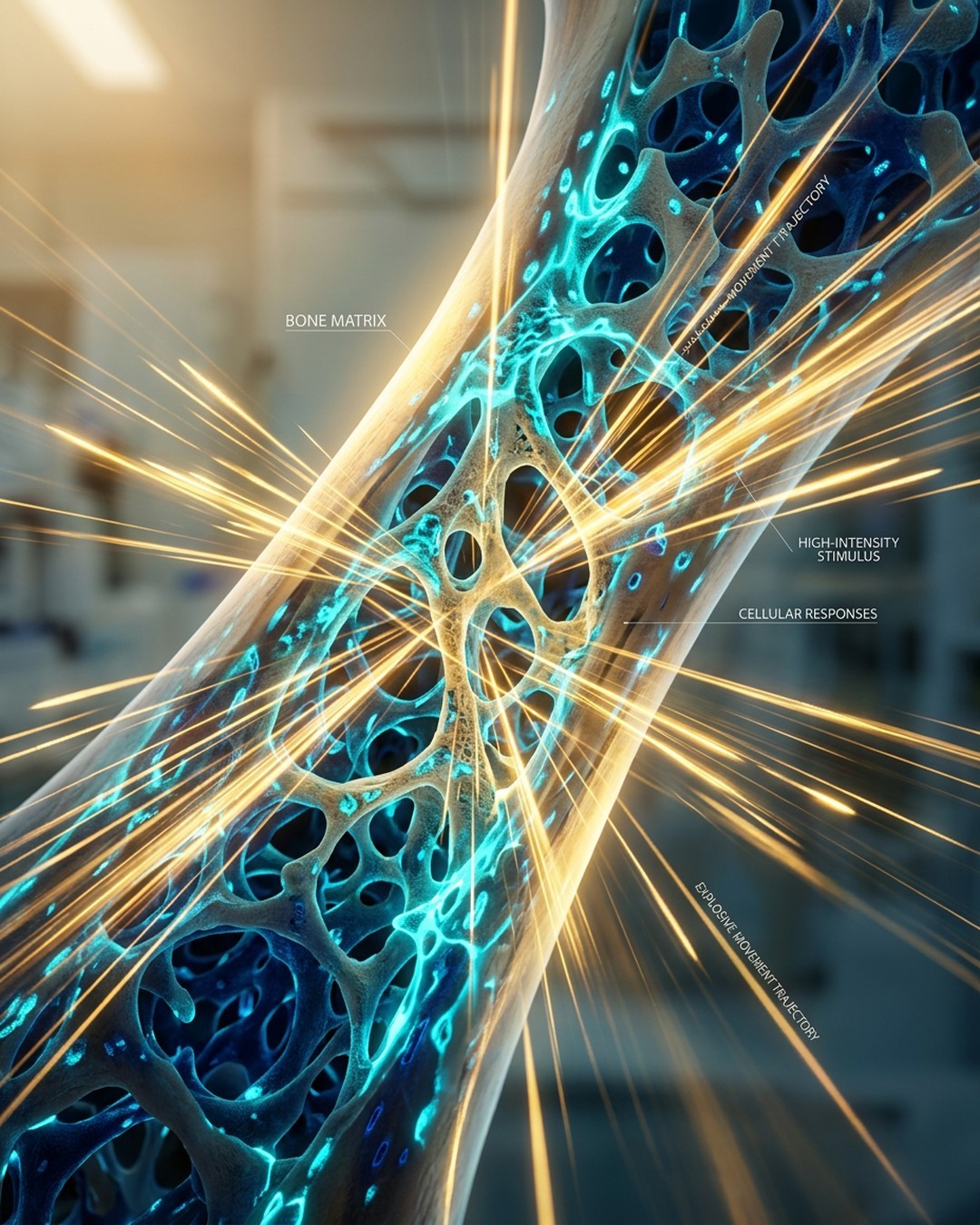
A study published on August 14, 2026, in Sports Medicine—Open by researchers at Semmelweis University challenges conventional exercise guidelines by revealing that high-intensity activities involving explosive movements, sharp turns, and rapid directional changes stimulate bone metabolism significantly better than traditional endurance or resistance workouts. Reviewing 24 clinical studies involving 1,238 healthy adults, the researchers analyzed blood biomarkers indicating early bone formation rather than waiting for long-term mineral density changes. The study's senior author, Dr. Péter Ferdinandy, and first author Viktória Barna discovered that recreational sports like football and handball caused increases of 45 to 46 percent in blood markers associated with bone formation. Conversely, conventional resistance training and low-to-moderate endurance exercises like walking and jogging failed to produce a statistically significant impact on these specific bone metabolism markers. These findings demonstrate that mechanical stimulus intensity and specific movement patterns play a more critical role in maintaining bone strength and preventing osteoporosis than total exercise volume. While walking and resistance training retain other health benefits, protecting bone density over time may require specialized high-intensity routines that apply adequate multidirectional stress to the skeletal system. Individuals, particularly those with pre-existing cardiovascular, musculoskeletal, or metabolic conditions and osteoporosis, must exercise caution and consult medical professionals before suddenly adopting high-intensity exercise regimens. Healthcare providers can use these insights to design more effective, evidence-based physical activity programs tailored to support healthy aging and combat bone loss.

Key Points

01

🔹 Study Overview and Publication Details

【📌 Key Finding】Published on August 14, 2026, in Sports Medicine—Open by Semmelweis University researchers. 【🔸 Scope】Reviewed 24 clinical studies involving 1,238 healthy adults. 【⭐ Biomarker Focus】Examined blood biomarkers indicating early bone formation instead of waiting for long-term changes in bone mineral density.

02

🔸 Impact of Explosive Movements on Bone Formation

【📌 Key Finding】High-intensity sports featuring explosive movements and rapid directional changes produced the strongest osteogenic response. 【⭐ Specific Data】Recreational football and handball were associated with 45 to 46 percent increases in blood substances linked to new bone formation. 【🔸 Mechanism】Rapid changes of direction and sharp turns provide the mechanical stimulus necessary to stimulate bone metabolism effectively.

03

⭐ Challenging Conventional Exercise Advice

【📌 Unexpected Result】Resistance training and traditional low-to-moderate endurance exercises like walking or jogging showed no meaningful long-term effect on bone metabolism markers. 【🔸 Professional Guidelines Reassessment】Contradicts several professional guidelines that recommend standard resistance training or simple walking for bone health preservation. 【⭐ Core Implication】Bones require a stronger and more dynamic mechanical stimulus than standard moderate exercise provides when the specific goal is preserving skeletal strength.

04

📊 Clinical Implications for Healthy Aging

【📌 Prevention Potential】High-intensity exercise triggers early beneficial changes in bone formation that can help slow bone loss and support healthy aging. 【🎯 WHO Alignment】Supplements World Health Organization recommendations by emphasizing that low-intensity exercise alone is insufficient for stimulating bone metabolism. 【⭐ Future Application】Provides an empirical foundation for designing evidence-based exercise programs targeted at osteoporosis prevention.

05

💡 Safety Precautions and Medical Consultation

【📌 Risk Warning】Individuals should not begin demanding high-intensity exercise suddenly or without adequate preparation. 【⚠️ Vulnerable Groups】Caution is critical for people with cardiovascular, musculoskeletal, or metabolic conditions, as well as those with established osteoporosis. 【⭐ Expert Advice】Patients must consult a treating physician, general practitioner, or sports medicine specialist before increasing training intensity to confirm safety.

Want to create your own mindmap?

Login to Neumap AI and start creating your own mindmaps!

Get Started