Best Exercises for Aging Joints (July 2026)

health aging exercise joint-health osteoarthritis fitness

Summary

Mind Map Cover Image
AI Generated Cover Image

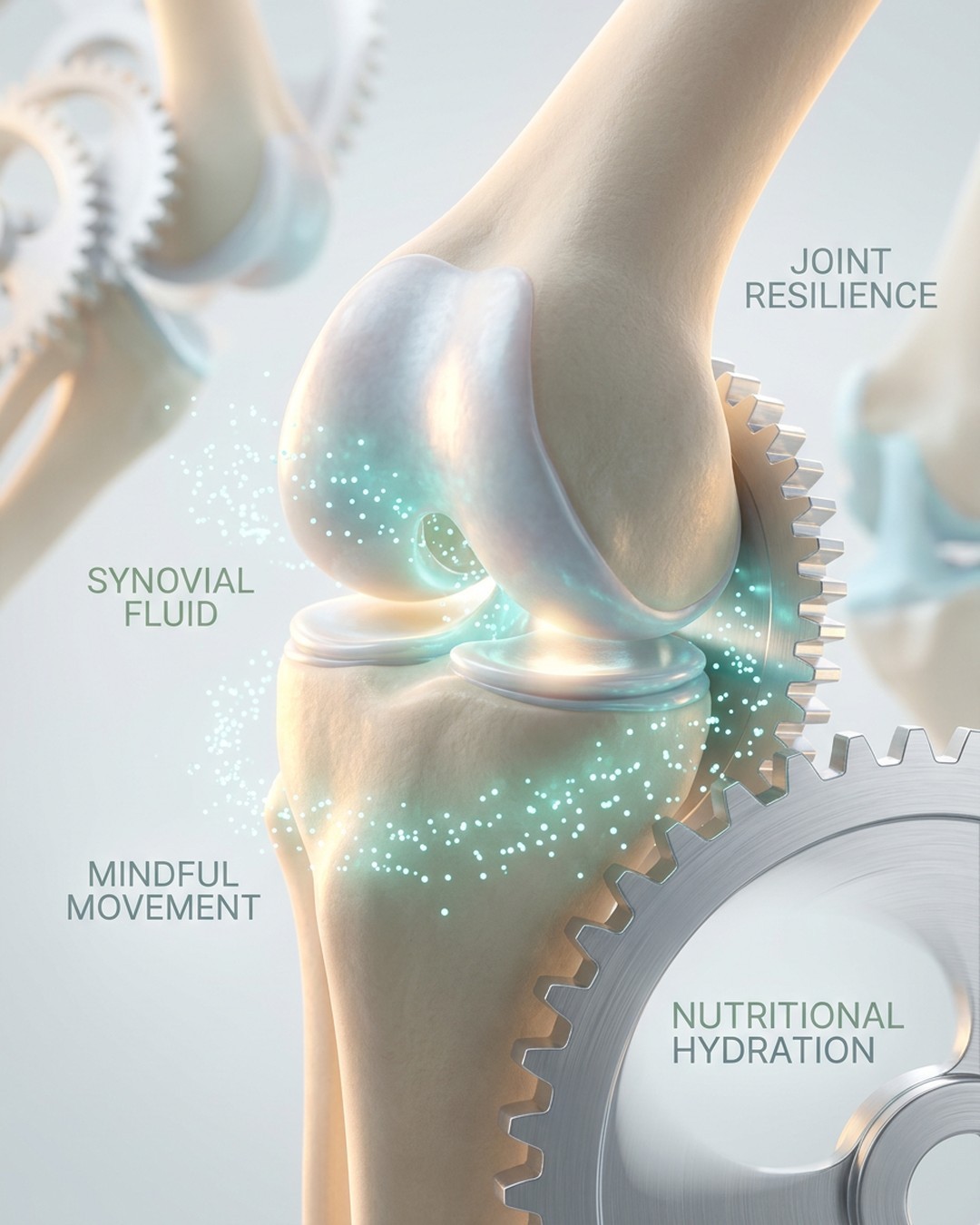
Aging naturally leads to a decline in cartilage and synovial fluid, which often causes joint pain and mobility issues. Contrary to the belief that exercise accelerates joint wear, scientific evidence indicates that targeted movement is essential for maintaining joint health, reducing discomfort, and preserving mobility in older adults. The author emphasizes that exercise facilitates the distribution of synovial fluid, which provides critical nutrients to cartilage. Furthermore, strengthening muscles around joints acts as a shock-absorbing mechanism, significantly reducing the mechanical load on weight-bearing joints like the knees and hips. Key strategies for joint-friendly aging include low-impact activities such as swimming, cycling, and Tai chi, alongside balance training to improve proprioception. Engaging in exercises on uneven surfaces can further enhance postural control and reduce the risk of falls, which are a leading cause of injury in the elderly population. Practical application involves starting with simple, low-impact movements, utilizing support structures for safety, and consulting with certified exercise physiologists to design personalized programs. Consistent, moderate activity is recommended regardless of age to counteract the inevitable effects of joint aging.

Key Points

01

🔹 Biological Impact of Aging on Joints

【📌 Key Finding】Aging causes a natural reduction in articular cartilage and synovial fluid. 【🔸 Impact Factors】Cartilage lacks a direct blood supply, making self-repair difficult. 【⭐ Data Support】Osteoarthritis currently affects more than 500 million people globally, primarily impacting weight-bearing joints like the knees, hips, and spine.

02

🔸 Mechanisms of Exercise-Induced Joint Protection

【📌 Key Finding】Movement is necessary to distribute synovial fluid, which lubricates joints and delivers nutrients to cartilage. 【🔸 Impact Factors】Strengthening the quadriceps (thigh muscles) acts as a shock absorber, reducing pressure on the knee joint. 【⭐ Data Support】A Cochrane review confirms that exercise reduces pain and improves function in knee osteoarthritis patients, offering benefits comparable to anti-inflammatory drugs without the associated side effects.

03

⭐ Proprioception and Balance Training

【📌 Key Finding】Proprioception (the body's sense of position) declines with age, leading to uneven weight distribution on joints. 【🔸 Impact Factors】Training on uneven surfaces (grass, sand, gravel) forces joints to adjust, maintaining flexibility and reducing wear. 【⭐ Data Support】Balance-focused exercises have been shown to reduce fall rates by approximately 23% in older adults.

04

📊 Recommended Low-Impact Exercises

【📌 Key Finding】Low-impact activities minimize force on joints while maintaining mobility. 【🔸 Categories】Swimming/Water Aerobics (supports up to 90% of body weight) / Cycling (beneficial for knee health) / Tai chi (as effective as physical therapy for knee osteoarthritis) / Yoga (improves flexibility and muscle strength).

05

💡 Practical Implementation Guidelines

【📌 Key Finding】Safe exercise requires a structured approach. 【🔸 Steps】1. Start small by walking on uneven surfaces for 10 minutes. 2. Use support (park benches, bathroom vanities, or walking poles) to ensure safety. 3. Consult a certified exercise physiologist or physiotherapist to design a tailored program that avoids poor form, such as improper deep squats or lunges.

Want to create your own mindmap?

Login to Neumap AI and start creating your own mindmaps!

Get Started