Antarctic Meltwater and Glacier Acceleration

Antarctica ClimateChange Glaciology SeaLevelRise HokkaidoUniversity NatureCommunications

Summary

Mind Map Cover Image
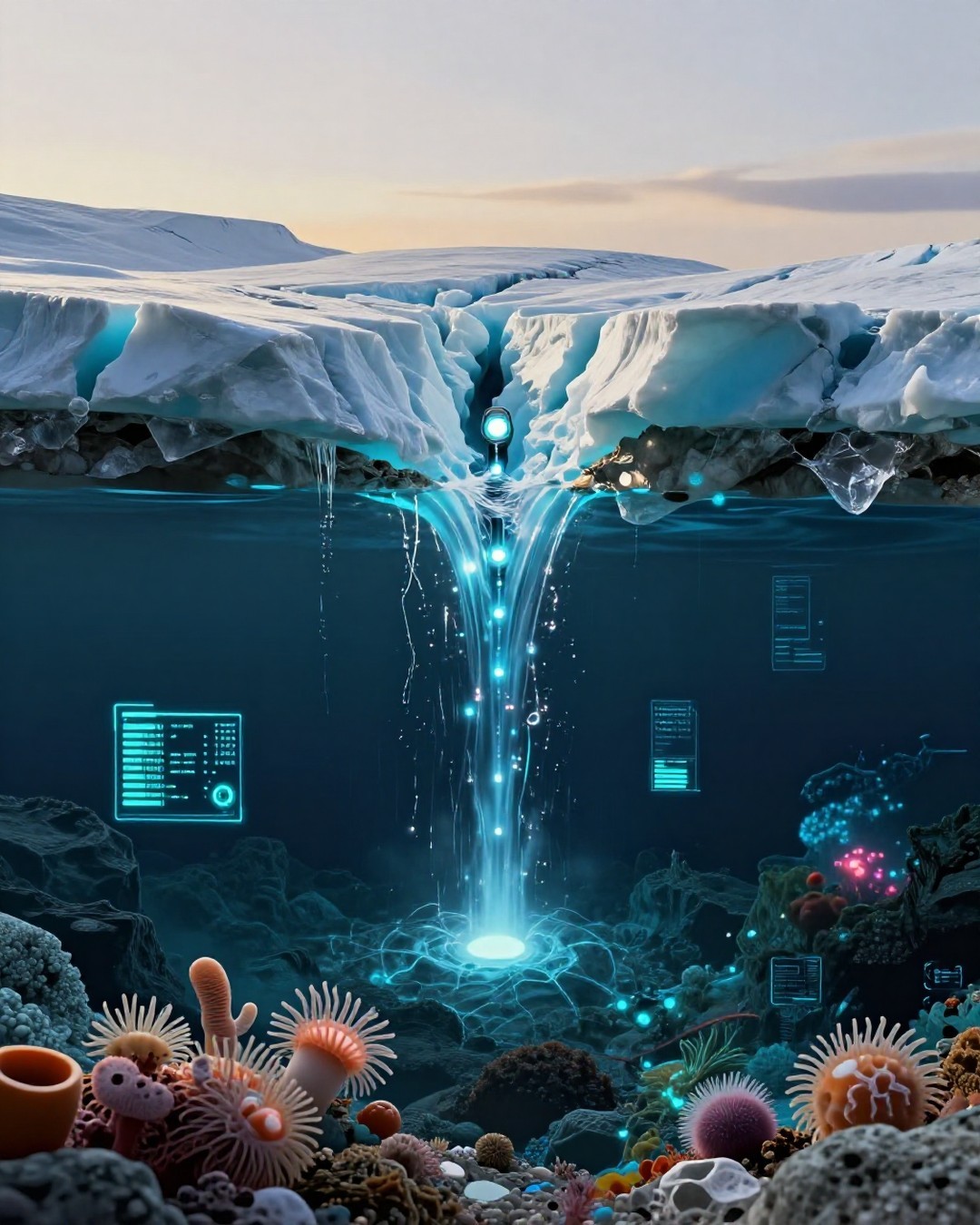
AI Generated Cover Image

Researchers have provided the first direct evidence that surface meltwater reaches the base of East Antarctic glaciers, significantly accelerating their movement toward the ocean. By drilling over 550 meters into the Langhovde Glacier, the team confirmed that meltwater creates high-pressure conditions at the glacier bed, reducing friction and causing the ice to slide faster. Professor Shin Sugiyama and his team emphasize that this mechanism, previously observed in Greenland and Alaska, is now confirmed in Antarctica. The study highlights that as climate change intensifies surface melting, the resulting increase in basal water pressure will likely accelerate ice discharge, posing a critical threat to global sea levels. The research, published in Nature Communications on May 6, 2026, utilized hot-water drilling and specialized sensors to bypass the limitations of satellite observation. The findings reveal that during peak melting or rare rainfall events, water pressure can support up to 97% of the ice weight, leading to a 10-20% increase in sliding velocity. Beyond glaciology, the study discovered a hidden ecosystem beneath the ice, including sea anemones and sponges, demonstrating life's resilience in extreme environments. These results serve as a vital warning for low-elevation coastal populations regarding the accelerating pace of global sea-level rise.

Key Points

01

🔹 Direct Evidence of Basal Meltwater Acceleration

Researchers drilled 550 meters into the Langhovde Glacier in East Antarctica to confirm that surface meltwater reaches the glacier bed. This process, known as hydrofracturing, allows water to descend through cracks, increasing basal water pressure and reducing friction between the ice and bedrock, which directly accelerates glacier sliding by 10-20%.

02

🔸 Quantitative Impact of Meltwater Pressure

During periods of intense surface melting and rare rainfall events, such as in January 2022, sensors detected that basal water pressure supported up to 97% of the ice's weight. This high pressure effectively lifts the glacier, significantly decreasing the frictional resistance that would otherwise hold the ice in place.

03

⭐ Global Implications for Sea-Level Rise

The Antarctic ice sheet contains 90% of the world's glacier ice, which, if fully melted, would raise sea levels by approximately 60 meters. The study confirms that as the climate warms, increased surface meltwater will lead to higher rates of ice discharge into the ocean, creating an urgent risk for low-elevation coastal societies.

04

📊 Research Methodology and Technical Innovation

The study, published on May 6, 2026, in Nature Communications, utilized hot-water jet drilling to reach the glacier bed. This allowed for the deployment of cameras and pressure sensors in areas previously inaccessible to satellite monitoring, providing the first direct, ground-level confirmation of this acceleration mechanism in Antarctica.

05

💡 Discovery of Sub-Ice Ecosystems

Borehole cameras revealed a hidden ecosystem 474 meters beneath the ice, including sea anemones and slender-stalked sponges attached to boulders. These organisms were found in a seawater layer only three meters thick, existing hundreds of meters beyond the point where the glacier separates from the seabed, highlighting unexpected biological resilience.

Want to create your own mindmap?

Login to Neumap AI and start creating your own mindmaps!

Get Started