Hidden High Cost of Free-To-Play Video Games

scitechdaily video-games addiction microtransactions gaming-research september-2026

Summary

Mind Map Cover Image
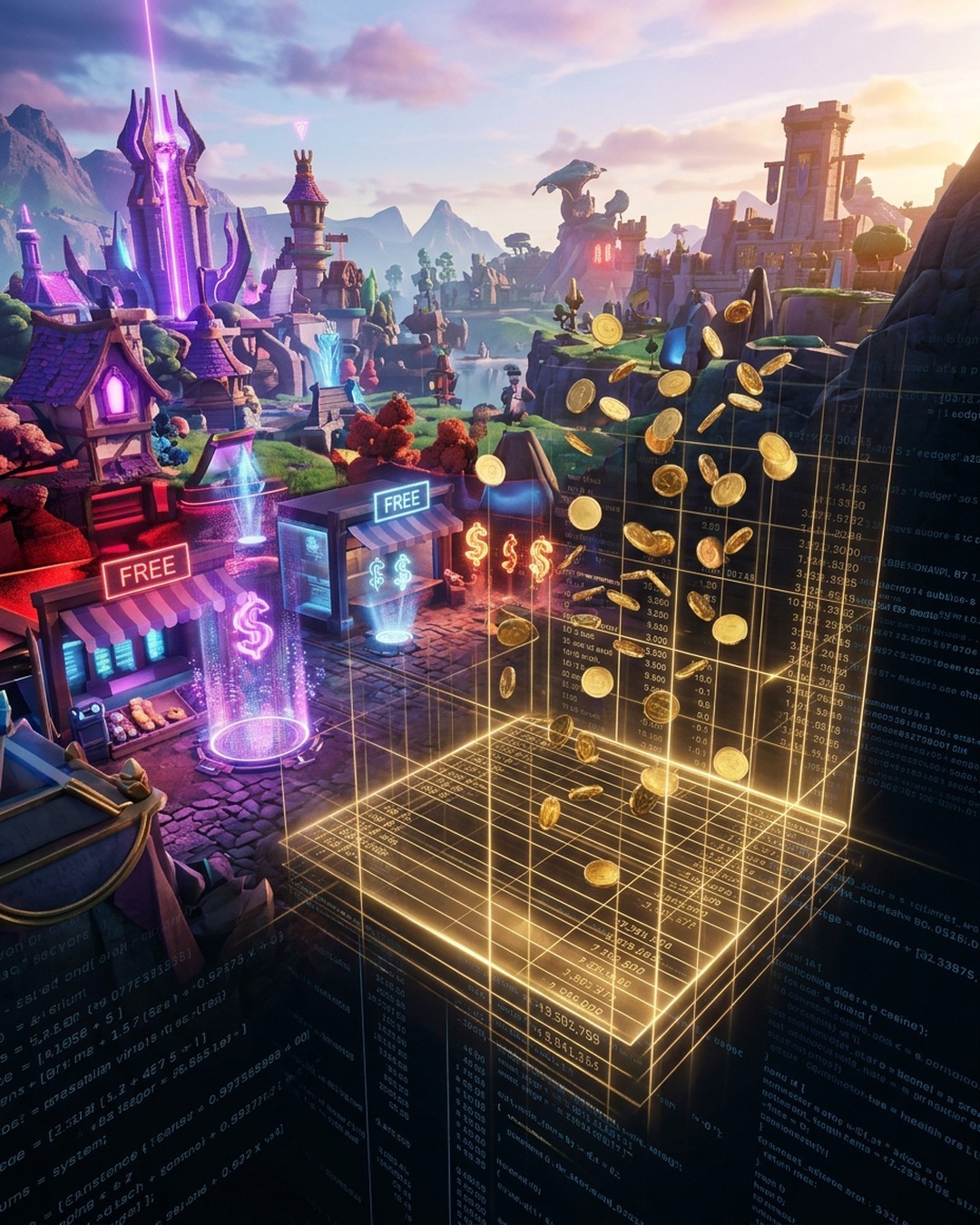
AI Generated Cover Image

Published on September 3, 2026, recent research published in Frontiers in Public Health reveals that free-to-play video games hide significant financial and psychological costs through highly concentrated microtransaction business models. Researchers Markus Meschik, Elena Hammer, Doris Malischnig, Natalia Wächter, and Mark D. Griffiths found that the top 10 percent of spenders, termed heavy spenders rather than traditional industry whales, generate the vast majority of gaming revenue, showing spending inequalities comparable to gambling addiction patterns. The authors argue that modern video game monetization extends far beyond randomized loot boxes to include battle passes, artificial scarcity, virtual currencies, and dark patterns designed to encourage impulsive spending. These manipulative design elements disproportionately impact vulnerable populations, including adolescents and individuals prone to gaming or gambling disorders, who provide the primary income stream for developers despite most players spending little to nothing. The study emphasizes that current regulatory frameworks, such as limited restrictions on loot boxes in countries like Belgium and the Netherlands, are insufficient because game companies easily replace restricted features with alternative manipulative monetization tactics. Furthermore, video game industries face minimal oversight compared to regulated gambling or emerging social media rules targeting attention-maximizing algorithms and dark patterns. To protect young players and consumers, researchers recommend introducing operational friction into digital storefronts, such as enforced spending limits, transparent real-currency pricing, mandatory waiting periods, and clear confirmation steps. Lawmakers and parents must recognize that a business model relying heavily on a vulnerable minority requires robust legal intervention and cannot depend solely on individual or parental oversight.

Key Points

01

🔹 Heavy Spender Revenue Concentration Analysis

Published on September 3, 2026, research by Markus Meschik and colleagues demonstrates that microtransaction spending in free-to-play video games is heavily concentrated among the top 10 percent of users, designated as heavy spenders. This top tier generates the vast majority of game revenue, exhibiting spending inequality strikingly similar to patterns observed in gambling addiction populations.

02

🔸 Beyond Loot Boxes: Modern Monetization Mechanics

While loot boxes face significant regulatory scrutiny due to randomized chance mechanics resembling gambling, modern free-to-play economies utilize diverse monetization strategies. These include battle passes, rotating virtual stores, intermediary virtual currencies, paid progression paths, time-limited events, and personalized offers designed to create artificial urgency.

03

⭐ Vulnerability, Gaming Disorder, and Addiction Links

The study highlights strong associations between heavy microtransaction spending and behavioral vulnerabilities such as gaming disorder and gambling disorder. A meaningful percentage of free-to-play revenue originates from individuals particularly susceptible to addictive behaviors, raising serious ethical concerns about business models reliant on a vulnerable minority.

04

📊 Regulatory Gaps and Ineffective Policy Measures

Current government regulations remain narrowly focused on loot boxes, with limited restrictions enacted in countries like Belgium and the Netherlands. Researchers note that these measures have had minimal success because developers quickly replace banned mechanics with alternative dark patterns that drive habitual spending through different psychological pressures.

05

💡 Proposed Safeguards and Friction Interventions

To protect vulnerable demographics, particularly children and teenagers who struggle to recognize persuasive design, researchers recommend introducing friction into purchase pathways. Effective safeguards include mandatory waiting periods, clear real-currency price displays, spending limits, and additional confirmation steps to interrupt impulsive buying behavior.

Want to create your own mindmap?

Login to Neumap AI and start creating your own mindmaps!

Get Started