Ancient Egyptian Princesses and Martial Prowess

Archaeology AncientEgypt Bioarchaeology RoyalHistory ScienceNews

Summary

Mind Map Cover Image
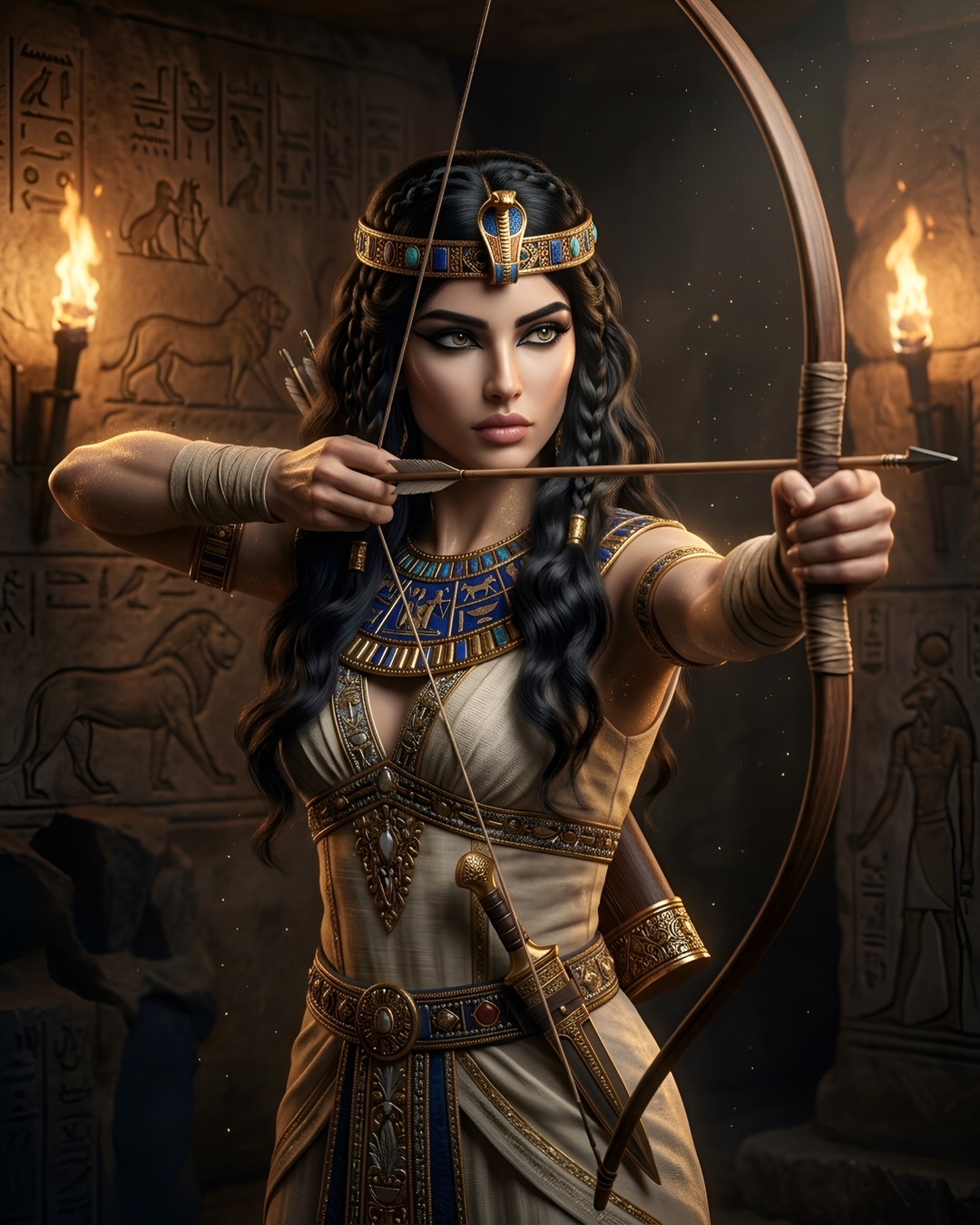
AI Generated Cover Image

Recent bioarchaeological research published on July 17, 2026, challenges the traditional view that weapons found in ancient Egyptian female tombs were merely symbolic. Examinations of six mummies from the Dahshur funerary complex, dating back approximately 4,000 years, reveal clear evidence of robust muscle attachments and skeletal adaptations consistent with intensive martial training and physical activity. Bioarchaeologist Zeinab Hashesh and her team argue that these royal women, including daughters of the 12th Dynasty pharaoh Amenemhat II, were active practitioners of hunting and athletic skills. The study suggests these princesses lived physically demanding lives, contradicting the historical assumption that they led sedentary, luxurious existences. The research utilized X-ray analysis and bone measurements to identify physical trauma and muscle development, specifically noting enlarged forearm bones in the princess Itaweret, which indicates frequent use of bows. These findings suggest that martial prowess was a component of royal life, potentially linked to ritualistic activities like the Sed festival. This study provides a new perspective on gender roles in ancient Egypt, highlighting that royal women were conditioned athletes. The findings encourage a re-evaluation of grave goods, suggesting that items previously dismissed as token objects may represent the actual lived experiences and capabilities of the deceased.

Key Points

01

🔹 Research Findings on Royal Mummies

A study published July 17, 2026, in Frontiers in Environmental Archaeology analyzed six mummies from the Dahshur funerary complex. The research confirms that these royal women, including daughters of Pharaoh Amenemhat II (reigned 1929–1895 B.C.), possessed skeletal evidence of intensive physical activity, suggesting they were skilled in using weapons like bows, daggers, and maces.

02

🔸 Skeletal Evidence of Martial Activity

【📌 Key Finding】Researchers identified 'robust' muscle attachments and specific skeletal developments. 【⭐ Data Support】The princess Itaweret exhibited enlarged forearm bones, a clear indicator of habitual, repeated activity such as drawing bows. Some mummies also showed signs of healed traumatic injuries, likely sustained during training, hunting, or battle.

03

⭐ Challenging Historical Assumptions

Historically, Egyptologists often dismissed weapons found in female graves as 'token' objects for the afterlife. This research refutes that notion, asserting that these princesses were not living sedentary lives of luxury but were instead well-conditioned athletes whose bodies were hardened by disciplined movement and martial practice.

04

📊 Context of the Dahshur Mummies

The six mummies were originally excavated in 1894 and 1895, then lost until their rediscovery in 2020. They share a rare cluster of inherited spinal defects, confirming they were related. The group includes three daughters of Amenemhat II (Ita, Khenmet, and Itaweret), a potential fourth sister (Sathathormeryt), another princess, and one male pharaoh from the 13th Dynasty.

05

💡 Ritualistic and Practical Implications

While some experts like Nicholas Brown note that princesses used bows in royal rituals (such as the Sed festival of renewal), the physical evidence suggests these activities were habitual rather than purely symbolic. The study emphasizes that these women possessed the same physical conditioning as the men of their era.

Want to create your own mindmap?

Login to Neumap AI and start creating your own mindmaps!

Get Started