Why Are Wasps Disappearing This Summer 2026

scitechdaily biology ecology climate-change wasp-decline summer-2026

Summary

Mind Map Cover Image
AI Generated Cover Image

The summer of 2026 has brought a mysteriously quiet wasp season across Britain, characterized by a sharp decline in observable social wasps, fewer pest control callouts, and smaller-than-average insect sizes. Authored by wasp biologist Seirian Sumner from University College London on August 7, 2026, the article explores how extreme weather conditions and climate anomalies are pushing insect colonies to their biological limits. The author analyzes the compounding stresses of a strange spring featuring unprecedented early heat punctuated by cold snaps, followed by relentless summer heatwaves that exceeded critical thermal maximum thresholds. While social wasps possess various adaptations like thermoregulation and cuticular hydrocarbon adjustments, extreme ground surface temperatures surpassing 50 degrees Celsius and restricted prey diversity have severely stunted larval development and colony survival. The core mechanism driving this population bottleneck involves thermal stress accelerating larval growth into premature pupation, resulting in miniaturized workers that fail to reach standard August proportions. Additionally, erratic weather patterns during the queen nest-founding phase likely caused high mortality rates and nest abandonment among newly emerged foundress queens. Understanding these ecological disruptions is vital because social wasps serve as crucial pest controllers, pollinators, and decomposers within local ecosystems. The article concludes with an urgent call for public participation in the Wasp Picnic Survey 2026 to help researchers track and quantify the true extent of this seasonal decline.

Key Points

01

🔹 2026 Wasp Population Decline Observations

【📌 Key Finding】Britain's summer 2026 social wasp season is unusually quiet, noted by researchers unable to find specimens for university experiments and pest controllers receiving very few nest removal requests. 【🔸 Comparison】Unlike previous warm years that sparked media headlines about plagues of wasps, 2026 shows a stark absence of wasp activity and public complaints despite warm spring beginnings.

02

🔸 Spring Weather Anomalies and Queen Stress

【📌 Nest Founding Risks】Spring 2026 began with a warm, dry period that successfully encouraged foundress queens to emerge from hibernation, but this was abruptly interrupted by unprecedented heat, cold damp days, and chilly nights. 【⚖️ Impact Chain】These severe weather fluctuations caused many new queens to abandon their nests or die before their first brood of adult workers could emerge.

03

⭐ Heatwave Thermal Limits and Physiological Stress

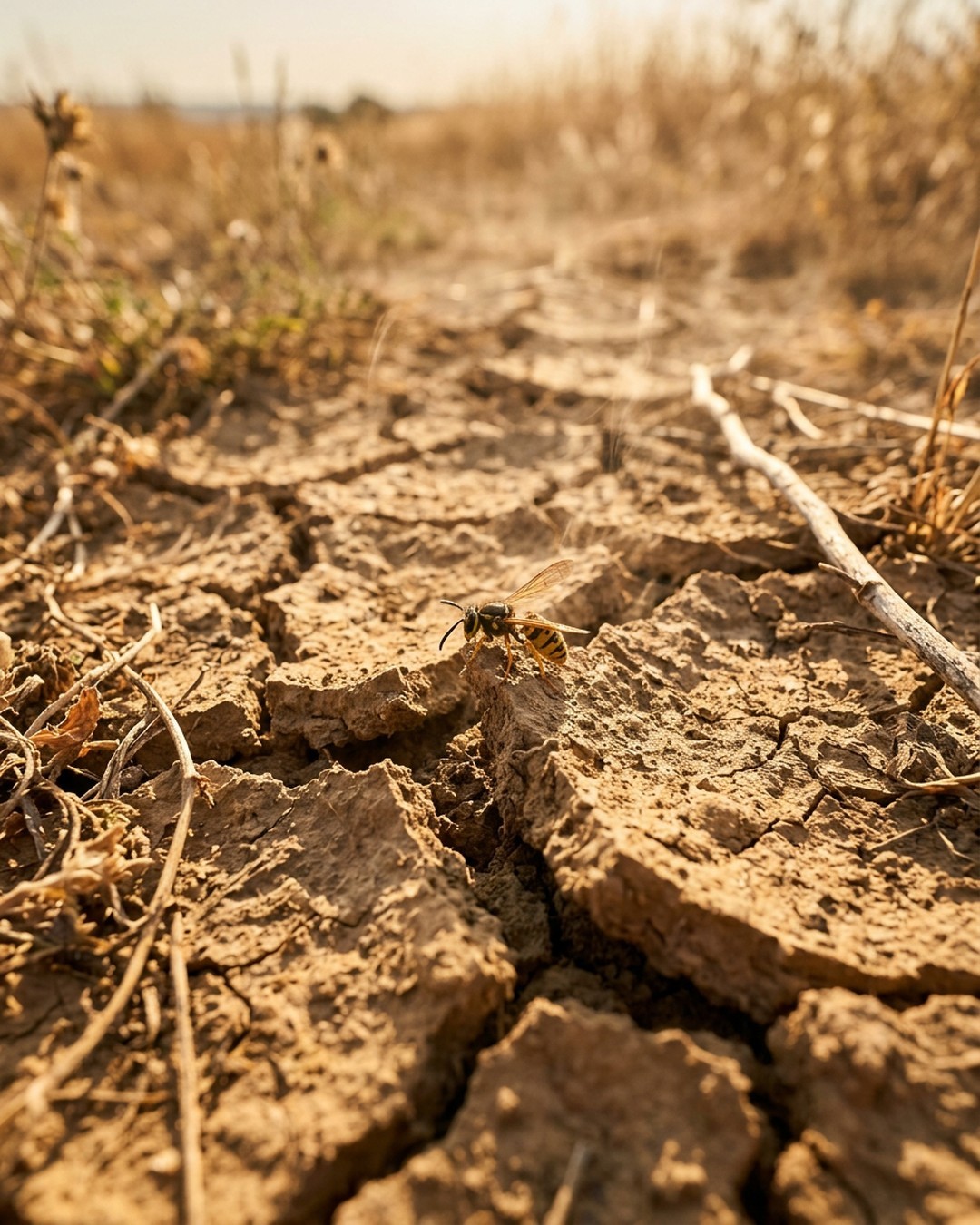
【📌 Critical Thermal Maximum】While social wasps utilize thermoregulation like wing fanning and protective nest envelopes, repeated summer heatwaves drove ground surfaces above 50 degrees Celsius, approaching or exceeding their estimated critical thermal maximum of 45 degrees Celsius. 【⚡ Physiological Impact】Excessive heat causes desiccation, muscle spasms, and stupor, disrupting foraging efficiency and overwhelming their cuticular hydrocarbon defenses.

04

📊 Stunted Wasp Size and Larval Heat Effects

【📌 Morphological Changes】Observed wasps in August 2026 remain spring-sized and unusually small rather than growing larger as colonies normally mature. 【🔬 Root Cause】Insect larval development speed increases at higher temperatures, forcing them to reach pupation at a smaller size, compounded by restricted nutrition due to limited prey diversity and flower availability.

05

💡 Ecological Consequences and Public Citizen Science

【📌 Ecological Roles】A major decline in social wasp populations threatens vital ecosystem services, including natural pest control, pollination, and decomposition. 【🎯 Action Item】Seirian Sumner's research team at University College London invites the public to participate in the Wasp Picnic Survey 2026 by photographing and submitting observations of wasps feeding on ham or jam to track population trends.

Want to create your own mindmap?

Login to Neumap AI and start creating your own mindmaps!

Get Started