Impact of Frequent Ejaculation on Sperm Quality and Fertility

Fertility ReproductiveBiology SpermHealth UniversityOfOxford ScientificResearch

Summary

Mind Map Cover Image
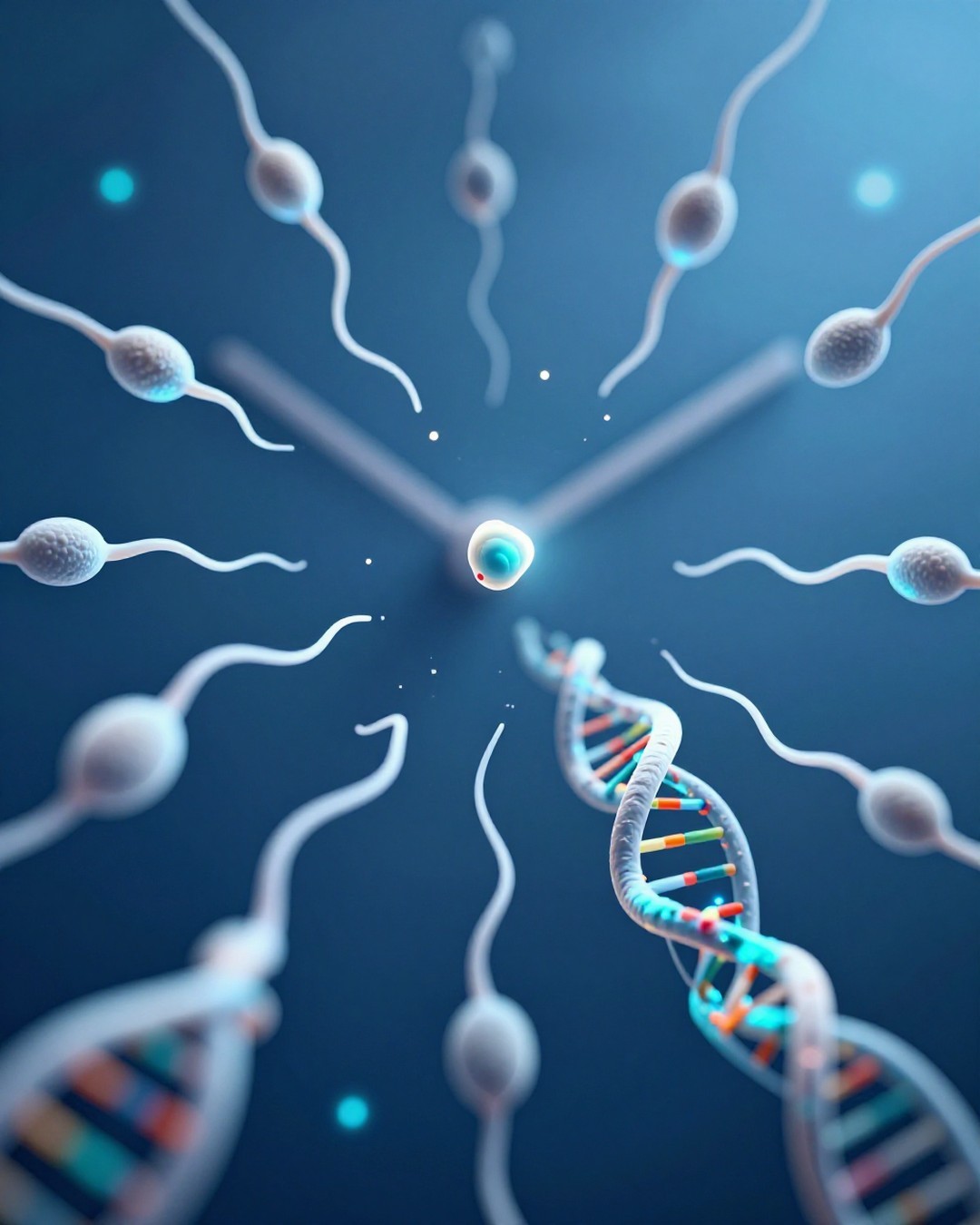
AI Generated Cover Image

A comprehensive study led by the University of Oxford, published on June 22, 2026, challenges the long-standing medical practice of prolonged abstinence to improve fertility. By analyzing data from nearly 55,000 men and 30 non-human species, researchers discovered that sperm quality declines during storage due to a process called post-meiotic sperm senescence. This aging process occurs independently of the male's chronological age, leading to increased DNA damage and reduced motility. The authors argue that the traditional recommendation of multi-day abstinence is counterproductive. Instead, frequent ejaculation is associated with healthier sperm populations. The study highlights that sperm are highly mobile cells with limited energy reserves and minimal repair capacity, making them uniquely susceptible to damage when stored for extended periods. This research suggests that clinical guidelines, such as the WHO's seven-day upper limit, may require revision to prioritize shorter abstinence intervals for better reproductive outcomes. The findings provide a new evolutionary perspective on reproduction, noting that while both sexes store sperm, females have evolved specialized organs that provide antioxidants and nutrients to mitigate senescence. These biological mechanisms offer potential inspiration for future advancements in artificial sperm storage technology and captive breeding programs for endangered species. For individuals undergoing fertility treatments, the practical takeaway is that shorter abstinence periods, specifically within 48 hours, may enhance IVF success rates. This research shifts the focus from quantity to quality, emphasizing the importance of regular turnover in maintaining the viability and genetic integrity of sperm populations.

Key Points

01

🔹 Post-Meiotic Sperm Senescence (Sperm Aging)

The study identifies that sperm undergo a process of aging (senescence) while stored in the male reproductive tract. Unlike other cells, sperm have minimal cytoplasm and limited repair mechanisms, causing them to exhaust energy reserves and accumulate DNA damage over time. This decline occurs independently of the male's age, affecting motility and viability.

02

🔸 Challenging Abstinence Guidelines

Traditional fertility advice often suggests several days of abstinence to increase sperm count. However, the research indicates this practice is detrimental. Data from 115 human studies involving 54,889 men shows that frequent ejaculation is linked to lower DNA damage and higher sperm quality, suggesting that the WHO's seven-day abstinence limit may be excessive.

03

⭐ Cross-Species Evolutionary Evidence

Researchers analyzed 56 studies across 30 non-human species, including insects, birds, and mammals. The findings confirm that sperm deterioration during storage is a widespread biological phenomenon. The study notes that females have evolved specialized storage organs (spermathecae) that secrete antioxidants and nutrients to protect sperm, a mechanism that could inform future artificial storage technologies.

04

📊 Clinical Implications for IVF

The research supports recent clinical observations that ejaculation within 48 hours prior to providing a sample can significantly improve IVF outcomes. By reducing the storage time, the proportion of aged, damaged sperm is minimized, thereby increasing the likelihood of successful fertilization and healthy embryo development.

05

💡 Future Applications and Research

Beyond human fertility clinics, these findings have significant implications for conservation biology. Understanding how different species mitigate sperm damage during storage can improve captive breeding programs for endangered species. Furthermore, the study encourages the development of biomimetic technologies that replicate the protective environments found in female reproductive tracts to improve artificial sperm preservation.

Want to create your own mindmap?

Login to Neumap AI and start creating your own mindmaps!

Get Started