DNA Damage and Repair in Developing Neurons

Neuroscience Genetics BrainDevelopment DNA-Repair KyotoUniversity NatureJournal

Summary

Mind Map Cover Image
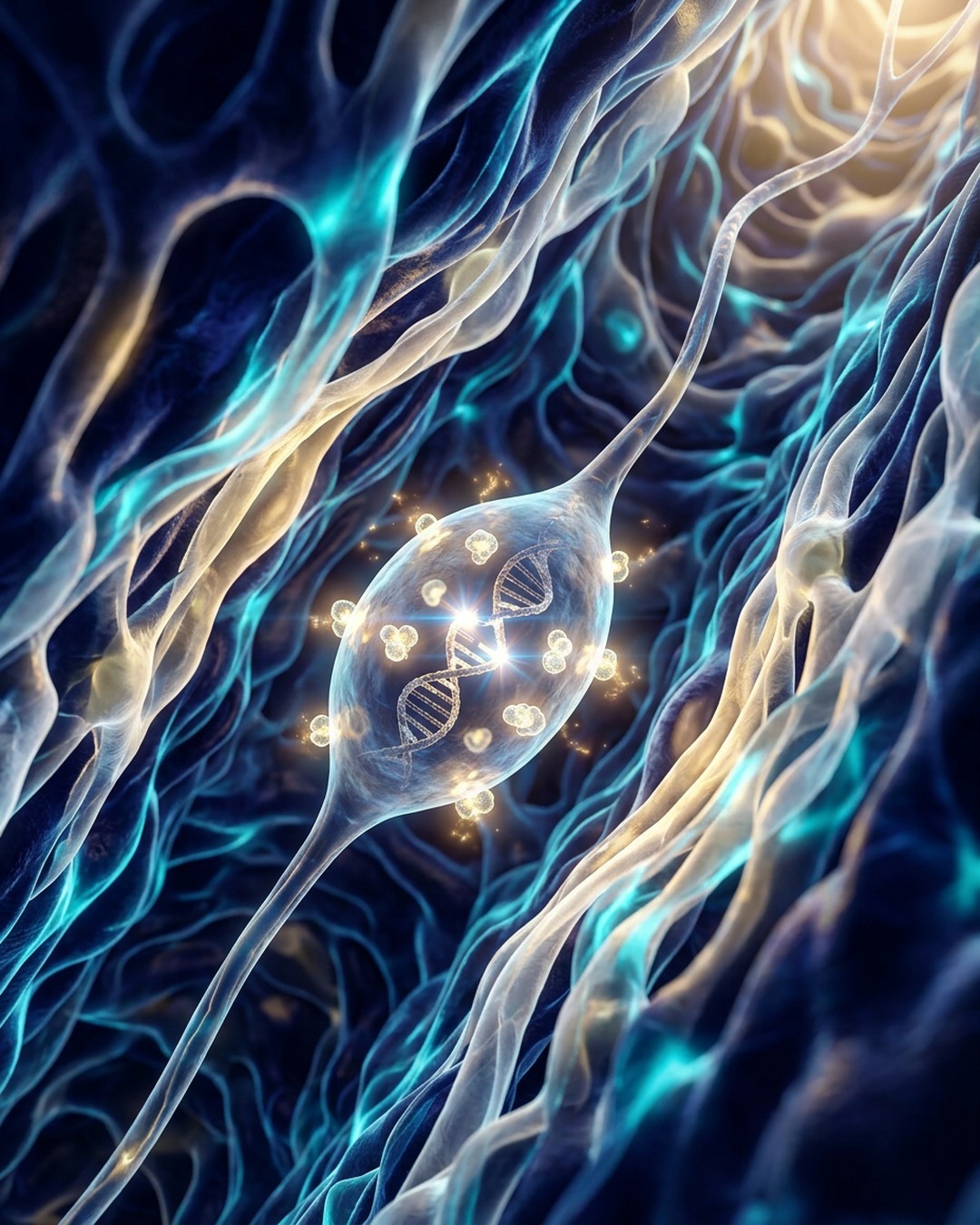
AI Generated Cover Image

A study published in Nature on July 8, 2026, reveals that the development of the human brain involves a critical, previously misunderstood process where young neurons undergo millions of double-strand DNA breaks. These breaks occur as neurons migrate through dense, confined brain tissue, yet they are not pathological. Instead, they are a natural, tolerated mechanism essential for healthy brain formation, with cells efficiently repairing the damage within 24 hours. The research, led by Professor Mineko Kengaku at Kyoto University, identifies the enzyme Topoisomerase IIβ as the primary driver of these breaks. While this enzyme normally relieves mechanical strain by cutting DNA, the physical stress of migration causes it to become trapped, leaving DNA ends exposed. The study highlights that neurons utilize a non-homologous end joining repair mechanism to fix these breaks, distinguishing this process from the random, lethal damage often seen in cancer cells. The findings suggest that this cycle of damage and repair may contribute to the genetic uniqueness of individual neurons, potentially explaining how the brain achieves its complex diversity. Furthermore, the research demonstrates that failures in this repair system, such as the absence of the enzyme Ligase 4, can lead to long-term neurological issues, mirroring symptoms of human genome instability syndromes. This discovery shifts the scientific understanding of the neuronal genome, suggesting that the physical journey of a neuron leaves a lasting mark on its genetic identity. For researchers and clinicians, this provides a new framework for investigating neurodevelopmental and neurodegenerative diseases, emphasizing the importance of DNA repair efficiency in maintaining long-term brain health.

Key Points

01

🔹 Core Discovery: Controlled DNA Damage

【📌 Key Finding】Young neurons naturally experience millions of double-strand DNA breaks during migration through the developing brain. 【🔸 Impact Factors】This process is not a sign of cellular failure but a necessary, tolerated step in cortex development. 【⭐ Data Support】Most damage is repaired within 24 hours, allowing neurons to continue functioning normally.

02

🔸 Mechanism of Action: Topoisomerase IIβ

【📌 Key Finding】The enzyme Topoisomerase IIβ, which normally relieves mechanical twisting in DNA, becomes trapped due to the physical stress of migration through confined spaces. 【🔸 Impact Factors】This entrapment leaves DNA double-strand breaks behind. 【⭐ Data Support】The study used laboratory microchannels to mimic the narrow passages of the brain, confirming that migration directly induces these breaks.

03

⭐ Repair Process: Non-Homologous End Joining

【📌 Key Finding】Neurons utilize the non-homologous end joining repair mechanism to reconnect broken DNA strands. 【🔸 Impact Factors】Unlike cancer cells, where damage is random and often lethal, neurons target breaks in less critical genomic regions, ensuring survival and continued development.

04

📊 Clinical Implications: Ligase 4 Deficiency

【📌 Key Finding】Scientists created mice lacking the DNA repair enzyme Ligase 4 to test the importance of this system. 【🔸 Impact Factors】These mice developed mild balance problems in early adulthood, resembling human genome instability syndromes. 【⭐ Data Support】This confirms that even minor failures in the neuronal DNA repair system have significant long-term neurological consequences.

05

💡 Evolutionary Perspective: Genetic Diversity

【📌 Key Finding】The study suggests that temporary DNA breaks may introduce small, unique genetic differences between individual neurons. 【🔸 Impact Factors】This 'mechanical journey' may be a fundamental way the brain generates neuronal diversity, potentially influencing susceptibility to neurodevelopmental or neurodegenerative diseases.

Want to create your own mindmap?

Login to Neumap AI and start creating your own mindmaps!

Get Started