Memory Persistence and Brain Remodeling

neuroscience memory-storage hibernation-study hippocampus synaptic-plasticity brain-remodeling

摘要

心智图封面图片
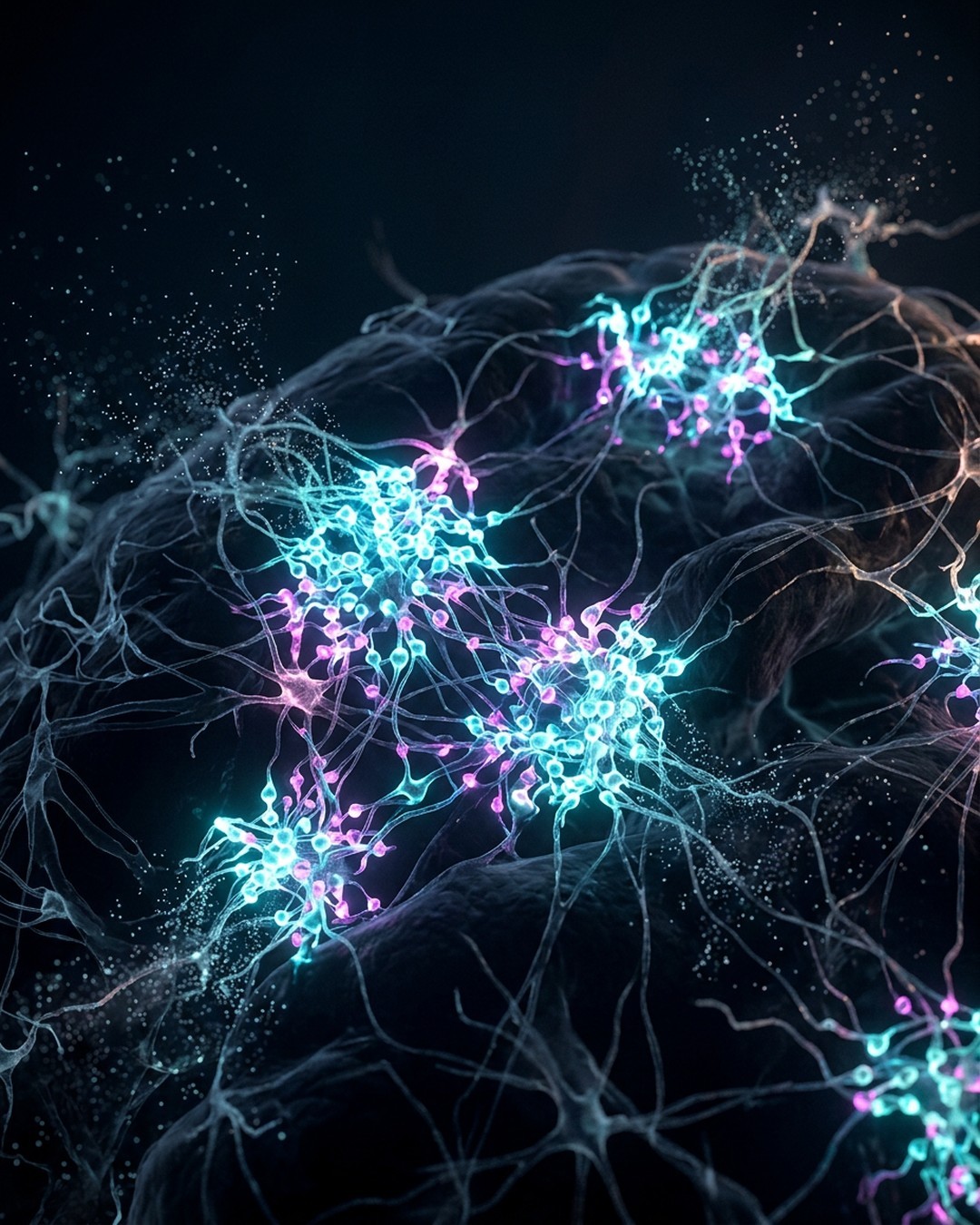
AI 生成的封面图片

A recent study on artificially induced dormant mice reveals that memories can persist even when more than half of the synaptic connections in the hippocampus are wiped out. Researchers Kazumasa Tanaka and colleagues at the Okinawa Institute of Science and Technology demonstrated that mice subjected to artificial hibernation retained fear memories despite massive brain remodeling and the loss of over 50 percent of synapses within engram neurons. The researchers observed that hibernating rodents retained synapses that clustered closely together on the surface of engram neurons while non-clustered synapses disappeared. This indicates that clustered synapses are crucial for retaining long-term memory information, whereas non-clustered synapses, which rapidly reappeared within a day post-hibernation, may be important for accessing those memories. This remarkable discovery challenges the long-standing scientific assumption that a memory persists only as long as a specific pattern of synapses is continuously maintained. By utilizing hibernation as a model for dramatic brain changes, the study offers unprecedented insights into the resilience of mammalian memory storage systems against drastic structural alterations. The findings provide profound implications for human health and neurological research, suggesting that memories are much harder to break than previously thought. Exploring the molecular pathways behind clustered and non-clustered synapses could eventually lead to novel therapeutic approaches to prevent or slow memory impairment in conditions such as amnesia and Alzheimer's disease.

关键点

01

🔹 Core Discovery on Memory Resilience

【📌 Key Finding】Memories persist even when more than half of the hippocampal synapses in engram neurons are wiped out during artificial hibernation. 【🔸 Impact Factors】This discovery challenges the traditional view that memories depend entirely on maintaining a specific, unbroken pattern of synapses. 【⭐ Data Support】Led by Kazumasa Tanaka at the Okinawa Institute of Science and Technology, researchers induced artificial hibernation in mice for two days and confirmed fear memory retention five days later despite massive brain remodeling.

02

🔸 Clustered Versus Non-Clustered Synapses

【📌 Synaptic Roles】The study found that hibernating rodents retained synapses that clustered closely together on the surface of engram neurons, while non-clustered synapses outside these clusters disappeared. 【🔸 Functional Distinction】Clustered synapses are crucial for retaining information within memories, whereas non-clustered synapses, which reappeared within a day post-hibernation, may be important for accessing memories.

03

⭐ Experimental Methodology and Process

【📌 Step 1: Conditioning】Mice were exposed to weak foot shocks in a chamber scented with alcohol, establishing a fearful memory associated with that specific scent. 【📌 Step 2: Artificial Hibernation】Researchers injected mice with metabolism-slowing drugs and placed them in a dark chamber for two days to induce an artificial hibernation state. 【📌 Step 3: Testing & Brain Scans】Five days later, mice froze in fear when placed back in the alcohol-scented chamber, and brain scans revealed the disappearance of over 50 percent of synapses within hippocampal engram neurons.

04

📊 Broader Implications for Human Neurology

【📌 Mammalian Brain Parallels】George Dragoi at Yale University notes that these findings are highly relevant to humans since prior research shows human brains store information very similarly to mice. 【🔸 Medical Hope】Steve Ramirez at Boston University suggests that targeting molecular pathways with drugs could reveal ways to prevent or slow memory impairment in conditions like amnesia and Alzheimer's disease.

05

💡 Expert Perspectives and Future Directions

【📌 Authoritative Views】Priyanka Rao-Ruiz at Vrije University Amsterdam calls the study a remarkable step forward in addressing a long-standing puzzle in memory research. 【🔸 Future Research】The research team is actively exploring the molecular pathways through which clustered engram synapses store information and investigating the mechanisms by which non-clustered synapses reappear after hibernation.

想要创建自己的思维导图?

登录Neumap AI,开始创建专属于你的思维导图!

立即开始