Intermittent Fasting Benefits and Research Challenges

intermittent-fasting nutrition-research health-science dietary-habits

摘要

心智图封面图片
AI 生成的封面图片

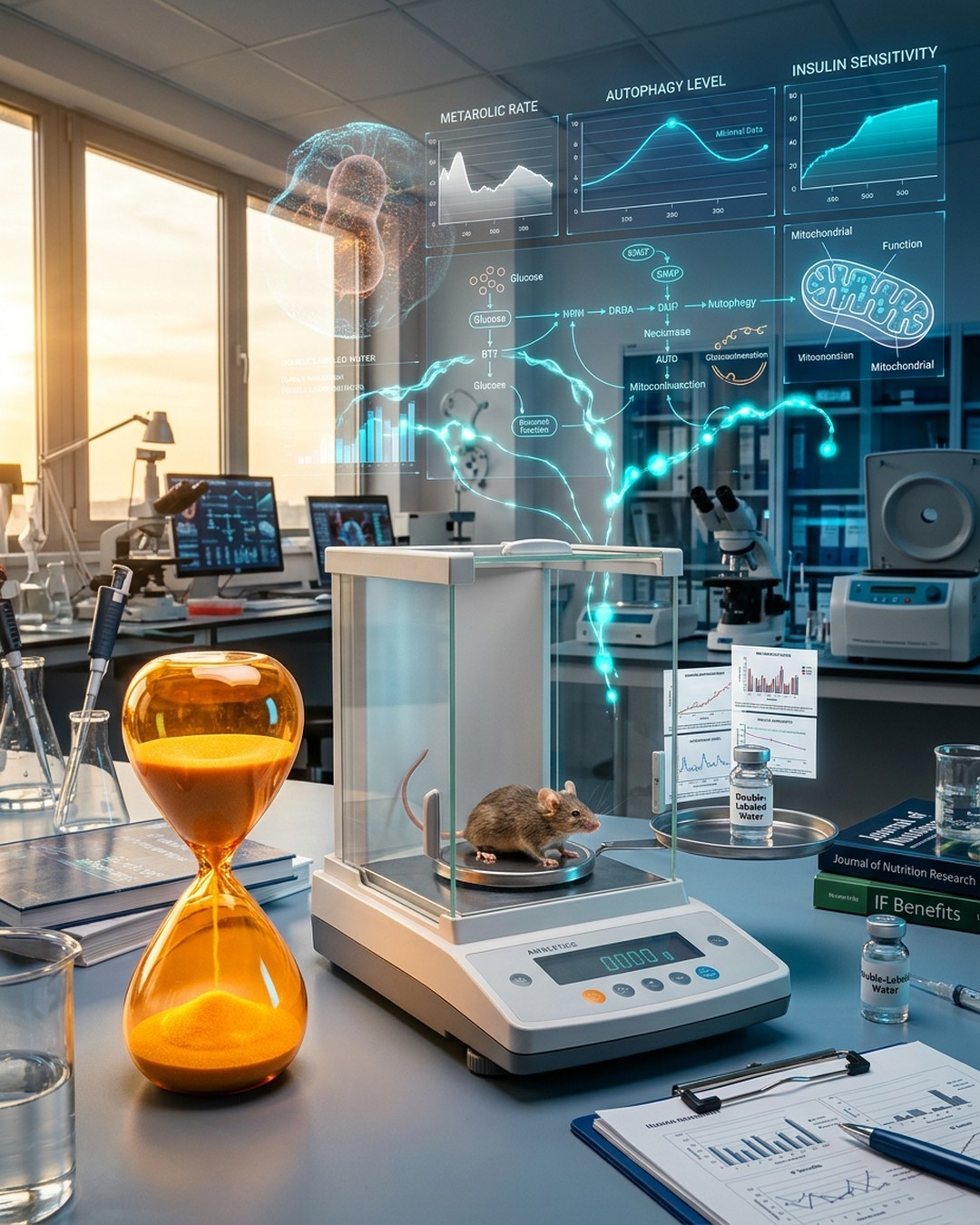
Intermittent fasting has gained immense popularity for weight loss and health benefits like reducing cancer and cognitive decline risks, yet recent evidence questions these claims, showing inconsistent results in humans compared to animals. The core challenge in human nutrition research is the unreliability of self-reported food intake, with studies in 2025 showing individuals underreport calories by 400 to over 800 per day, undermining data accuracy. Animal studies, such as foundational work by Mark Mattson, showed dramatic metabolic switches and longevity, but biological differences like higher metabolic rates in mice and genetic uniformity limit translation to humans. To overcome self-reporting flaws, researchers are exploring inpatient trials and emerging technologies like wearable cameras, smart forks, and advanced blood and urine biomarker analysis to capture objective dietary data.

关键点

01

🔹 Human vs Animal Evidence Gap

While intermittent fasting yields dramatic weight loss and longevity in mice, human studies show more modest results, producing about 5% weight loss similar to standard diets, with less pronounced metabolic improvements and mixed cancer or cognition outcomes.

02

🔸 Biological and Metabolic Differences

Rodents possess a much higher metabolic rate than humans, meaning a 16-hour fast in a mouse equates to a multi-day fast in a human. Furthermore, lab mice are genetically identical, failing to reflect human biological variability.

03

⭐ The Self-Reporting Crisis in Nutrition

Nutrition studies rely heavily on food diaries and participant honesty, which are highly inaccurate. A 2025 international study and doubly labelled water tests revealed that people underreport food intake by 400 to over 800 calories daily.

04

📊 Objective Measurement Challenges and Solutions

Inpatient feeding trials provide rigorous control but are short and expensive. New technologies like wearable cameras (e.g., FitNibble, Autographer), chewing-detection necklaces, smart forks, and comprehensive blood and urine biomarker tests aim to replace flawed self-reports.

05

💡 Broader Implications for Dietary Science

The fundamental inability to accurately track what people eat explains why public health advice, such as cholesterol guidelines, often fluctuates and why nutrition science faces widespread frustration among researchers like Krista Varady and Thomas Wilson.

想要创建自己的思维导图?

登录Neumap AI,开始创建专属于你的思维导图!

立即开始