Exercise Effects on Hip Osteoarthritis

scitechdaily health arthritis chronic-pain cochrane exercise medical-research

摘要

心智图封面图片
AI 生成的封面图片

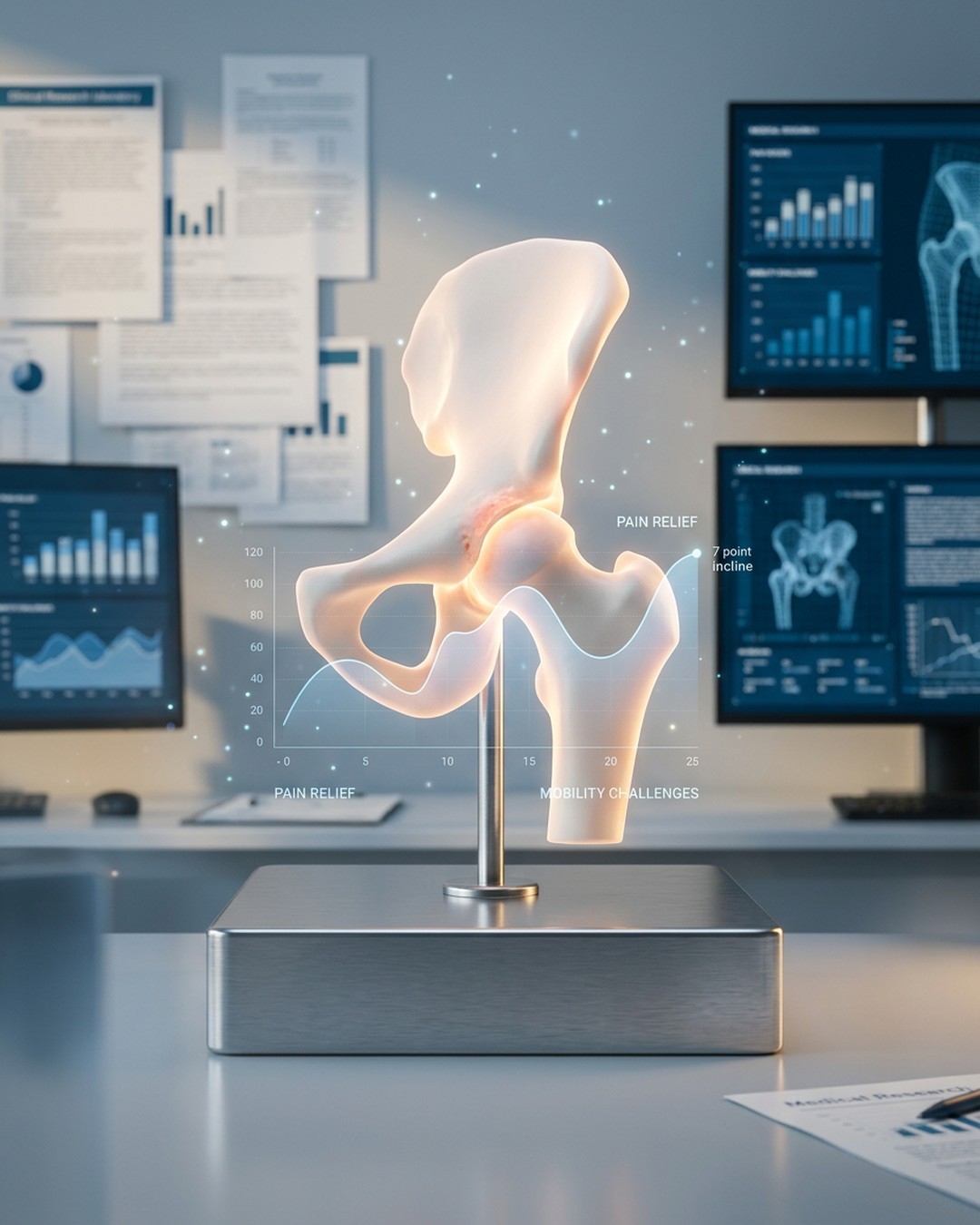
A recent Cochrane review published on July 29, 2026, investigated the effects of exercise on hip osteoarthritis and found that while physical activity is widely prescribed, its average benefits in reducing pain and improving mobility are often too small for patients to notice in daily life. Researchers from the University of Sydney and the University of Melbourne analyzed 18 clinical trials involving 1,368 participants aged 53 to 74 years, discovering that exercise reduced pain by an average of about 7 points on a 100-point scale, whereas an improvement of at least 12 points is typically required for a meaningful clinical difference. The study authors emphasize that these modest average results do not mean patients should abandon exercise, as physical activity still provides vital cardiovascular, metabolic, and mental health benefits while helping preserve joint function and delaying potential surgery. However, the findings highlight a critical need to adjust patient expectations, acknowledge that one-size-fits-all exercise programs may not work for everyone, and recognize that current research has significant methodological weaknesses such as small trial sizes and self-reported metrics. The review underscores the importance of conducting larger, higher-quality clinical trials to determine which specific types, intensities, and durations of exercise provide the most relief for individual patient profiles. By moving away from generalized recommendations and toward personalized treatment plans, clinicians can better identify which subgroups of patients with hip osteoarthritis achieve substantial relief versus those who experience minimal change. For practitioners and patients, these insights suggest maintaining a balanced perspective on exercise as a primary management tool for hip osteoarthritis while advocating for more tailored interventions. Healthcare providers should communicate realistic outcomes to patients to avoid false hope, ensuring that exercise regimens are optimized based on individual disease severity, fitness levels, and personal preferences to maximize therapeutic adherence and efficacy.

关键点

01

🔹 Cochrane Review Findings on Hip Osteoarthritis

A July 2026 Cochrane review led by researchers from the University of Sydney and the University of Melbourne analyzed 18 clinical trials involving 1,368 participants aged 53 to 74 years. The study evaluated the impact of exercise programs lasting from 2 to 52 weeks on hip osteoarthritis, concluding that average benefits in pain relief and mobility are frequently below the threshold of daily noticeable difference.

02

🔸 Modest Pain Reduction and Mobility Gains

Compared with usual care or no treatment, exercise reduced pain by an average of only about 7 points on a 100-point scale. Medical experts generally estimate that an improvement of at least 12 points is necessary for patients to perceive a meaningful difference in their daily lives, indicating that standard exercise regimens yield subtle rather than dramatic relief.

03

⭐ Absence of Quality of Life Changes

The clinical trials revealed that exercise produced little to no measurable change in overall quality of life regardless of the comparison group used. Furthermore, physical function showed only small average gains, and researchers noted that current improvement thresholds were derived largely from knee osteoarthritis studies rather than hip-specific data.

04

📊 Limitations in Existing Research Evidence

The review identified substantial weaknesses in available scientific literature, including small trial sizes, lack of participant blinding due to the nature of physical workouts, and heavy reliance on self-reported pain and ability metrics. These factors suggest that participant expectations and psychological bias may have influenced reported outcomes.

05

💡 Call for Personalized Treatment and Future Trials

Lead authors Michelle Hall and Belinda Lawford emphasize that exercise remains a vital first-line treatment for joint preservation, cardiovascular health, and delaying joint replacement surgery. However, future research must prioritize larger, rigorous trials to identify which specific exercise types and intensities benefit particular patient subgroups rather than relying on one-size-fits-all prescriptions.

想要创建自己的思维导图?

登录Neumap AI,开始创建专属于你的思维导图!

立即开始