Evidence of Dark Matter and Neutrino Interactions

astrophysics cosmology dark-matter neutrinos university-of-sheffield nature-astronomy

摘要

心智图封面图片
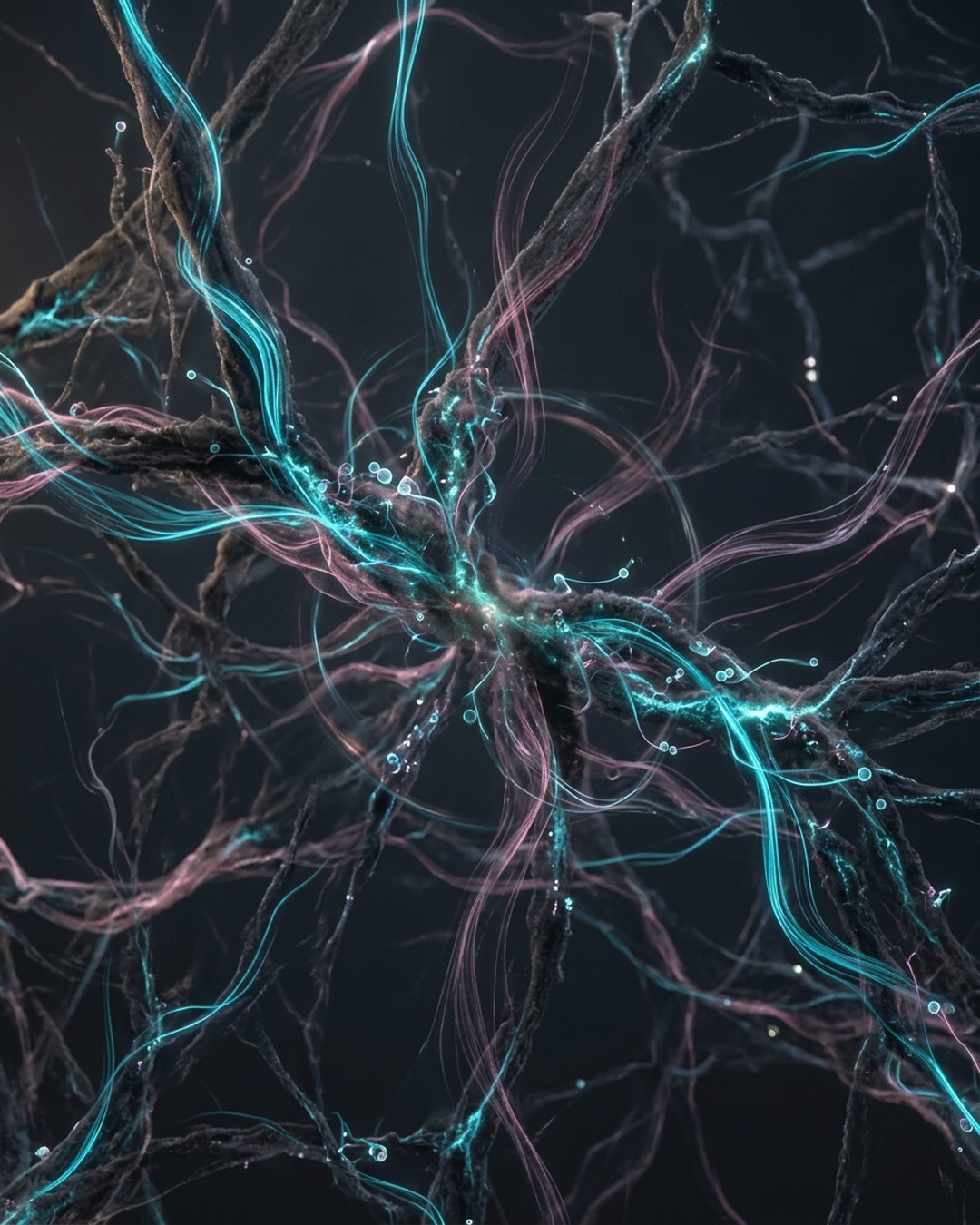
AI 生成的封面图片

Researchers at the University of Sheffield have identified potential evidence that dark matter and neutrinos interact, challenging the Standard Model of Cosmology (Lambda-CDM). This interaction suggests that these two invisible components of the universe are not independent, providing a possible explanation for the observed mismatch between early-universe predictions and late-universe structural growth. The study, published in Nature Astronomy on January 2, 2026, highlights a tension where matter in the modern universe appears less clumped than expected based on early-universe data. By proposing an interaction between dark matter and neutrinos, the authors suggest that the current cosmological model is incomplete rather than incorrect, offering a new pathway to understand cosmic evolution. The analysis utilized data from the Atacama Cosmology Telescope (ACT), the Planck Telescope, the Dark Energy Camera on the Victor M. Blanco Telescope, and the Sloan Digital Sky Survey. These datasets allowed researchers to compare cosmic structures across different historical periods, revealing discrepancies that align with the hypothesis of particle interaction. This finding provides a concrete direction for future particle physics and observational cosmology. Future experiments, including weak lensing surveys and Cosmic Microwave Background (CMB) studies, will be critical in confirming this interaction, potentially unmasking the true nature of dark matter and refining our understanding of the universe's fundamental components.

关键点

01

🔹 The Challenge to the Standard Model (Lambda-CDM)

The Standard Model of Cosmology (Lambda-CDM) assumes that dark matter (85% of all matter) and neutrinos are independent, non-interacting components. The new study suggests this assumption is incomplete, as evidence indicates these particles may interact, influencing how cosmic structures form and evolve over time.

02

🔸 Addressing the Cosmic Clumping Mismatch

【📌 Key Finding】There is a persistent tension between early-universe predictions and late-universe observations. 【🔸 Impact Factors】Early-universe data suggests stronger structural growth than what is observed in the modern universe. 【⭐ Data Support】The study proposes that dark matter-neutrino interactions reduce the expected clumping of matter, aligning theoretical models with observed reality.

03

⭐ Data Sources and Methodology

The research synthesized data from multiple major astronomical projects: Early universe data was derived from the Atacama Cosmology Telescope (ACT) and the Planck Telescope (ESA). Late universe data was sourced from the Dark Energy Camera on the Victor M. Blanco Telescope and galaxy maps from the Sloan Digital Sky Survey.

04

📊 Implications for Future Research

If confirmed, this interaction would represent a fundamental breakthrough in physics. It provides a specific target for laboratory experiments to identify dark matter properties and guides future observational efforts, such as weak lensing surveys, which measure mass distribution by observing light distortions from distant galaxies.

05

💡 Research Significance and Publication

Published in Nature Astronomy on January 2, 2026, the study was led by researchers including Dr. Eleonora Di Valentino and Dr. William Giarè. The work is supported by international grants, including the National Key Research and Development Program of China and the Chinese Academy of Sciences, highlighting the global collaborative effort to solve the dark matter mystery.

想要创建自己的思维导图?

登录Neumap AI,开始创建专属于你的思维导图!

立即开始