Environmental Impact of Fireworks

Environment Pollution Chemistry Research PublicHealth

摘要

心智图封面图片
AI 生成的封面图片

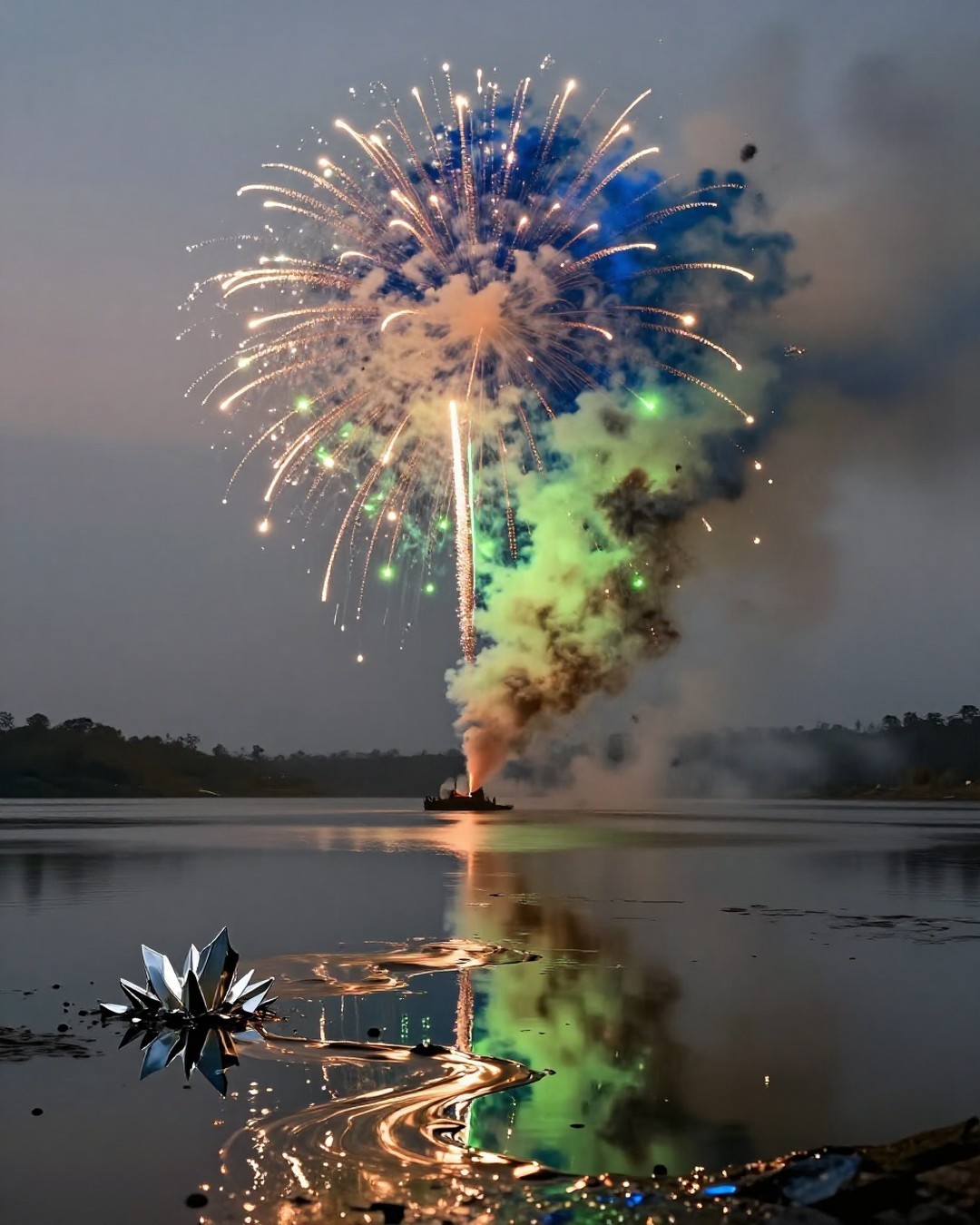
Recent research published in American Chemical Society journals highlights that fireworks cause significant, long-term environmental pollution affecting both air and water quality. Beyond the immediate visual spectacle, firecracker debris and chemical emissions introduce harmful substances into ecosystems, posing risks to aquatic life and human respiratory health. The scientific consensus emphasizes that fireworks are a major, often overlooked source of environmental degradation. Researchers advocate for better waste management and increased awareness regarding the hidden chemical footprint left behind by large-scale celebrations and public displays. Key findings reveal that firecracker residue alters water chemistry by leaching metal ions and organic matter, while airborne emissions contribute to hazardous particulate matter and haze. These pollutants often exceed recommended safety limits, particularly during major events where fireworks are used in high concentrations. To mitigate these impacts, the study suggests that proper collection and disposal of spent firecrackers are essential. Users and event organizers should be aware of these environmental consequences and consider sustainable alternatives or stricter cleanup protocols to protect local ecosystems and public health.

关键点

01

🔹 Water Chemistry Alteration

【📌 Key Finding】Firecracker residue significantly changes the chemistry of lakes and rivers. 【🔸 Impact Factors】Leaching of metal ions (potassium, manganese) and dissolved organic matter (phenols, sulfur compounds) disrupts microbial communities and aquatic ecosystems. 【⭐ Data Support】Laboratory studies confirm that solid debris can absorb existing dissolved substances, further complicating water quality.

02

🔸 Air Quality and Particulate Matter

【📌 Key Finding】Fireworks are a primary source of fine particulate matter during large events. 【🔸 Impact Factors】Crowd movement, vehicle dust, and firework explosions create distinct pollution peaks. 【⭐ Data Support】Measurements indicate that attendees at multi-day events can exceed World Health Organization (WHO) recommended exposure limits for air pollutants.

03

⭐ Chemical Emissions and Haze

【📌 Key Finding】Fireworks release gaseous and particulate amines that contribute to atmospheric haze. 【🔸 Impact Factors】These compounds react in the atmosphere to form secondary aerosols, reducing air quality long after the display ends. 【⭐ Data Support】Studies conducted during Lunar New Year celebrations showed sharp increases in sulfate, potassium ions, and various amines.

04

📊 Environmental Impact Summary

【📌 Key Finding】Pollution is not limited to visible smoke. 【🔸 Impact Factors】The combination of solid waste, metal salts, and chemical gases creates a multi-faceted environmental threat. 【⭐ Data Support】Research published in 2025 and 2026 across three ACS journals provides consistent evidence of these hidden pollutants.

05

💡 Mitigation and Recommendations

【📌 Key Finding】Environmental damage can be reduced through proactive management. 【🔸 Impact Factors】Proper collection and disposal of spent firecracker debris are critical to preventing leaching into water sources. 【⭐ Data Support】Scientific evidence suggests that reducing the frequency and scale of firework use in sensitive areas is necessary to maintain ecological health.

想要创建自己的思维导图?

登录Neumap AI,开始创建专属于你的思维导图!

立即开始