Australasian Crocodylian Extinction History

paleontology archaeology crocodiles extinction Australasia research

摘要

心智圖封面圖片
AI 生成的封面圖片

Recent research published in the Zoological Journal of the Linnean Society on July 1, 2026, examines the evolutionary history and extinction of Australasian crocodylians over the past 129,000 years. The study highlights the transition from a diverse group of ancient predators known as mekosuchines to the modern dominance of the genus Crocodylus. The authors emphasize that while modern crocodiles have coexisted with humans for millennia, the extinct mekosuchines faced a different fate. The research suggests that human arrival on Pacific islands likely accelerated the extinction of smaller, terrestrial dwarf crocodile species, whereas the disappearance of mainland mekosuchines remains a complex, unresolved mystery. By analyzing fragmentary remains from over 20 archaeological and paleontological sites, the study provides a comprehensive record of these apex predators. The findings underscore the importance of integrating paleontological data with Indigenous knowledge to better understand past environmental changes and inform future conservation strategies. This analysis serves as a critical reminder of the Anthropocene's impact on biodiversity. Readers can apply these insights to recognize the vulnerability of apex predators to human activity and the necessity of multidisciplinary approaches in protecting threatened ecosystems.

關鍵點

01

🔹 Research Overview and Timeline

The study, published on July 1, 2026, in the Zoological Journal of the Linnean Society, reviews 129,000 years of crocodylian history in Australasia. It utilizes data from over 20 archaeological and paleontological sites to reconstruct the extinction patterns of ancient mekosuchines and the survival of modern Crocodylus species.

02

🔸 Mekosuchines vs. Modern Crocodiles

Mekosuchines were the dominant apex predators in Australasia for over 50 million years, exhibiting diverse forms including semi-aquatic ambush predators and terrestrial species with serrated teeth. In contrast, modern crocodiles (genus Crocodylus) are the sole survivors, having maintained a stable, long-term coexistence with human populations.

03

⭐ Human-Crocodylian Interactions

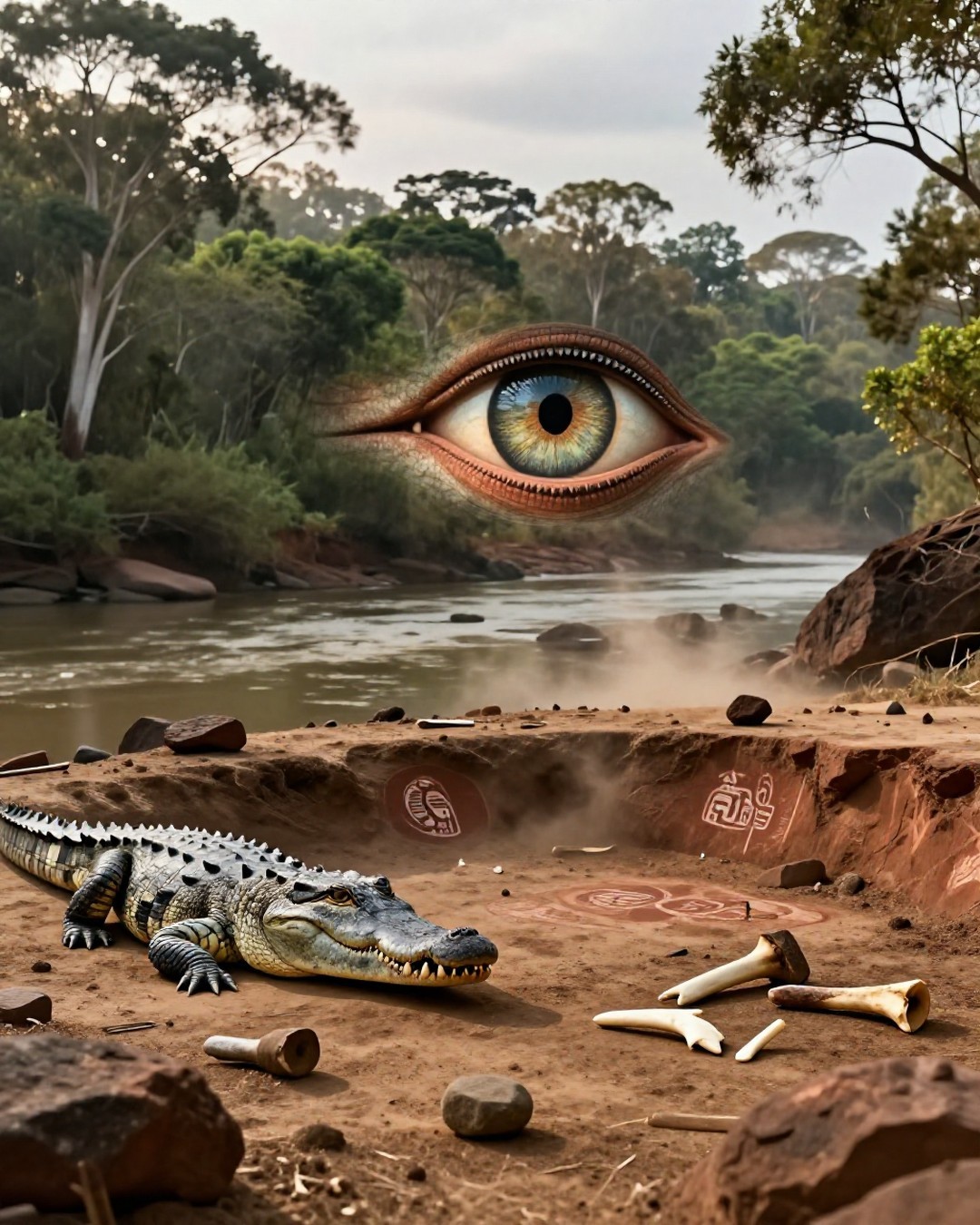
Archaeological evidence, including rock art dating back 20,000 years, indicates that Indigenous Australians lived alongside crocodiles for millennia. While humans occasionally hunted crocodiles for food or used their teeth for tools, such interactions were rare due to the lethal nature of adult saltwater crocodiles.

04

📊 Island Extinction Dynamics

On islands like New Caledonia and Vanuatu, small terrestrial 'dwarf' mekosuchines went extinct shortly after human arrival. Evidence suggests that human-introduced species, such as rats, and direct hunting pressure likely contributed to their rapid decline, contrasting with the more mysterious extinction of mainland mekosuchines.

05

💡 Conservation Implications

The research highlights that understanding past extinctions is vital for the Anthropocene era. The authors advocate for a multidisciplinary approach involving paleontologists, archaeologists, and Indigenous land managers to protect remaining crocodile populations and their fragile ecosystems from modern environmental threats.

想要創建自己的心智圖?

登入Neumap AI,開始創建專屬於你的心智圖!

立即開始