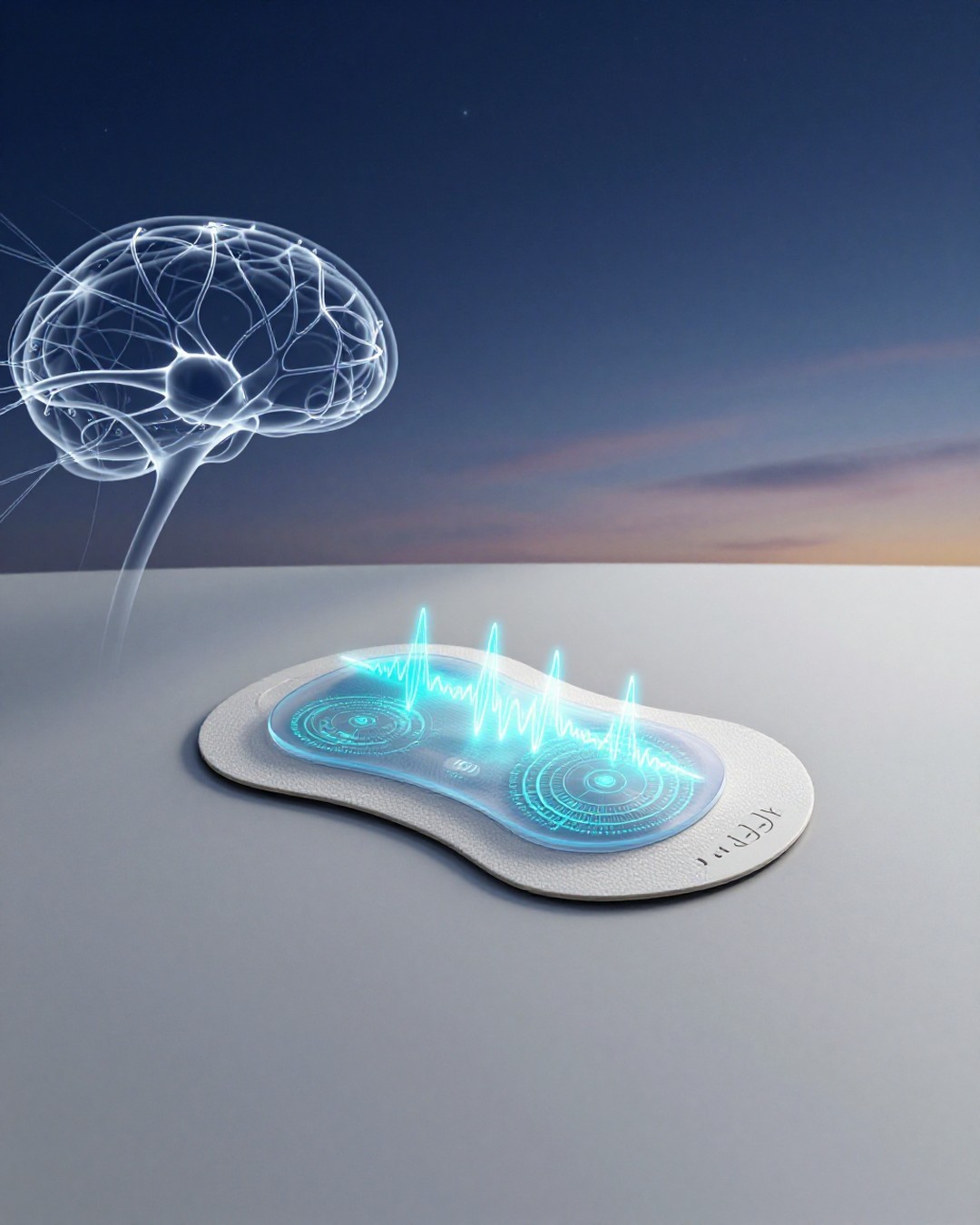
Researchers at the University of Texas at Austin have developed NEUSLeeP, a soft, wearable bioelectronic patch that utilizes gentle ultrasound stimulation to noninvasively target deep brain regions associated with REM sleep. Published in Nature Communications on June 4, 2026, the study demonstrates that the device can monitor neural activity in real time while effectively enhancing sleep quality without the need for pharmacological intervention or surgery.
The research team, led by Kai Wing Kevin Tang and principal investigator Huiliang Evan Wang, emphasizes that REM sleep is critical for emotional regulation, stress adaptation, and mental recovery. By successfully modulating brain circuits involved in these processes, the device offers a promising, noninvasive alternative for individuals suffering from sleep disorders, depression, anxiety, and post-traumatic stress disorder (PTSD).
In clinical trials involving 28 participants, the NEUSLeeP patch reduced the time required to enter REM sleep by an average of 43 minutes and extended the duration of REM sleep by approximately 16 minutes. Furthermore, the device demonstrated improvements in heart rate variability, suggesting a positive impact on the body's physiological stress response and overall emotional resilience.
This technology represents a significant advancement in personalized sleep medicine, providing a safe, comfortable, and portable solution for home-based therapy. Future research will focus on larger-scale clinical trials to validate the device's efficacy across diverse patient populations, including those with chronic insomnia and complex mental health conditions.