Heart Health and Flavanol Intake Study (June 2026)

cardiovascular-health nutrition-science flavanols heart-disease-prevention dietary-guidelines

摘要

心智圖封面圖片
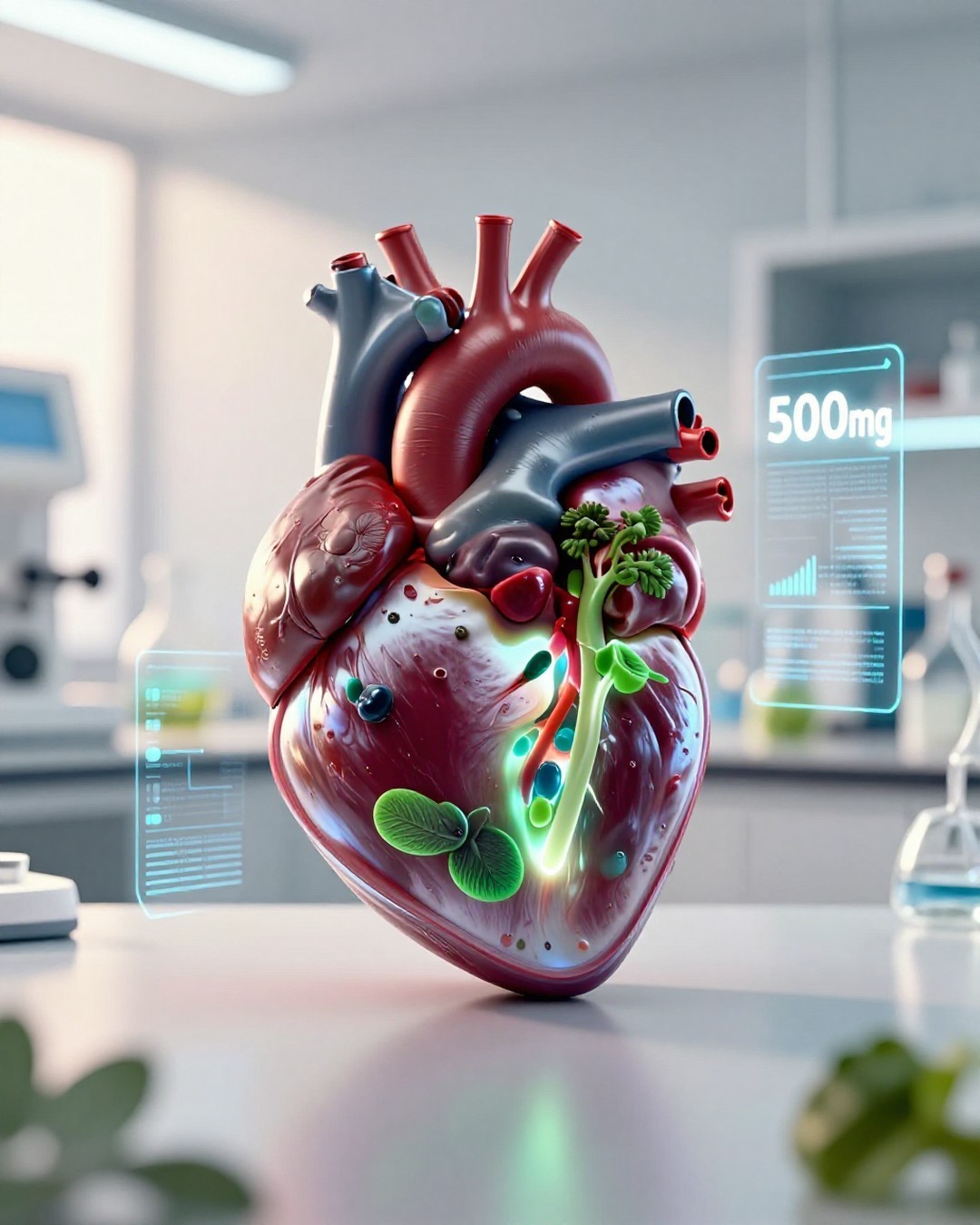
AI 生成的封面圖片

A large-scale international study published in Food and Function on June 16, 2026, reveals that cardiovascular health depends significantly on the specific types of fruits and vegetables consumed, rather than just the total quantity. Researchers from the University of Reading, Harvard Medical School, and other institutions found that most individuals fail to consume sufficient flavanols, which are essential plant compounds linked to reduced heart disease mortality. The authors emphasize that even individuals meeting general dietary guidelines often fall short of the 500 mg daily flavanol intake threshold identified by the COSMOS study as necessary for meaningful heart protection. The research highlights a critical gap between current public health advice and the specific nutritional requirements needed to optimize cardiovascular outcomes. By analyzing biomarker data from over 30,000 participants in the UK and US, the study demonstrates that fewer than one in five people achieve optimal flavanol levels. The findings suggest that dietary guidance should evolve from a simple focus on volume to a more nuanced approach that prioritizes high-flavanol food sources. To improve heart health, individuals are encouraged to incorporate specific high-flavanol foods into their daily meals, such as blackberries, plums, apples with skin, and green tea. This shift toward targeted nutritional choices offers a practical, evidence-based strategy for reducing the risk of cardiovascular disease.

關鍵點

01

🔹 The Flavanol Intake Gap

【📌 Key Finding】Most people fail to meet the 500 mg daily flavanol intake threshold required for significant cardiovascular protection. 【⭐ Data Support】Analysis of over 30,000 participants in the UK and US shows that fewer than 20% of individuals consume enough flavanols to reach levels associated with reduced heart disease mortality, even when they adhere to standard 'five-a-day' fruit and vegetable recommendations.

02

🔸 Quality Over Quantity

【📌 Core Concept】The study argues that the specific choice of produce is as critical as the total volume consumed. 【🔸 Impact Factors】While general dietary guidelines emphasize quantity, they often overlook the varying concentrations of bioactive compounds like flavanols. Consuming specific high-flavanol foods is necessary to achieve the physiological benefits required for heart health.

03

⭐ Top Flavanol-Rich Food Sources

【📌 Data Analysis】The study identifies specific foods with high flavanol content per serving: Plums (450 mg/500g), Cranberries (300 mg/250g), Blackberries (250 mg/200g), Green tea (200 mg/250ml), Broad beans (140 mg/80g), Cherries (130 mg/400g), Apples with skin (110 mg/200g), Strawberries (90 mg/200g), Blueberries (80 mg/150g), and Pinto beans (70 mg/40g).

04

📊 Research Methodology and Context

【📌 Study Framework】Published on June 16, 2026, in Food and Function, the research utilized objective biomarker data rather than relying solely on self-reported food questionnaires. 【🔗 Causal Relationship】The study builds upon the COSMOS clinical trial, which established the 500 mg daily intake benchmark, to demonstrate that current public dietary habits are insufficient to meet this protective standard.

05

💡 Future of Dietary Guidance

【📌 Strategic Implication】Professor Gunter Kuhnle and Dr. Javier Ottaviani suggest that public health messaging must evolve. 【🎯 Actionable Advice】Future dietary guidance should move toward specific recommendations that account for the unique nutritional profiles of different fruits and vegetables, helping consumers make more effective choices to protect their cardiovascular systems.

想要創建自己的心智圖?

登入Neumap AI,開始創建專屬於你的心智圖!

立即開始