Coffee Consumption and Liver Health Outcomes (July 2026)

Health LiverDisease CoffeeResearch CedarsSinai ClinicalStudy

摘要

心智圖封面圖片
AI 生成的封面圖片

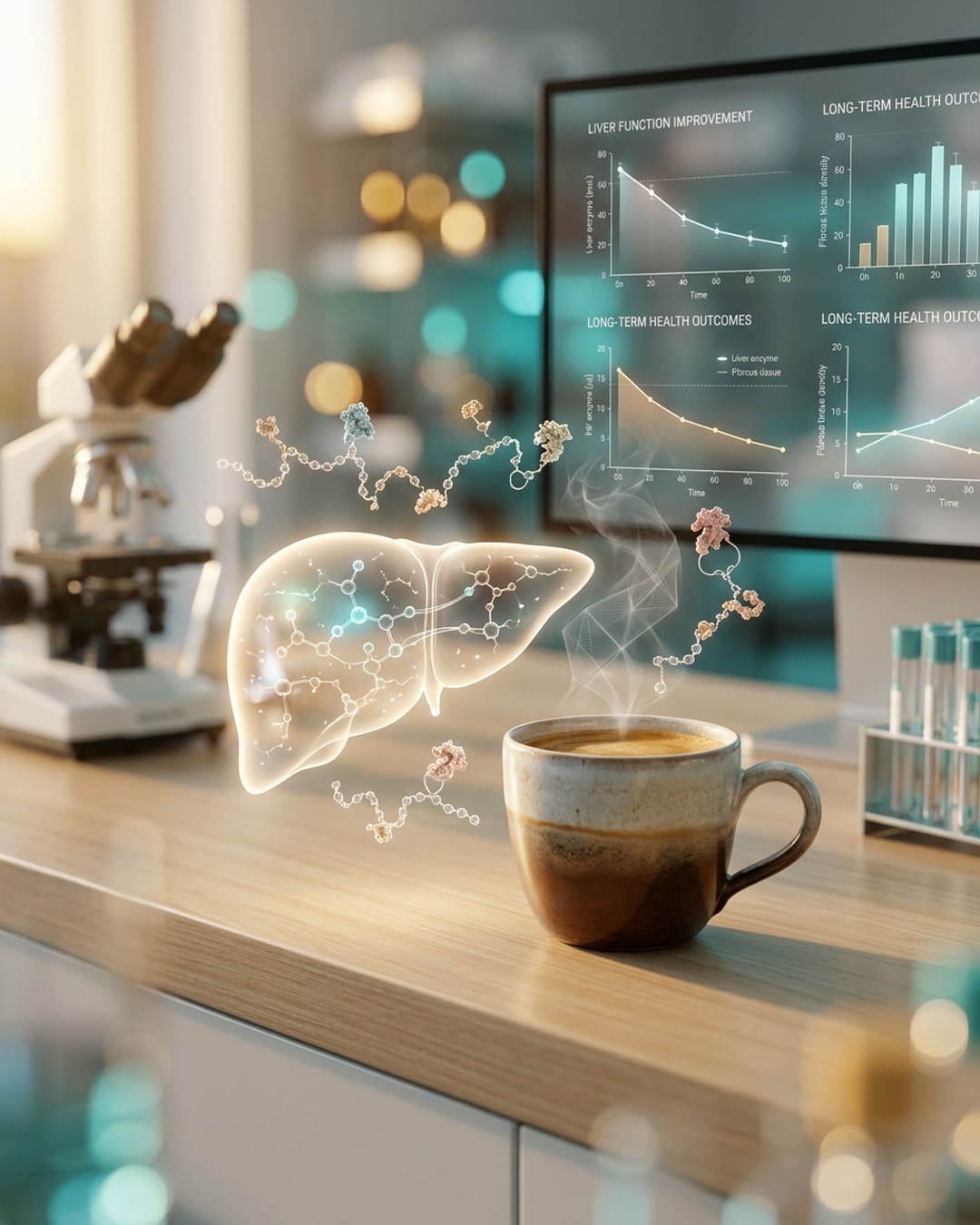
A study published on July 1, 2026, in Clinical Gastroenterology and Hepatology by Cedars-Sinai researchers reveals that coffee consumption is significantly associated with a reduced risk of cirrhosis, liver cancer, and liver-related mortality. Analyzing data from 354,957 UK Biobank participants over a median of 13 years, the research utilized MRI scans and blood protein analysis to establish a biological link between coffee intake and improved liver health markers. The authors emphasize that while the findings are promising, they are observational and do not establish direct causation. The protective effects were observed in both caffeinated and decaffeinated coffee, suggesting that non-caffeine compounds play a crucial role in mitigating liver inflammation and scarring. The study highlights that moderate consumption, particularly three to four cups daily, provides the most significant health associations. The research provides molecular evidence by identifying specific blood proteins associated with healthy liver function that are elevated in coffee drinkers. These findings offer a strategic foundation for future clinical research aimed at isolating the specific bioactive compounds responsible for liver protection and understanding the underlying metabolic pathways involved in liver disease prevention. For practical application, the researchers advise that coffee should not replace established healthy habits such as maintaining a healthy weight, regular exercise, and limiting alcohol. Individuals with specific medical conditions, such as uncontrolled hypertension or heart rhythm disorders, should consult healthcare providers before increasing their coffee intake, as caffeine may pose risks for certain populations.

關鍵點

01

🔹 Study Scope and Methodology

The study analyzed 354,957 adults from the UK Biobank over a median follow-up period of 13 years. Researchers tracked new cases of cirrhosis, liver cancer, and liver-related death, integrating health records with liver MRI scans and blood protein analyses to identify biological mechanisms.

02

🔸 Quantitative Health Outcomes

Compared to non-coffee drinkers, those consuming five or more cups daily showed a 32% lower risk of cirrhosis, a 47% lower risk of liver cancer, and a 42% lower risk of liver-related death. Benefits were observed even at lower intake levels, with the strongest associations appearing at three to four cups per day.

03

⭐ Biological and Molecular Evidence

MRI imaging revealed that higher coffee intake correlates with lower levels of liver fat, iron, fibrosis, and inflammation. Blood protein analysis showed that coffee drinkers possess higher levels of proteins linked to healthy liver function and lower levels of proteins associated with scarring and inflammation.

04

📊 Caffeine vs. Non-Caffeine Compounds

The study found similar protective results for both caffeinated and decaffeinated coffee. This indicates that caffeine is likely not the sole protective agent, pointing toward other naturally occurring compounds in coffee that influence pathways related to liver metabolism and inflammation.

05

💡 Clinical Recommendations and Limitations

The researchers caution that this is an observational study and not a prescription for increased intake. They emphasize that liver health should primarily be managed through weight control, exercise, and alcohol limitation. Individuals with heart conditions, insomnia, or severe anxiety should consult a doctor before increasing coffee consumption.

想要創建自己的心智圖?

登入Neumap AI,開始創建專屬於你的心智圖!

立即開始