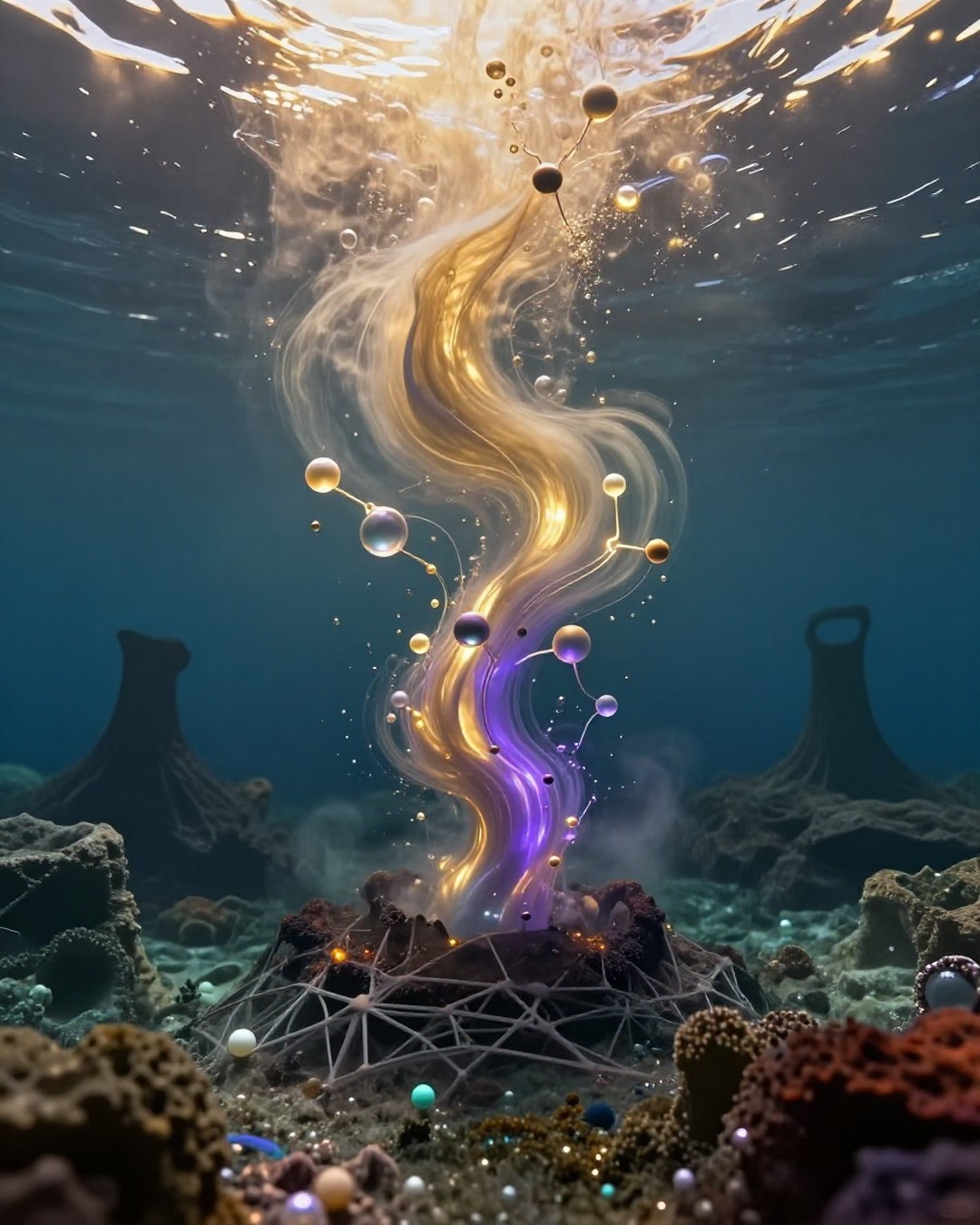
Coacervates, also known as biomolecular condensates, are liquid-like droplets found within cells that perform essential biological functions. Discovered in 2009, these structures are now recognized as critical components of cellular organization, with malfunctions linked to diseases such as Alzheimer's and heart tissue deterioration during transplants. Recent research suggests these droplets may be the missing link in understanding the origins of life, acting as primitive, self-assembling compartments that facilitated early chemical reactions.
The author highlights a significant shift in scientific perspective, moving from viewing coacervates as historical curiosities to recognizing them as active participants in life's emergence. By providing a concentrated internal environment, these droplets allowed simple prebiotic molecules to interact, accelerate metabolic reactions, and potentially store genetic information, effectively bridging the gap between non-living chemical soups and complex biological organisms.
The essence of this discovery lies in the structural simplicity and spontaneous formation of coacervates. Unlike complex lipid-membrane cells, coacervates form through liquid-liquid phase separation, a process that requires minimal energy and simple building blocks. This makes them highly plausible candidates for the first 'protocells' on early Earth, capable of growth, division, and chemical complexity without the need for sophisticated genetic machinery.
For researchers and students, this field offers a unified framework to study the origins of life, integrating metabolism, compartmentalization, and genetics. Practical applications include developing synthetic cells for drug delivery, understanding neurodegenerative disease mechanisms, and refining organ preservation techniques by controlling condensate formation.